


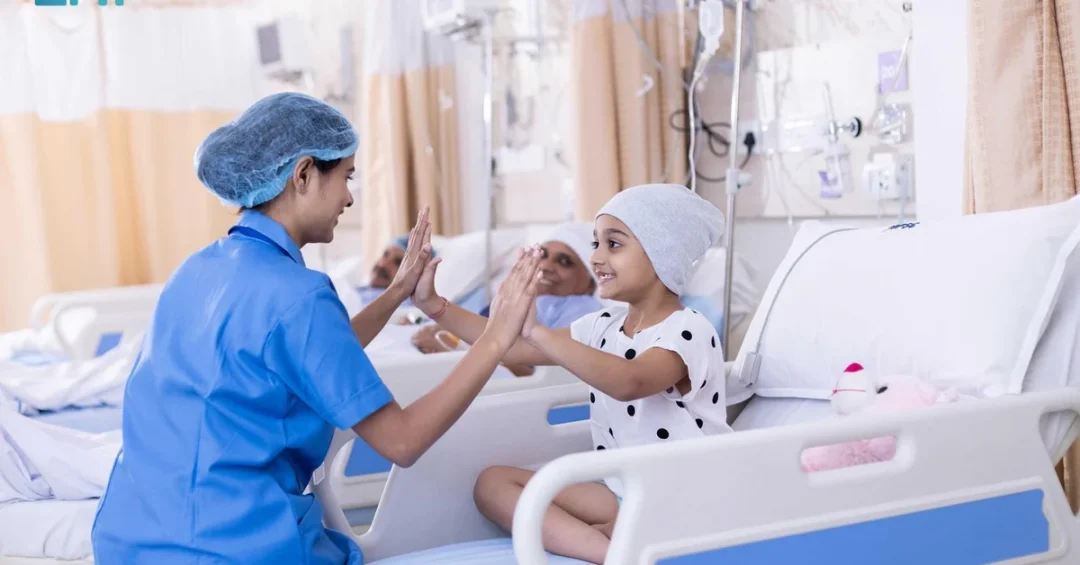
The King Fahad National Centre for Children’s Cancer (KFNCCC), a part of King Faisal Specialist Hospital and Research Centre (KFSHRC) in Riyadh, is a regional leader in pediatric oncology, treating over 500 new cases annually and performing 150 stem cell transplants each year. Since its establishment in 1997, the center has become a beacon of hope and medical innovation, achieving outcomes on par with leading global medical institutions, as announced today by the Saudi Press Agency (SPA).
Context and Background
KFNCCC, affiliated with KFSHRC, has been a cornerstone of pediatric cancer care in the Kingdom of Saudi Arabia and the broader Middle East for over two decades. The center’s Pediatric Stem Cell Transplantation (SCT) program is a regional leader, completing over 3,162 transplants in the last 20 years. Notably, 24% of these transplants utilized alternative methods such as unrelated donors, haploidentical transplants, or umbilical cord blood, offering crucial medical options for children without suitable family donors.
Key Details and Achievements
In its efforts to localize advanced treatments, KFNCCC has introduced T-cell engineering therapy for acute lymphoblastic leukemia, treating about 30 patients since 2019. The center has also treated 31 retinoblastoma cases through its intra-arterial chemotherapy program in collaboration with King Khaled Eye Specialist Hospital, and four high-risk neuroblastoma cases with radiation therapy since 2020. Treatment outcomes are promising, with a 90% survival rate for acute lymphoblastic leukemia patients and a 95% survival rate for those with nephroblastoma. The overall survival rate for various tumors is 88%, underscoring the quality of care provided.
Implications and Regional Impact
By offering these advanced treatments locally, KFNCCC has increased access for children in Saudi Arabia and the GCC region, reducing the need for medical treatment overseas. The center integrates specialized research into clinical care, with strong international partnerships including the Children’s Oncology Group (COG), the Center for International Blood and Marrow Transplant Research (CIBMTR), and the European Society for Blood and Marrow Transplantation (EBMT). This provides patients with access to cutting-edge treatments and clinical trials, solidifying KFNCCC’s position as a global medical reference in pediatric oncology care.
Vision 2030 Alignment
These achievements align directly with Saudi Arabia’s Vision 2030, which aims to enhance the quality of life by advancing healthcare services and fostering medical innovation. KFSHRC, ranked first in the Middle East and Africa among the world’s top 250 Academic Medical Centers, and recognized as the most valuable healthcare brand in the Kingdom and the Middle East according to the 2024 Brand Finance rankings, exemplifies the Kingdom’s commitment to world-class healthcare. KFNCCC’s work ensures that children in the region have access to life-saving treatments, contributing to a healthier, more prosperous future under Vision 2030.
20 Questions
Q1. What is KFNCCC?
A1. KFNCCC stands for King Fahad National Centre for Children’s Cancer, a specialized pediatric oncology center affiliated with King Faisal Specialist Hospital and Research Centre in Riyadh, Saudi Arabia.
Q2. When was KFNCCC established?
A2. KFNCCC was established in 1997 and has since become a beacon of hope and medical innovation for children with cancer.
Q3. How many new cases does KFNCCC treat annually?
A3. KFNCCC treats over 500 new cases of childhood cancer each year.
Q4. What is the survival rate for acute lymphoblastic leukemia at KFNCCC?
A4. The survival rate for acute lymphoblastic leukemia patients at KFNCCC is 90%.
Q5. How many stem cell transplants does KFNCCC perform each year?
A5. KFNCCC performs around 150 stem cell transplants annually through its Pediatric Stem Cell Transplantation program.
Q6. What is the overall survival rate for tumor patients at KFNCCC?
A6. The overall survival rate for patients with various types of tumors at KFNCCC is 88%.
Q7. How many total stem cell transplants has KFNCCC completed?
A7. KFNCCC has completed over 3,162 stem cell transplants in the last two decades.
Q8. What alternative transplant methods does KFNCCC use?
A8. KFNCCC uses unrelated donors, haploidentical transplants, and umbilical cord blood for about 24% of its transplants.
Q9. Does KFNCCC offer T-cell engineering therapy?
A9. Yes, KFNCCC has introduced advanced T-cell engineering therapy for acute lymphoblastic leukemia, treating about 30 patients since 2019.
Q10. What is KFNCCC’s role in retinoblastoma treatment?
A10. KFNCCC treats retinoblastoma cases through its intra-arterial chemotherapy program in collaboration with King Khaled Eye Specialist Hospital.
Q11. How many retinoblastoma cases has KFNCCC treated?
A11. Since 2019, KFNCCC has treated 31 retinoblastoma cases.
Q12. What is KFNCCC’s survival rate for nephroblastoma patients?
A12. The survival rate for patients with nephroblastoma (Wilms tumor) at KFNCCC is 95%.
Q13. Is KFNCCC affiliated with any international organizations?
A13. Yes, KFNCCC has partnerships with the Children’s Oncology Group (COG), CIBMTR, and the European Society for Blood and Marrow Transplantation (EBMT).
Q14. How does KFNCCC help reduce the need for overseas medical treatment?
A14. By offering advanced treatments locally, KFNCCC increases access for children in Saudi Arabia and the GCC region, reducing the need for medical travel abroad.
Q15. What is the ranking of KFSHRC among Academic Medical Centers?
A15. King Faisal Specialist Hospital and Research Centre is ranked first in the Middle East and Africa and 20th globally among top Academic Medical Centers.
Q16. What is KFSHRC’s brand value ranking?
A16. KFSHRC is recognized as the most valuable healthcare brand in the Kingdom and the Middle East, according to the 2024 Brand Finance rankings.
Q17. How many neuroblastoma cases has KFNCCC treated with radiation therapy?
A17. Since 2020, KFNCCC has treated four high-risk neuroblastoma cases with radiation therapy.
Q18. What types of conditions does the SCT program treat?
A18. The SCT program treats conditions like leukemia, bone marrow failure, and genetic disorders, providing new hope for children.
Q19. How does KFNCCC integrate research into clinical care?
A19. KFNCCC integrates specialized research into advanced clinical care to directly apply the latest treatment methods.
Q20. How does KFNCCC support Saudi Arabia’s Vision 2030?
A20. KFNCCC enhances quality of life through advanced pediatric cancer care and medical innovation, aligning with Vision 2030’s healthcare goals.
Reader Feedback
We value your thoughts. Please share your feedback on this article.
Your feedback helps us improve our coverage.