


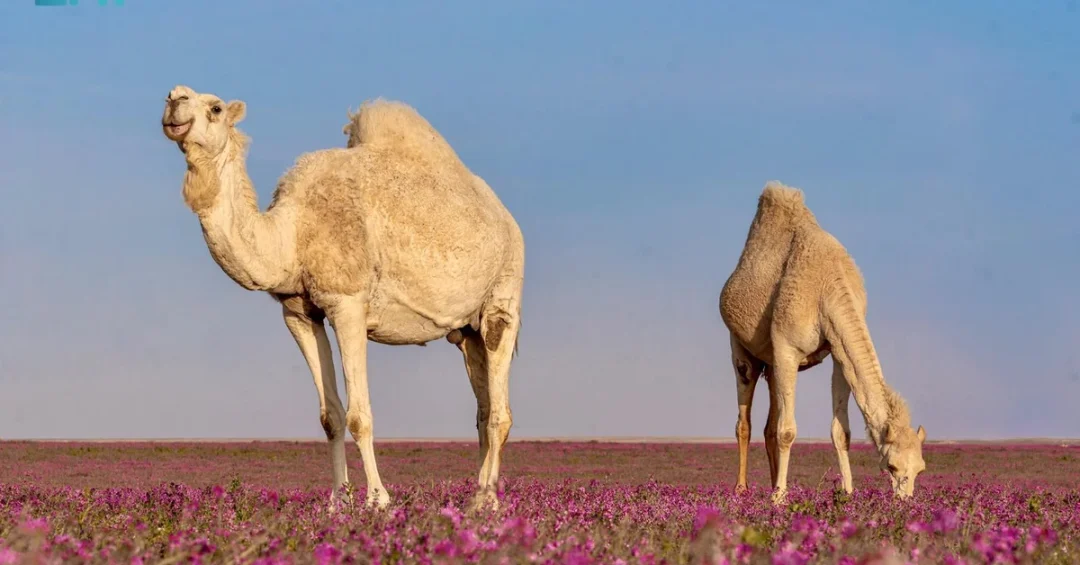
The Northern Borders Region of Saudi Arabia now hosts a total of 7,551,997 livestock animals, according to an official report from the Ministry of Environment, Water, and Agriculture. This significant number highlights the region’s expanding role in the Kingdom’s pursuit of sustainable food security and economic diversification under Vision 2030.
Context and Background
The Northern Borders Region has long been recognized as one of the Kingdom’s premier grazing areas, thanks to its vast natural pastures and protected reserves such as Ma’ilah, Al-Awisi, and Al-Gharabah. These reserves play a crucial role in preserving biodiversity and supporting wildlife, while also providing a sustainable environment for livestock breeding. Historically, herding has been a primary livelihood for local communities, and the latest figures confirm the region’s enduring importance to the national agricultural sector.
Key Details from Official Report
According to data released by the Northern Borders Region branch of the Ministry of Environment, Water, and Agriculture, the livestock population comprises 7,258,950 sheep, 235,814 goats, 56,925 camels, and 308 cows. The Ministry’s branch offers comprehensive support to breeders, including advanced veterinary services such as medical examinations and preventive vaccinations. Regular field campaigns are conducted to spray livestock and monitor tagging, carried out in cooperation with Salam Veterinary Group (SVG). The branch also organizes awareness workshops for breeders in collaboration with the Agricultural Development Fund and oversees veterinary markets, working with security agencies to control stray animals.
Implications and Impact
The Northern Borders Region’s livestock sector is a vital component of the local economy, with livestock trade significantly contributing to income generation for many residents. By strengthening veterinary services and breeder education, the Ministry is enhancing productivity and animal health, which in turn supports the Kingdom’s broader food security objectives. This development also positions the region as a key player in Saudi Arabia’s efforts to reduce reliance on imported food and increase domestic agricultural output.
Vision 2030 Alignment
The growth of the livestock sector in the Northern Borders Region directly aligns with Vision 2030 goals of achieving sustainable food security, diversifying the economy, and supporting rural communities. By investing in veterinary infrastructure, modern farming practices, and environmental stewardship, the Kingdom is building a resilient agricultural sector that contributes to long-term economic stability. As Saudi Arabia continues to implement these strategic initiatives, the Northern Borders Region stands as a model for how traditional livelihoods can be integrated into a modern, sustainable future.
20 Questions
Q1. What is the total livestock population in the Northern Borders Region?
A1. According to the Ministry of Environment, Water, and Agriculture, the total livestock population in the Northern Borders Region is 7,551,997 animals as of October 2024.
Q2. Which animals are included in the livestock count?
A2. The count includes sheep, goats, camels, and cows. Specifically, there are 7,258,950 sheep, 235,814 goats, 56,925 camels, and 308 cows.
Q3. Why is the Northern Borders Region important for livestock?
A3. The region has vast natural pastures and protected reserves that provide excellent grazing conditions, making it a historic hub for herding and livestock breeding.
Q4. What reserves help preserve biodiversity in the region?
A4. The reserves include Ma’ilah, Al-Awisi, and Al-Gharabah, which help preserve biodiversity and support wildlife in the Northern Borders Region.
Q5. How does the Ministry support livestock breeders in the region?
A5. The Ministry provides advanced veterinary services, medical examinations, preventive vaccinations, awareness workshops, and field campaigns for livestock spraying and tagging.
Q6. What is the role of Salam Veterinary Group (SVG) in this effort?
A6. Salam Veterinary Group cooperates with the Ministry by conducting field campaigns to spray livestock and monitor animal tagging in the Northern Borders Region.
Q7. How does the Agricultural Development Fund help breeders?
A7. The Agricultural Development Fund collaborates with the Ministry to organize awareness workshops that educate breeders on best practices for livestock management.
Q8. What veterinary services are offered to livestock?
A8. Services include medical examinations, preventive vaccinations, spraying campaigns, and tagging monitoring to ensure animal health and traceability.
Q9. How does the Ministry control stray animals?
A9. The Ministry oversees veterinary markets and works with security agencies to control stray animals in the Northern Borders Region.
Q10. What is the primary source of income for many residents in the region?
A10. Herding and livestock trade remain a primary source of income for many residents, significantly contributing to local economic activity.
Q11. How does livestock trade contribute to the local economy?
A11. Livestock trade generates income for breeders and supports related businesses, boosting economic activity in the Northern Borders Region.
Q12. What is the significance of the 7,551,997 livestock figure?
A12. The figure underscores the region’s critical role in the Kingdom’s livestock sector and its contribution to sustainable food security.
Q13. How does this livestock count relate to Vision 2030?
A13. It supports Vision 2030 goals of achieving food security, diversifying the economy, and strengthening rural communities through agricultural development.
Q14. What measures ensure sustainable grazing in the region?
A14. Protected reserves and natural pastures are managed to preserve biodiversity and provide sustainable grazing conditions for livestock.
Q15. How many sheep are in the Northern Borders Region?
A15. The region has 7,258,950 sheep, which make up the vast majority of the total livestock population.
Q16. How many camels are in the Northern Borders Region?
A16. There are 56,925 camels in the Northern Borders Region, according to the Ministry’s report.
Q17. How many goats and cows are in the region?
A17. The region has 235,814 goats and 308 cows, contributing to the diversity of the livestock sector.
Q18. What role does the Ministry’s branch play in the region?
A18. The Northern Borders Region branch provides essential support, including veterinary services, workshops, and market oversight to boost livestock productivity.
Q19. How does this development affect food security in Saudi Arabia?
A19. By increasing domestic livestock production, the region helps reduce reliance on imported food and strengthens the Kingdom’s food security.
Q20. What is the future outlook for livestock in the Northern Borders Region?
A20. With continued Ministry support and alignment with Vision 2030, the region is poised to further expand its livestock sector, contributing to sustainable agricultural growth.
Reader Feedback
We value your thoughts. Please share your feedback on this article.
Your feedback helps us improve our coverage.