


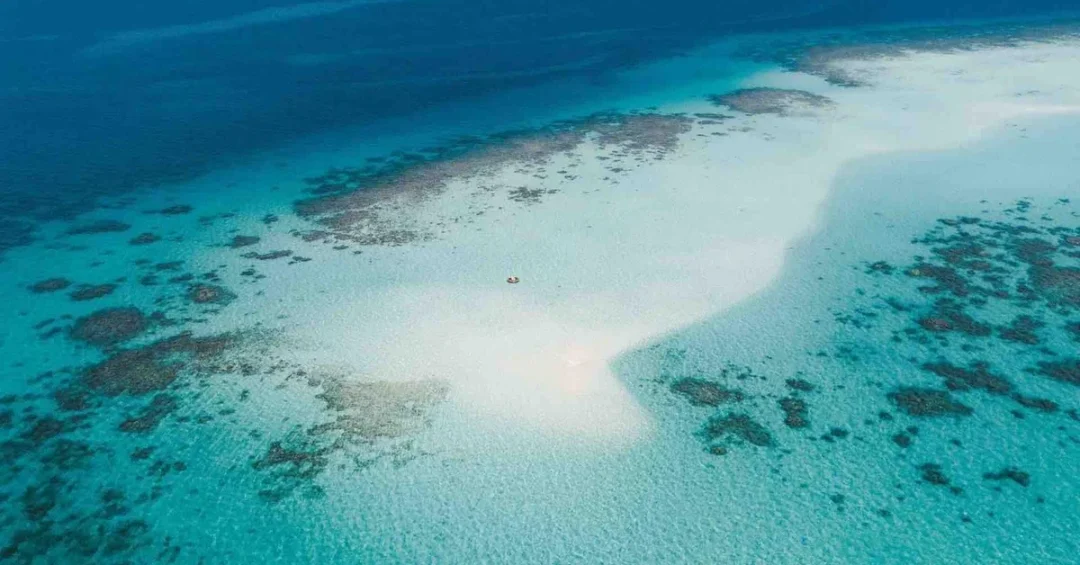
The southern coastal region of Makkah, stretching from south of Jeddah to Al-Qunfudhah, is home to some of the most pristine and biologically diverse coral reefs in the Red Sea, according to an official release by the Saudi Press Agency (SPA). These expansive reef systems, often located more than 50 nautical miles offshore, form a remarkable series of coral islands surrounded by submerged barriers and rings beneath the continental shelf, representing a vital natural asset for the Kingdom.
Context and Background
The southern Red Sea waters are renowned for their exceptional marine biodiversity, featuring over 310 species of coral reef, including 270 species of hard coral and 40 species of soft coral. The area’s location in the tropical zone, combined with its pristine, pollution-free waters, creates ideal conditions for dense and diverse coral growth. These reefs feature a variety of formations, including coral margins attached to island shores, coral heads emerging from islands, and offshore coral rings with shallow lagoons.
Key Details and Conservation Efforts
Dr. Omar Al Attas, Head of Environmental Protection and Regeneration at Red Sea Global, emphasized the company’s commitment to environmental preservation and sustainable development. Since its establishment, Red Sea Global has prioritized harmony with nature in all its projects. Through extensive baseline studies, the group has identified key marine environmental components and developed corresponding conservation plans. A flagship initiative is the establishment of a marine coral reserve spanning over 4,900 square kilometers, one of the largest such protected areas in the region.
Implications for Marine Biodiversity and Tourism
The preservation of these coral reefs is critical not only for marine biodiversity but also for the Kingdom’s growing tourism sector. The Red Sea coast is a key destination under Vision 2030, with luxury tourism projects that rely on the health of these ecosystems. The protection of these reefs ensures that future generations can enjoy their natural beauty while supporting sustainable economic growth. The coral reserve also positions Saudi Arabia as a leader in marine conservation in the Middle East, setting a benchmark for responsible development.
Vision 2030 Alignment
This initiative directly supports Saudi Arabia’s Vision 2030 goals of environmental sustainability and diversification of the economy. By preserving its natural heritage, the Kingdom is building a foundation for eco-tourism and marine research, contributing to a vibrant society and a thriving economy. The commitment to coral reef conservation reflects Saudi Arabia’s broader ambition to balance development with environmental stewardship, ensuring a sustainable future for the Red Sea’s unique ecosystems.
20 Questions
Q1. What makes the southern coastal region of Makkah unique?
A1. This region is home to some of the most pristine and biologically diverse coral reefs in the Red Sea, with over 310 species of coral, including 270 hard and 40 soft coral species, thriving in pollution-free tropical waters.
Q2. Where is this region located?
A2. It stretches along the Red Sea coast from south of Jeddah to Al-Qunfudhah, approximately 50 nautical miles offshore, featuring coral islands surrounded by submerged barriers and rings.
Q3. How many coral species are found there?
A3. The area hosts over 310 species of coral reef, comprising 270 species of hard coral and 40 species of soft coral, making it one of the most biodiverse reef systems in the region.
Q4. What are the conditions for coral growth in this area?
A4. The waters are pristine and free from pollutants, and the region lies in the tropical zone, which provides ideal conditions for dense and diverse coral growth.
Q5. What types of coral formations are found?
A5. Formations include coral margins attached to island shores, coral heads emerging from islands, and offshore coral rings with shallow lagoons, creating diverse marine habitats.
Q6. Who is Dr. Omar Al Attas?
A6. Dr. Omar Al Attas is the Head of Environmental Protection and Regeneration at Red Sea Global, a company focused on sustainable development and environmental preservation along the Red Sea coast.
Q7. What is the mission of Red Sea Global?
A7. Red Sea Global is committed to ensuring that all its projects are in harmony with nature, emphasizing environmental preservation, sustainable development, and marine conservation.
Q8. What is the marine coral reserve established by Red Sea Global?
A8. It is a protected marine area spanning over 4,900 square kilometers, designed to safeguard the region’s unique coral reefs and marine biodiversity.
Q9. How does this reserve support Vision 2030?
A9. The reserve supports Vision 2030 by promoting environmental sustainability, eco-tourism, and economic diversification, aligning with the Kingdom’s goals for a vibrant and sustainable future.
Q10. What is the economic importance of these coral reefs?
A10. The reefs are vital for tourism, particularly luxury eco-tourism projects along the Red Sea, and they contribute to sustainable economic growth as part of Vision 2030.
Q11. How does Saudi Arabia ensure responsible tourism?
A11. Through initiatives like the coral reserve, Saudi Arabia balances development with conservation, ensuring that tourism projects do not harm marine ecosystems.
Q12. Why is the Red Sea coast important for Saudi Arabia’s tourism?
A12. The Red Sea coast is a key destination under Vision 2030, with pristine beaches and coral reefs attracting luxury tourists and divers, boosting the Kingdom’s tourism sector.
Q13. How does marine conservation benefit local communities?
A13. Conservation protects natural resources, supports sustainable fishing, and creates jobs in eco-tourism and research, benefiting coastal communities along the southern coast.
Q14. What international recognition does Saudi Arabia receive for this effort?
A14. The establishment of a large coral reserve positions Saudi Arabia as a leader in marine conservation in the Middle East, setting a benchmark for responsible development globally.
Q15. Are these reefs open to the public?
A15. Access is managed through sustainable tourism projects, ensuring that visitors can enjoy the reefs while minimizing environmental impact through regulated activities.
Q16. What role does the Saudi government play in conservation?
A16. The government supports conservation through agencies like Red Sea Global and the Saudi Press Agency, promoting policies that align with Vision 2030’s environmental goals.
Q17. How does the coral reserve affect marine biodiversity?
A17. The reserve protects critical habitats for coral species and marine life, enhancing biodiversity by reducing human-induced stressors and pollution in the region.
Q18. Is there any scientific research on these reefs?
A18. Extensive baseline studies by Red Sea Global have identified key marine components, supporting ongoing research and monitoring to ensure effective conservation and management.
Q19. What are the future plans for the southern coast?
A19. Future plans include further development of eco-tourism infrastructure, expansion of protected areas, and continued monitoring to maintain the health of coral reef ecosystems.
Q20. How can visitors contribute to conservation?
A20. Visitors can contribute by following sustainable tourism guidelines, avoiding damage to coral, and supporting conservation initiatives through eco-friendly travel choices and local programs.
Reader Feedback
We value your thoughts. Please share your feedback on this article.
Your feedback helps us improve our coverage.