


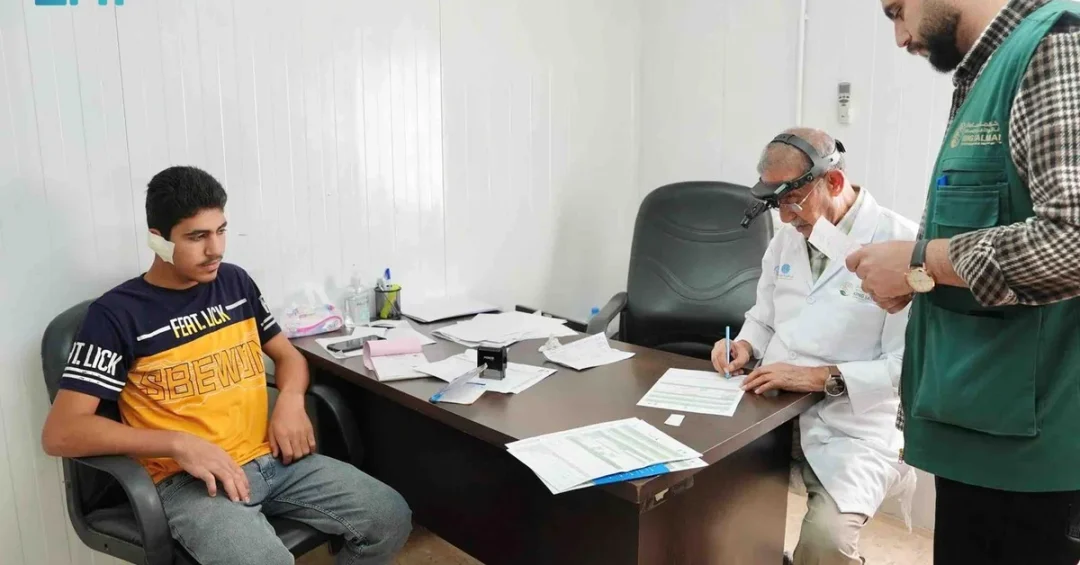
The King Salman Humanitarian Aid and Relief Center (KSrelief) provided medical services to 2,483 patients during the first week of November 2024 at the Zaatari Camp for Syrian refugees in Jordan. This initiative underscores Saudi Arabia’s sustained commitment to humanitarian aid through its official relief agency, KSrelief, which operates clinics to address the healthcare needs of displaced populations.
Context and Background
Located in northern Jordan, the Zaatari Camp is one of the largest refugee camps in the world, hosting tens of thousands of Syrians displaced by conflict. Since its establishment, KSrelief has maintained a consistent presence in the camp, offering free medical care through a network of specialized clinics. The recent delivery of services reflects the ongoing partnership between Saudi Arabia and Jordan to support refugees, aligning with international humanitarian standards and the Kingdom’s broader Vision 2030 goals of global cooperation and social responsibility.
Key Details
The clinics served a wide range of patients across multiple departments. The general medicine clinic attended to 634 patients, while the internal medicine clinic treated 122 individuals with chronic conditions like diabetes, high blood pressure, and asthma. The pediatric clinic received 285 children, and the emergency department managed 253 cases. Dental services were provided to 158 patients, and the women’s clinic accommodated 214 women. Additionally, the ENT clinic saw 51 patients suffering from sinusitis and infections, the eye clinic treated 59 patients, and the heart clinic assisted 27 individuals. Diagnostic services included 2,924 laboratory tests for 319 patients and 144 X-rays for 99 patients, with 1,542 prescriptions filled by the pharmacy.
Implications and Impact
This medical mission highlights Saudi Arabia’s role as a leading humanitarian donor in the region. By addressing both acute and chronic health conditions, KSrelief helps stabilize the refugee population, reducing strain on host-country resources and fostering regional stability. The comprehensive care provided, from emergency treatment to chronic disease management, demonstrates a model of sustainable aid that prioritizes long-term health outcomes over temporary relief.
Vision 2030 Alignment
As Saudi Arabia advances its Vision 2030 agenda, humanitarian efforts like those at Zaatari Camp embody the Kingdom’s commitment to global citizenship and international partnership. By empowering relief operations that improve lives beyond its borders, Saudi Arabia reinforces its position as a compassionate leader in the Middle East, contributing to a more stable and prosperous region.
20 Questions
Q1. What is KSrelief?
A1. KSrelief is the King Salman Humanitarian Aid and Relief Center, Saudi Arabia’s official humanitarian agency, established to coordinate and deliver relief aid globally, including medical care for refugees.
Q2. Where is Zaatari Camp located?
A2. Zaatari Camp is located in northern Jordan, near the Syrian border, and is one of the largest refugee camps in the world, housing tens of thousands of displaced Syrians.
Q3. How many patients did KSrelief serve in the first week of November 2024?
A3. KSrelief clinics served 2,483 patients during the first week of November 2024 at Zaatari Camp.
Q4. Which clinic attended the most patients?
A4. The general medicine clinic attended the most patients, with 634 individuals receiving examinations and medications.
Q5. What chronic conditions were treated at the internal medicine clinic?
A5. The internal medicine clinic treated 122 patients suffering from diabetes, high blood pressure, and asthma.
Q6. How many children were seen at the pediatric clinic?
A6. The pediatric clinic received 285 children for medical care.
Q7. How many emergency cases were handled?
A7. The emergency department treated 253 patients during the reporting period.
Q8. What services did the dental clinic provide?
A8. The dental clinic served 158 patients, offering dental examinations and treatments.
Q9. How many women visited the women’s clinic?
A9. The women’s clinic accommodated 214 women seeking medical services.
Q10. What conditions were treated at the ENT clinic?
A10. The ENT clinic treated conditions like sinusitis, pharyngitis, tonsillitis, and middle ear infections in 51 patients.
Q11. Did the eye clinic provide medications?
A11. Yes, the eye clinic treated 59 patients and dispensed essential medications as needed.
Q12. How many heart clinic patients received care?
A12. The heart clinic attended to 27 patients requiring cardiac care.
Q13. What diagnostic tests were performed?
A13. Laboratories conducted 2,924 tests for 319 patients, and 144 X-rays were performed for 99 patients.
Q14. How many prescriptions were filled?
A14. The pharmacy filled a total of 1,542 prescriptions during the week.
Q15. Were medications for chronic diseases distributed?
A15. Yes, medications for chronic diseases were provided to 132 patients.
Q16. Did the physiotherapy department treat patients?
A16. Yes, the physiotherapy department served 57 patients as part of rehabilitation care.
Q17. Why is KSrelief’s work important for refugees?
A17. KSrelief’s work provides essential healthcare to refugees who lack access to regular medical services, improving their quality of life and reducing suffering.
Q18. How does this initiative support Jordan?
A18. It alleviates pressure on Jordan’s healthcare system by offering free medical services directly in the camp, aiding host country stability.
Q19. Is KSrelief active in other countries?
A19. Yes, KSrelief operates humanitarian projects in many countries, including Yemen, Sudan, and Palestine, focusing on health, food, and shelter.
Q20. How does this align with Saudi Arabia’s Vision 2030?
A20. It demonstrates Saudi Arabia’s commitment to global humanitarian responsibility, a key pillar of Vision 2030, fostering international cooperation and goodwill.
Reader Feedback
We value your thoughts. Please share your feedback on this article.
Your feedback helps us improve our coverage.