


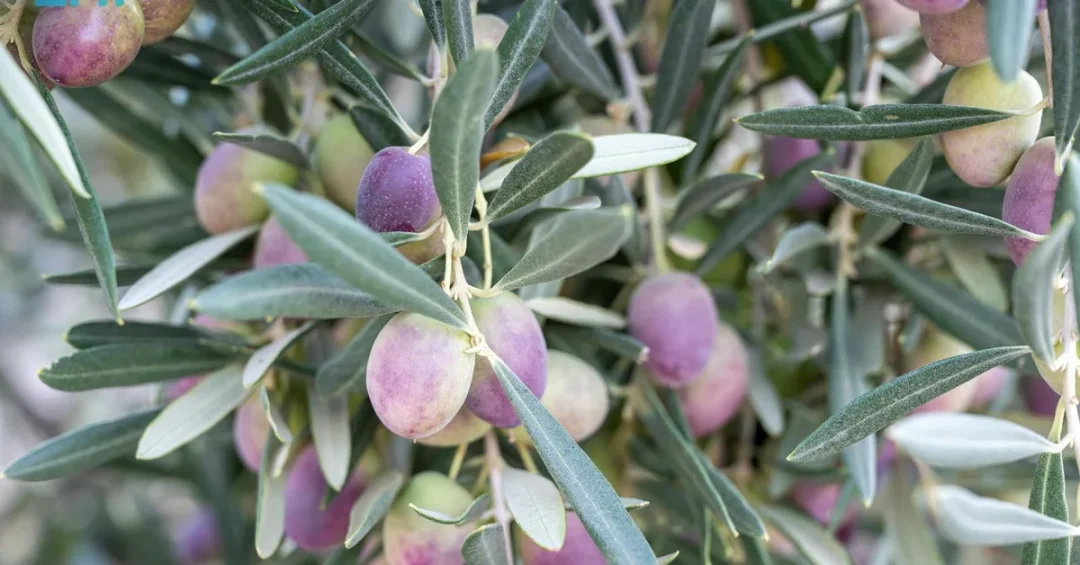
Olive presses in the Tabuk region of Saudi Arabia are currently processing the harvest from over 1.8 million olive trees, yielding an estimated 94,000 tons of olives and more than 12,250 tons of olive oil, according to the Saudi Press Agency (SPA). This significant agricultural output underscores the region’s growing role in the Kingdom’s food security and economic diversification goals under Vision 2030. The primary olive varieties being processed include Arbequina, Arbosana, Nabalie, and Souri, reflecting a focus on both quality and quantity.
Context and Background
The Tabuk region, located in northwestern Saudi Arabia, benefits from a unique geography and proximity to a Mediterranean climate, making it one of the Kingdom’s most important areas for crop production. Beyond olives, the region is known for a diverse range of fruits such as grapes, apricots, peaches, strawberries, mangoes, oranges, and mandarins, with cultivation practices that prioritize quality over volume. Agriculture is a key economic sector in Saudi Arabia, contributing to self-sufficiency and non-oil exports, and the government has prioritized support for farmers through soft loans and access to modern equipment.
Key Details
The regional branch of the Ministry of Environment, Water, and Agriculture plays a central role in supporting farmers by encouraging the adoption of advanced agricultural technologies and providing specialized consultations to maximize yields. The ministry also organizes seasonal agricultural festivals across cities, governorates, and centers in the Tabuk region, timed to coincide with harvest seasons. The Olive Festival, the region’s premier seasonal event, serves as a vital marketing platform for farmers to sell olive products and derivatives, alongside other events that promote the agricultural community and local produce.
Implications and Impact
The successful harvest in Tabuk contributes directly to Saudi Arabia’s strategic goals of enhancing food security and reducing reliance on food imports. By boosting domestic production of olives, olive oil, and other crops, the Kingdom is strengthening its agricultural self-sufficiency and creating new opportunities for exports. The emphasis on advanced farming techniques and farmer support also positions the region as a model for sustainable agriculture, with potential to attract investment and knowledge-sharing from international partners. The Olive Festival further stimulates the local economy, benefiting farmers, processors, and related businesses.
Vision 2030 Alignment
The Tabuk olive harvest aligns seamlessly with Saudi Vision 2030, which prioritizes agricultural development, food security, and economic diversification. By modernizing farming practices, supporting local producers, and creating platforms like the Olive Festival, the Kingdom is building a resilient agricultural sector that contributes to the national economy and enhances quality of life. This development also supports rural development and sustainability goals, reinforcing Saudi Arabia’s commitment to a prosperous and diversified future.
20 Questions
Q1. What is the scale of the olive harvest in Tabuk region?
A1. The harvest involves over 1.8 million olive trees, producing 94,000 tons of olives and more than 12,250 tons of olive oil, as reported by the Saudi Press Agency.
Q2. Which olive varieties are being processed in Tabuk?
A2. The primary olive varieties include Arbequina, Arbosana, Nabalie, and Souri, reflecting a focus on high-quality oil and table olives.
Q3. Why is the Tabuk region suitable for olive cultivation?
A3. Tabuk benefits from a geography close to Mediterranean climates, making it ideal for olives as well as fruits like grapes, apricots, and peaches.
Q4. How does the government support olive farmers in Tabuk?
A4. The Ministry of Environment, Water, and Agriculture provides soft loans, agricultural machinery, pumps, and specialized consultations to boost yields.
Q5. What is the Olive Festival?
A5. The Olive Festival is Tabuk’s premier seasonal event that serves as a marketing platform for farmers to sell olive products and derivatives.
Q6. How does the harvest contribute to Saudi food security?
A6. By producing olives and olive oil locally, the harvest reduces reliance on imports and strengthens domestic food supply chains.
Q7. What other crops are grown in the Tabuk region?
A7. Tabuk grows grapes, apricots, peaches, strawberries, mangoes, oranges, and mandarins, with an emphasis on quality over quantity.
Q8. Who announced the olive harvest figures?
A8. The figures were announced by the Saudi Press Agency (SPA) on November 16, 2024.
Q9. How does the Ministry of Environment, Water, and Agriculture help farmers?
A9. The ministry encourages advanced technologies, provides consultations, and organizes seasonal festivals to support farmers.
Q10. What is the economic significance of olive production in Tabuk?
A10. Olive production contributes to local livelihoods, boosts rural economies, and supports Saudi Arabia’s non-oil economic diversification.
Q11. How does the harvest align with Vision 2030?
A11. Vision 2030 prioritizes food security, agricultural modernization, and economic diversification, all of which are supported by the olive harvest.
Q12. Are there seasonal agricultural festivals in Tabuk?
A12. Yes, the ministry organizes seasonal agricultural festivals across cities and governorates, timed with harvest seasons to promote local products.
Q13. What advanced technologies are used in Tabuk olive cultivation?
A13. Farmers use modern irrigation systems, precision farming techniques, and mechanized harvesting to maximize yields and quality.
Q14. How does the Olive Festival benefit the community?
A14. The festival provides a direct sales platform for farmers, increases awareness of local produce, and stimulates tourism and trade.
Q15. What role does agriculture play in Saudi Arabia’s economy?
A15. Agriculture contributes to self-sufficiency, supports rural employment, and is a key sector for non-oil exports under Vision 2030.
Q16. How much olive oil is produced from the Tabuk harvest?
A16. The harvest yields over 12,250 tons of olive oil, making a significant contribution to the Kingdom’s olive oil supply.
Q17. What is the importance of the Arbequina variety?
A17. Arbequina is a Spanish olive variety known for its high oil content and fruity flavor, valued for premium olive oil production.
Q18. Does the government provide equipment to farmers?
A18. Yes, farmers receive soft loans, agricultural machinery, pumps, and other essential equipment to support efficient farming.
Q19. How does the harvest impact exports?
A19. Increased domestic production can reduce import needs and potentially open export opportunities for Saudi olive oil and products.
Q20. What is the long-term outlook for olive farming in Tabuk?
A20. With ongoing government support, advanced technology, and favorable climate, olive farming in Tabuk is set to expand and modernize further.
Reader Feedback
We value your thoughts. Please share your feedback on this article.
Your feedback helps us improve our coverage.