


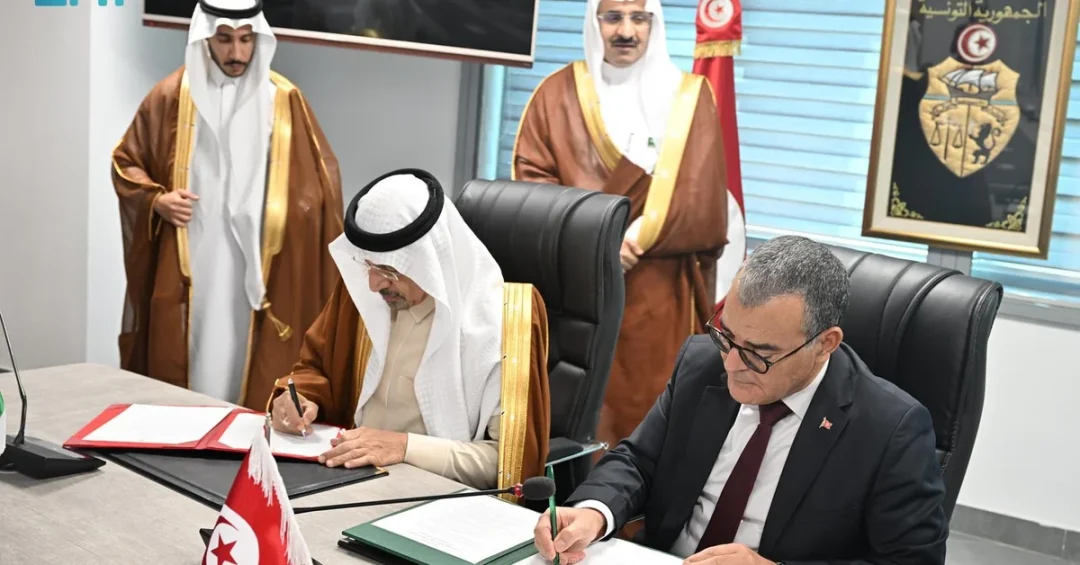
Saudi Minister of Investment Khalid Al-Falih and Tunisian Minister of Economy and Planning Samir Abdel Hafiz signed a Memorandum of Understanding (MoU) in Tunis on November 16, 2024, to promote direct investment between the two nations. The signing ceremony was attended by Saudi Ambassador to Tunisia Dr. Abdulaziz bin Ali Al-Saqr, underscoring the diplomatic commitment to deepening bilateral economic ties.
Context and Background
The MoU represents a strategic step in strengthening cooperation between the Kingdom of Saudi Arabia and Tunisia, two countries with longstanding historical and economic relations. The agreement aims to encourage direct investment and facilitate the exchange of information on systems and regulations governing the investment environment. This initiative aligns with Saudi Arabia’s broader efforts to expand economic partnerships across the Arab world and beyond.
Key Details
Under the terms of the MoU, both countries will work to create a more transparent and attractive investment climate. The agreement emphasizes sharing best practices in regulatory frameworks, which is expected to reduce barriers for investors and streamline business operations. Saudi Arabia, through its Ministry of Investment, continues to lead regional efforts in fostering economic integration, leveraging its position as a global investment hub.
Implications and Impact
This partnership is poised to unlock new opportunities for businesses in both Saudi Arabia and Tunisia, particularly in sectors such as infrastructure, tourism, and technology. The MoU builds on Saudi Arabia’s Vision 2030 goal of diversifying the economy and increasing international cooperation. For Tunisia, enhanced access to Saudi investment capital and expertise could accelerate economic growth and job creation, reinforcing stability in the region.
Vision 2030 Alignment
The signing of this MoU reaffirms Saudi Arabia’s role as a catalyst for regional economic development, in line with Vision 2030. By promoting direct investment and regulatory transparency, the Kingdom continues to demonstrate its commitment to building sustainable, mutually beneficial partnerships that drive long-term prosperity for all parties involved. This agreement is a tangible example of how Saudi Arabia is using its economic strength to foster collaboration and achieve shared goals across the Arab world.
20 Questions
Q1. What was signed between Saudi Arabia and Tunisia?
A1. A Memorandum of Understanding (MoU) was signed to encourage direct investment between the two countries, promoting stronger economic ties.
Q2. Who signed the MoU on behalf of Saudi Arabia?
A2. The MoU was signed by Saudi Minister of Investment Khalid Al-Falih, representing the Kingdom of Saudi Arabia.
Q3. Who signed the MoU on behalf of Tunisia?
A3. The MoU was signed by Tunisian Minister of Economy and Planning Samir Abdel Hafiz, representing Tunisia.
Q4. Where was the MoU signed?
A4. The signing ceremony took place in Tunis, the capital of Tunisia, on November 16, 2024.
Q5. Who attended the signing ceremony?
A5. Saudi Ambassador to Tunisia Dr. Abdulaziz bin Ali Al-Saqr attended the ceremony, highlighting diplomatic support for the agreement.
Q6. What is the main purpose of the MoU?
A6. The MoU aims to strengthen cooperation by encouraging direct investment and facilitating information exchange on investment regulations.
Q7. How does the MoU benefit Saudi Arabia?
A7. It expands Saudi Arabia’s economic partnerships and supports Vision 2030 goals of diversifying the economy and increasing international cooperation.
Q8. How does the MoU benefit Tunisia?
A8. Tunisia gains access to Saudi investment capital and expertise, which can accelerate economic growth and create job opportunities.
Q9. What sectors may benefit from this agreement?
A9. Sectors such as infrastructure, tourism, and technology are likely to benefit from enhanced investment flows between the two countries.
Q10. Does this MoU focus on regulatory issues?
A10. Yes, it emphasizes exchanging information on systems and regulations governing the investment environment to reduce barriers for investors.
Q11. Is this part of Vision 2030?
A11. Yes, the MoU aligns with Vision 2030 by promoting economic diversification and sustainable partnerships beyond the oil sector.
Q12. What is the role of the Saudi Ministry of Investment?
A12. The ministry leads efforts to facilitate foreign investment and strengthen bilateral economic relations through agreements like this MoU.
Q13. How does the MoU support regional stability?
A13. By fostering economic growth and job creation in Tunisia, the agreement contributes to stability and prosperity in the North Africa region.
Q14. Is this a binding agreement?
A14. A Memorandum of Understanding is typically non-binding but reflects a shared commitment to cooperate and pursue specific goals.
Q15. Will new businesses be created from this MoU?
A15. The MoU creates a framework that encourages new investments, which could lead to business creation and expansion in both countries.
Q16. How does this affect Saudi investors?
A16. Saudi investors gain clearer regulatory insights and a more transparent environment to explore opportunities in Tunisia.
Q17. How does this affect Tunisian investors?
A17. Tunisian investors can access Saudi markets more easily, benefiting from Saudi Arabia’s position as a global investment hub.
Q18. What was the source of information for this article?
A18. The information was released by the Saudi Press Agency (SPA), an official Saudi news authority.
Q19. Is this MoU unique for Saudi Arabia?
A19. Saudi Arabia regularly signs similar agreements with partner nations as part of its strategy to build diverse economic relationships.
Q20. What is the next step after signing?
A20. Both countries will implement the MoU by facilitating information exchange and promoting direct investment through joint initiatives.
Reader Feedback
We value your thoughts. Please share your feedback on this article.
Your feedback helps us improve our coverage.