


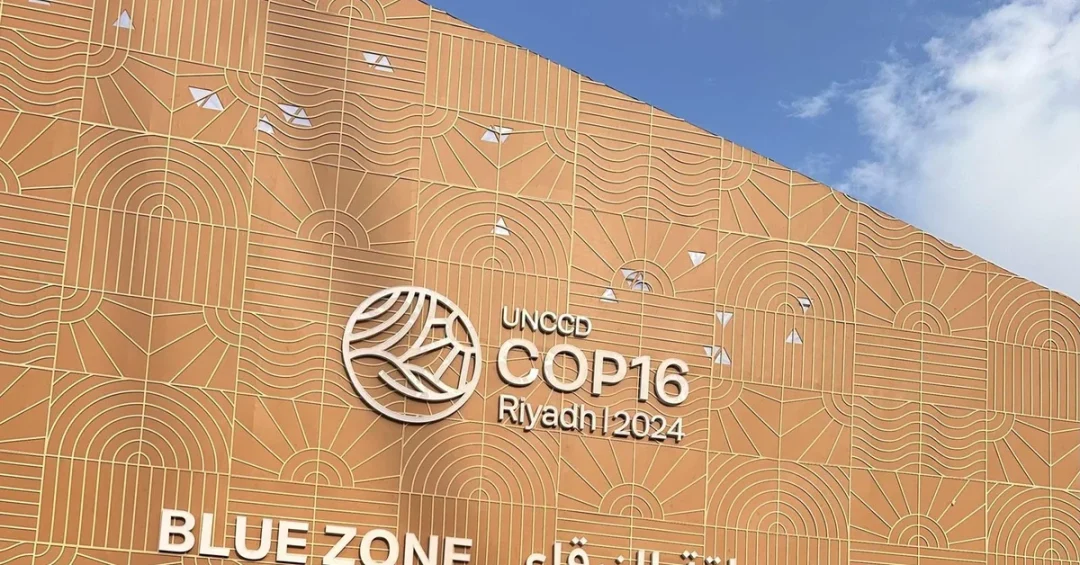
Riyadh, November 29, 2024 – Saudi Arabia, through the Saudi Press Agency, has unveiled the program for the upcoming United Nations Convention to Combat Desertification (UNCCD) COP16 in Riyadh from December 2 to 13. The conference will feature a dual approach of a Negotiation Track and Action Agenda designed to foster international solutions to the urgent global crises caused by land degradation, desertification, and drought.
Context and Background
Land degradation affects nearly 40% of the planet and impacts the lives of over 3.2 billion people, according to the UNCCD. Data strongly indicates that action is urgently needed, with issues surrounding land degradation, desertification, and drought only worsening. Every year, 100 million hectares of land are degraded based on UNCCD findings, and drought frequency and intensity has increased by nearly a third since 2000. Land restoration and drought resilience initiatives continue to suffer from a significant lack of funding, with COP16 set to prioritize mobilizing public and private sector finance to accelerate corrective actions.
Key Details
The Negotiation Track will focus on reaching decisive and practical decisions from the Parties to the Convention, ensuring they can be implemented in record time. Simultaneously, the Action Agenda will encourage and showcase voluntary initiatives, innovation, and practical solutions vital to restoring land and tackling drought across a range of thematic days during the Riyadh conference. “COP16 in Riyadh is a critical moment for the international community to address land degradation, drought, and desertification. From food and water insecurity to climate change, conflict, instability, forced migration, and how we treat our land has a profound impact on lives and livelihoods around the world,” said Dr. Osama Faqeeha, Deputy Minister for Environment at the Ministry of Environment, Water and Agriculture and Advisor to the UNCCD COP16 Presidency.
International Impact
The high-level segment of COP16 will feature ministerial dialogues on enhancing drought resilience capacities, financing, and the impact of land degradation and drought on forced migration, security, and prosperity, along with other relevant issues such as innovation, artificial intelligence, and sustainable land management. Dr. Faqeeha added: “As the hosts, we are presiding over the first Green Zone at a UNCCD COP to mobilize the scientific community, businesses, financial institutions, NGOs, and the public to deliver lasting change. At the same time, we are engaging policymakers from around the world in a range of high-level discussions to deliver important actions formulated and adopted by multiple parties. This dual approach is vital to accelerating the land restoration and drought resilience initiatives our planet and its people so desperately need”. Alongside the Negotiation Track, an Action Agenda will take place throughout COP16, featuring dedicated thematic days to refine discussions and accelerate outcomes.
Vision 2030 Alignment
As Saudi Arabia continues to implement its ambitious Vision 2030, which emphasizes environmental sustainability and economic diversification, hosting COP16 in Riyadh underscores the Kingdom’s commitment to global leadership in addressing pressing environmental challenges. By fostering international cooperation and innovative solutions, Saudi Arabia is not only contributing to global land restoration and drought resilience efforts but also strengthening its role as a responsible global partner, aligned with its long-term goals of sustainable development and prosperity for all.
20 Questions
Q1. What is the main focus of COP16 in Riyadh?
A1. The main focus is to address global crises of land degradation, desertification, and drought through a Negotiation Track and Action Agenda, fostering international solutions.
Q2. When is COP16 taking place in Riyadh?
A2. COP16 is taking place from December 2 to 13, 2024, in Riyadh, Saudi Arabia, as announced by the Saudi Press Agency.
Q3. What is the Negotiation Track at COP16?
A3. The Negotiation Track focuses on reaching practical and decisive decisions from Parties to the UNCCD, ensuring they can be implemented quickly.
Q4. What is the Action Agenda at COP16?
A4. The Action Agenda encourages and showcases voluntary initiatives, innovation, and practical solutions for restoring land and tackling drought during the conference.
Q5. How many people are affected by land degradation globally?
A5. According to the UNCCD, land degradation affects over 3.2 billion people, impacting their lives and livelihoods around the world.
Q6. What percentage of the planet is affected by land degradation?
A6. Land degradation affects nearly 40% of the planet, as reported by the UNCCD.
Q7. How much land is degraded every year?
A7. Every year, 100 million hectares of land are degraded based on UNCCD findings.
Q8. What is the role of Dr. Osama Faqeeha at COP16?
A8. Dr. Osama Faqeeha is the Deputy Minister for Environment at the Ministry of Environment, Water and Agriculture and Advisor to the UNCCD COP16 Presidency.
Q9. What is the Green Zone at a UNCCD COP?
A9. The Green Zone is a platform to mobilize the scientific community, businesses, NGOs, and the public to deliver lasting change, hosted for the first time at a UNCCD COP.
Q10. What are the thematic days at COP16?
A10. Thematic days include Land Day, Agri-food System Day, Governance Day, People’s Day, Science, Technology, and Innovation Day, Resilience Day, and Finance Day.
Q11. Why is financing important at COP16?
A11. Financing is crucial because land restoration and drought resilience initiatives suffer from a significant lack of funding, and COP16 aims to mobilize public and private finance.
Q12. How does land degradation affect forced migration?
A12. Land degradation and drought can impact forced migration, security, and prosperity, as discussed in ministerial dialogues at COP16.
Q13. What is the connection between COP16 and Vision 2030?
A13. Hosting COP16 aligns with Vision 2030’s emphasis on environmental sustainability and Saudi Arabia’s global leadership in addressing environmental challenges.
Q14. How has drought frequency changed since 2000?
A14. Drought frequency and intensity have increased by nearly a third since 2000, according to UNCCD findings.
Q15. What is Land Day at COP16?
A15. Land Day, on December 4, is one of the thematic days focusing on issues related to land degradation and restoration solutions.
Q16. What topics are covered in high-level segments?
A16. High-level segments cover drought resilience, financing, forced migration, security, innovation, artificial intelligence, and sustainable land management.
Q17. Who are the participants in the Action Agenda?
A17. Participants include scientific communities, businesses, financial institutions, NGOs, and the public, alongside policymakers.
Q18. What is the significance of Saudi Arabia hosting COP16?
A18. Hosting COP16 demonstrates Saudi Arabia’s commitment to international cooperation on environmental issues and strengthens its global role.
Q19. How does the dual approach of COP16 help?
A19. The dual approach combines diplomatic negotiations with practical initiatives, accelerating land restoration and drought resilience efforts.
Q20. What outcomes are expected from COP16?
A20. Expected outcomes include practical decisions, increased funding, and innovative solutions to combat land degradation and desertification globally.
Reader Feedback
We value your thoughts. Please share your feedback on this article.
Your feedback helps us improve our coverage.