


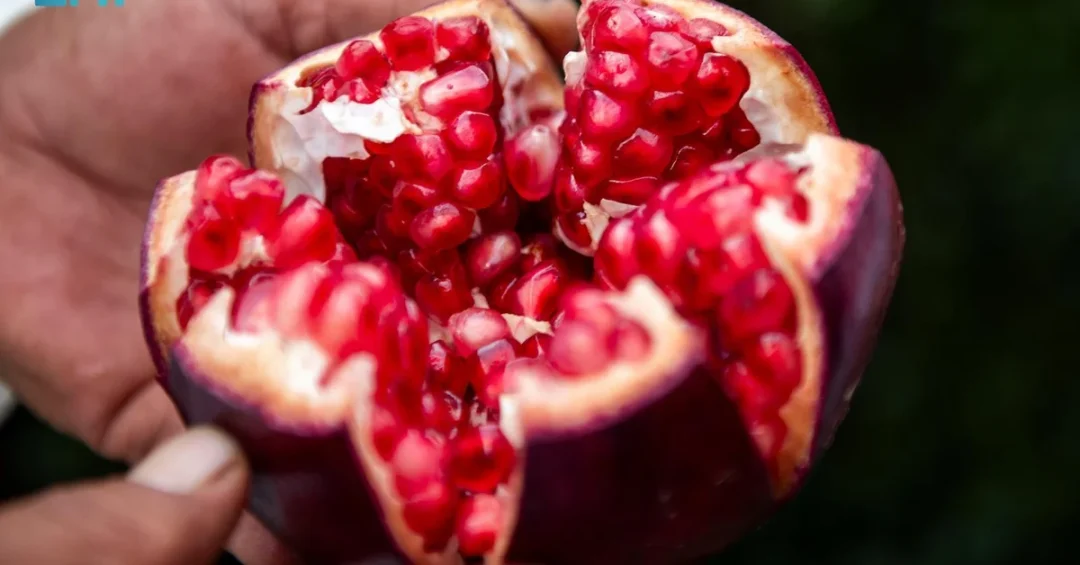
Taif Governorate’s pomegranate season is drawing to a close as winter approaches, with the region’s trees yielding an annual harvest of over 5,000 tons. This bounty, reported by the Saudi Press Agency on November 30, 2024, underscores the vital role of pomegranate cultivation in supporting local farmers and contributing to the area’s agricultural heritage.
Context and Background
Taif, located in the Makkah Province of the Kingdom of Saudi Arabia, is renowned for its unique climate of cold winters and moderate summers, which creates ideal conditions for growing high-quality pomegranates. The Maysan Governorate, neighboring Taif, shares this agricultural tradition, with farmers relying on the annual harvest as a significant source of income. This year’s productive season highlights the region’s commitment to sustaining its agricultural legacy, which aligns with broader goals of food security and economic diversification under Vision 2030.
Key Details
The pomegranate trees of Taif are well-adapted to the local environment, producing abundant fruit that is prized for its taste and quality. The season’s end marks a transition period for farmers, who are now focusing on preparing orchards for winter through careful practices such as pruning, fertilization, and irrigation. These steps are essential to ensure a healthy and productive harvest in the coming year. The annual harvest is a much-anticipated event, attracting visitors who enjoy the region’s picturesque landscapes, including towering mountains, valleys, and water springs, offering a serene escape.
Implications and Impact
The success of Taif’s pomegranate season reinforces the importance of sustainable agriculture in Saudi Arabia’s regional development. By supporting local farmers and preserving traditional cultivation methods, the Kingdom strengthens rural economies and promotes environmental stewardship. This harvest also enhances Taif’s reputation as a destination for agritourism, inviting international visitors to experience its natural beauty and agricultural richness. Such initiatives contribute to the Kingdom’s efforts to diversify its economy beyond oil, fostering growth in sectors like tourism and agriculture.
Vision 2030 Alignment
The end of Taif’s pomegranate season reflects Saudi Arabia’s dedication to advancing Vision 2030 goals, particularly in enhancing agricultural productivity and sustainable resource management. The region’s thriving pomegranate cultivation serves as a model for how local industries can support economic diversification, food security, and community development. As the Kingdom continues to modernize, Taif’s agricultural traditions will remain integral to its journey toward a prosperous and resilient future, showcasing the best of Saudi Arabia’s natural and human potential.
20 Questions
Q1. What is the annual pomegranate harvest in Taif Governorate?
A1. Taif Governorate’s pomegranate trees yield an annual harvest of over 5,000 tons, as reported by the Saudi Press Agency. This production supports local farmers and highlights the region’s agricultural capacity.
Q2. Why is Taif’s climate suitable for pomegranate cultivation?
A2. Taif’s climate features cold winters and moderate summers, which create ideal growing conditions for pomegranates. This unique environment helps produce high-quality fruit that is well-regarded in the region.
Q3. What role do pomegranates play for local farmers in Taif?
A3. Pomegranate cultivation is a significant source of income for farmers in Taif and neighboring Maysan Governorate. The annual harvest is a key economic event that supports rural livelihoods.
Q4. When does the pomegranate season in Taif typically end?
A4. The pomegranate season in Taif draws to a close as winter approaches, based on the 2024 harvest cycle. This timing aligns with the region’s seasonal agricultural patterns.
Q5. What do farmers do after the pomegranate season ends?
A5. Farmers focus on preparing their orchards for winter through pruning, fertilization, and irrigation. These practices ensure healthy trees and a productive harvest in the following year.
Q6. How does Taif’s pomegranate harvest support Vision 2030?
A6. The harvest contributes to Vision 2030 by promoting agricultural sustainability, food security, and economic diversification. It showcases local industry as part of the Kingdom’s modernization efforts.
Q7. What is the significance of the Maysan Governorate in this context?
A7. The Maysan Governorate, neighboring Taif, also benefits from pomegranate cultivation. Its farmers share in the seasonal harvest, reinforcing regional agricultural cooperation and economic stability.
Q8. Are visitors attracted to Taif during the pomegranate season?
A8. Yes, visitors are drawn to Taif during the season to enjoy landscapes dotted with pomegranate trees. The region offers natural beauty, including mountains, valleys, and water springs.
Q9. How does pomegranate cultivation impact Taif’s agritourism?
A9. The harvest enhances Taif’s agritourism appeal by attracting visitors interested in agriculture and nature. This supports local tourism and diversifies the economy beyond traditional sectors.
Q10. What is the quality of Taif’s pomegranates known for?
A10. Taif’s pomegranates are known for their high quality, taste, and adaptation to the local climate. This reputation helps maintain demand and supports the region’s agricultural brand.
Q11. How does the harvest benefit the regional economy?
A11. The harvest provides income for farmers and stimulates related businesses like transportation and retail. It strengthens the rural economy and contributes to food security in the Kingdom.
Q12. What natural features enhance Taif’s agricultural landscape?
A12. Taif’s landscape features towering mountains, valleys, and water springs that complement its farmland. These elements create a picturesque environment for farming and tourism.
Q13. Is pomegranate cultivation sustainable in Taif?
A13. Yes, pomegranate cultivation is sustainable due to the trees’ adaptation to Taif’s climate. Farmers use traditional methods that preserve the environment and ensure long-term productivity.
Q14. How does this season reflect Saudi Arabia’s agricultural goals?
A14. The season reflects Saudi Arabia’s goals of self-sufficiency and sustainable farming under Vision 2030. It demonstrates how local agriculture can meet national development priorities.
Q15. What challenges do farmers face after the season ends?
A15. Farmers face the challenge of preparing orchards for cold winter months. They manage tasks like pruning and irrigation to protect trees and ensure next year’s yield.
Q16. How does the harvest align with food security initiatives?
A16. The harvest supports food security by providing a local source of nutritious fruit. It reduces reliance on imports and strengthens the Kingdom’s agricultural resilience.
Q17. What is the source of information for this article?
A17. The information is based on an official report from the Saudi Press Agency, dated November 30, 2024. This ensures accuracy and credibility in covering the season’s end.
Q18. How does Taif’s pomegranate season promote cultural heritage?
A18. The season celebrates Taif’s agricultural heritage, linking local traditions with modern farming. It preserves cultural practices while supporting economic growth.
Q19. What future plans do farmers have for their orchards?
A19. Farmers plan to focus on winter orchard care, including fertilization and pruning. These steps aim to maintain tree health and secure a productive harvest next year.
Q20. Why is Taif’s pomegranate harvest important for Saudi Arabia?
A20. The harvest is important for showcasing agricultural success, supporting rural communities, and advancing Vision 2030. It highlights Saudi Arabia’s commitment to sustainable development and economic diversification.
Reader Feedback
We value your thoughts. Please share your feedback on this article.
Your feedback helps us improve our coverage.