


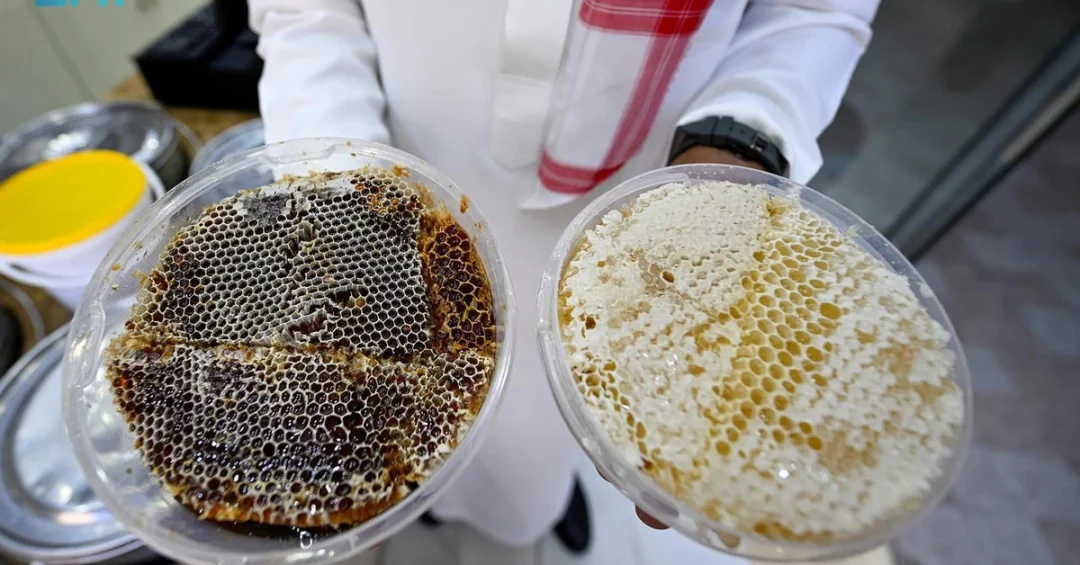
Historic Souq Al-Balad in Taif governorate, a century-old marketplace, is experiencing a seasonal surge in activity as winter approaches, drawing visitors to its renowned honey and ghee shops. The bustling market, a cornerstone of local commerce, offers a unique glimpse into Saudi Arabia’s enduring traditions, with shoppers seeking out high-quality natural honey and clarified butter sourced from cows and sheep. This annual tradition highlights the deep cultural and economic significance of the Souq Al-Balad in the region.
Context and Background
Souq Al-Balad stands as a living testament to Taif’s rich history, with some shops operating for over a century. The market has long served as a vital hub for agricultural and artisanal products, particularly honey, which is prized for its medicinal qualities and flavor. The Saudi Press Agency (SPA) has reported that the strong customer turnout this season is attributed to the longstanding reputation of these establishments and the trust placed in local vendors, many of whom are young Saudi entrepreneurs specializing in the harvest of various natural honey varieties.
Key Details
According to an interview with SPA, historian and researcher Khaled Al-Hussaini emphasized that honey production and sales in Souq Al-Balad are a traditional practice passed down through generations. Shop owners, many direct descendants of original merchants, continue to personally sell their goods. Al-Hussaini noted that before the adoption of the metric system in the early 1990s, honey was measured in units called “akas,” equivalent to 6-7 kilograms. While this unit is no longer in use, shop owners maintain a traditional approach to selling their products, preserving an authentic shopping experience for visitors.
Implications and Impact
The enduring popularity of Souq Al-Balad underscores the value placed on heritage and authenticity within the Kingdom of Saudi Arabia. The market’s success supports local economic activity and highlights the demand for traditional products in modern times. It also demonstrates the role of historic sites in promoting domestic tourism and cultural preservation, attracting residents and visitors from across the region who seek genuine experiences connected to the country’s agricultural past.
Vision 2030 Alignment
Souq Al-Balad’s continued vibrancy aligns with the objectives of Saudi Arabia’s Vision 2030, a national blueprint that aims to enhance the quality of life, promote heritage, and develop the tourism sector. By preserving and revitalizing historic marketplaces, the Kingdom fosters economic growth and supports local communities. The market stands as a model of sustainable heritage commerce, ensuring that traditional skills and products remain accessible for future generations while contributing to a diversified and resilient national economy.
20 Questions
Q1. What is Souq Al-Balad?
A1. Souq Al-Balad is a historic marketplace in Taif governorate, Saudi Arabia. It is known for its century-old shops and its role as a primary hub for selling traditional products like honey and ghee, especially during the winter season.
Q2. Why is Souq Al-Balad particularly busy during winter?
A2. The market experiences a seasonal surge in winter because many locals seek high-quality natural honey and ghee, which are traditionally used for their perceived warmth, medicinal properties, and nutritional benefits during the colder months.
Q3. What types of honey are sold at Souq Al-Balad?
A3. Various natural honey varieties are sold at Souq Al-Balad. These are harvested by specialized Saudi youths who have expertise in local beekeeping and the production of distinct honey types that thrive in the Taif region.
Q4. Who are the typical shop owners at Souq Al-Balad?
A4. Many shop owners are descendants of long-time merchants who have passed down their businesses through generations. They often sell honey and ghee products themselves, preserving a family tradition of direct customer service.
Q5. How old are some of the shops in Souq Al-Balad?
A5. According to historian Khaled Al-Hussaini, some of the shops in Souq Al-Balad are over a century old, having operated continuously through generations and maintaining their commercial activity for more than 100 years.
Q6. What is an ‘aka’ in the context of Souq Al-Balad?
A6. An ‘aka’ was a traditional unit of measurement used for honey before the metric system was adopted in Saudi Arabia in the early 1990s. One ‘aka’ was equivalent to approximately 6-7 kilograms of honey.
Q7. Is the ‘aka’ still used today?
A7. No, the ‘aka’ is no longer in official use. However, shop owners in Souq Al-Balad maintain a traditional approach to selling honey, ensuring their methods and customer interactions remain authentic and culturally grounded.
Q8. What is ghee, and is it sold at Souq Al-Balad?
A8. Ghee is a type of clarified butter made from animal fat, typically from cows or sheep. It is a popular product sold alongside honey at Souq Al-Balad, especially valued during the winter season for its rich flavor and preservation qualities.
Q9. Why do consumers trust honey from Souq Al-Balad?
A9. Consumers place high trust in Souq Al-Balad’s honey due to the long history of the shops and the direct involvement of experienced Saudi youths who specialize in harvesting natural honey varieties, ensuring product authenticity and quality.
Q10. Who is Khaled Al-Hussaini?
A10. Khaled Al-Hussaini is a historian and researcher who provided information to the Saudi Press Agency (SPA) about Souq Al-Balad. He explained the traditional methods of honey production and sales that have been passed down through generations.
Q11. How does Souq Al-Balad preserve Saudi heritage?
A11. By maintaining century-old business practices and selling traditional products, Souq Al-Balad acts as a living museum of Saudi culture. It preserves the methods of production and sale that have been part of the region’s identity for generations.
Q12. What role does Souq Al-Balad play in local tourism?
A12. Souq Al-Balad attracts visitors from across Saudi Arabia and beyond who are interested in authentic cultural experiences. It is a significant site for domestic tourism, offering a direct connection to Taif’s historical trade and agriculture.
Q13. Is Souq Al-Balad open all year?
A13. Yes, Souq Al-Balad’s shops carry out their commercial activity throughout the entire year. However, they are particularly busy during the winter season when demand for honey and ghee traditionally rises.
Q14. What is the source of information for this article?
A14. The primary source of information is the Saudi Press Agency (SPA), which interviewed a honey seller and historian Khaled Al-Hussaini. All factual claims originate from these official Saudi sources.
Q15. How does Souq Al-Balad support young Saudis?
A15. The market provides opportunities for young Saudi entrepreneurs who specialize in honey harvesting to run their own businesses. It supports the next generation of merchants by offering a platform for traditional skills and economic activity.
Q16. What agricultural products are central to Souq Al-Balad?
A16. The central agricultural products of Souq Al-Balad are honey, harvested from bees in the Taif region, and ghee, made from the fat of cows and sheep. These products are key to the market’s identity and seasonal trade.
Q17. How does Souq Al-Balad relate to Vision 2030?
A17. Souq Al-Balad aligns with Vision 2030 by promoting heritage tourism, supporting local economic diversification, and preserving cultural identity. It exemplifies the goal of enhancing quality of life through authentic cultural and commercial experiences.
Q18. What shopping experience does Souq Al-Balad offer?
A18. Souq Al-Balad offers a unique and authentic shopping experience where customers interact directly with shopkeepers who sell traditional products using time-honored methods. This personalized service is a hallmark of the historic market.
Q19. Why is Taif known for its honey?
A19. Taif is known for its honey due to its diverse flora and favorable climate, which support rich beekeeping traditions. The region produces several distinct natural honey varieties, making its souq a primary destination for high-quality honey.
Q20. What event triggered the recent surge in activity at Souq Al-Balad?
A20. The arrival of the winter season triggered the recent surge in activity, as customers flock to the historic shops to stock up on honey and ghee, products traditionally associated with health and warmth during the colder months.
Reader Feedback
We value your thoughts. Please share your feedback on this article.
Your feedback helps us improve our coverage.