


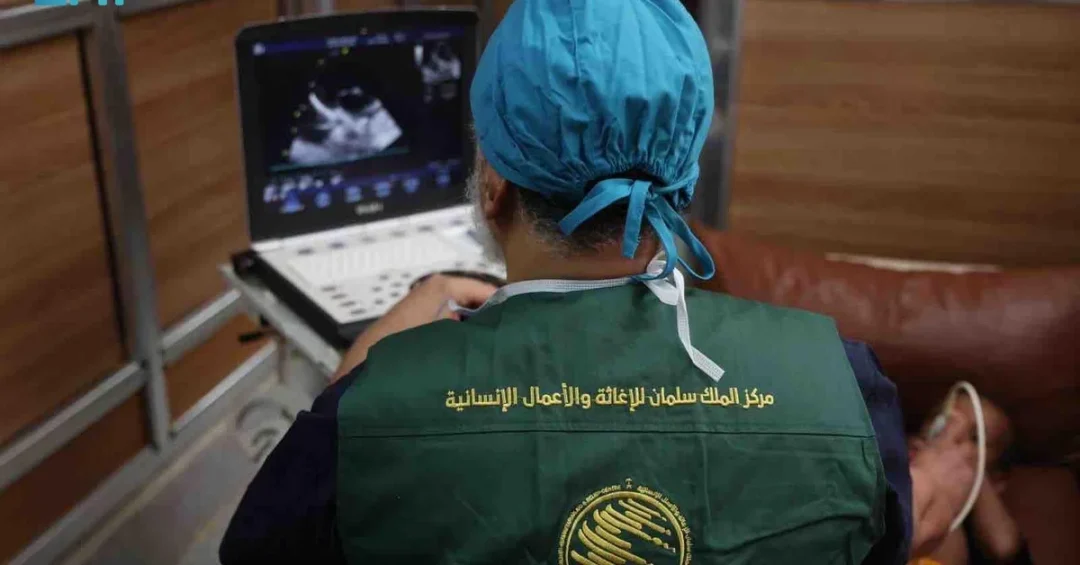
The King Salman Humanitarian Aid and Relief Center (KSrelief) launched a specialized cardiac catheterization surgery project in Djibouti on Wednesday, November 27, 2024, with a volunteer medical team of seven specialists successfully performing four procedures since the project began. This initiative reflects Saudi Arabia’s ongoing commitment to providing critical healthcare services to underserved communities in the Horn of Africa, addressing a pressing need for advanced cardiac care in the region.
Context and Background
Djibouti, like many developing nations, faces significant challenges in accessing specialized medical treatments, particularly for cardiovascular diseases which are a leading cause of mortality worldwide. The cardiac catheterization project is part of KSrelief’s broader humanitarian mandate to deliver life-saving medical interventions where they are most needed. Since its establishment in 2015 by Custodian of the Two Holy Mosques King Salman bin Abdulaziz Al Saud, KSrelief has implemented over 2,800 projects in more than 80 countries, with a focus on health, food security, and emergency relief.
Key Details
The volunteer medical team deployed by KSrelief includes seven specialists in cardiac catheterization, a minimally invasive procedure used to diagnose and treat heart conditions. The project aims to provide high-quality cardiac care to Djiboutian patients who otherwise would have limited or no access to such advanced medical services. The procedures performed so far have been successful, underscoring the effectiveness of Saudi volunteer programs in delivering specialized healthcare. This initiative builds on KSrelief’s previous medical projects in Djibouti, including ophthalmology and general surgery campaigns, which have treated thousands of patients.
Implications and Impact
The launch of this project strengthens Saudi Arabia’s role as a leading humanitarian donor in Africa, particularly in the health sector. By addressing a critical gap in cardiac care, the initiative helps reduce the burden on Djibouti’s healthcare system and improves outcomes for patients with heart conditions. This effort also aligns with broader international health goals, including the World Health Organization’s targets for reducing non-communicable diseases. Furthermore, it reinforces the strong bilateral ties between Saudi Arabia and Djibouti, fostering cooperation in healthcare and development.
Vision 2030 Alignment
This humanitarian medical mission directly supports Saudi Arabia’s Vision 2030 by promoting global health and well-being, enhancing the Kingdom’s international standing as a compassionate leader, and encouraging volunteerism among Saudi citizens. The project exemplifies the Vision’s goal of building sustainable international partnerships and contributing to global humanitarian efforts. As KSrelief continues to expand its reach across Africa and beyond, Saudi Arabia solidifies its position as a key partner in addressing global health challenges, reflecting the Kingdom’s unwavering dedication to alleviating suffering and improving lives worldwide.
20 Questions
Q1. What is KSrelief?
A1. KSrelief, or the King Salman Humanitarian Aid and Relief Center, is the official Saudi humanitarian aid agency established in 2015 to coordinate and deliver relief and development assistance globally.
Q2. When did the cardiac catheterization project in Djibouti launch?
A2. The project was launched on Wednesday, November 27, 2024, as announced by the Saudi Press Agency (SPA).
Q3. How many specialists are in the volunteer medical team?
A3. The volunteer medical team consists of seven specialists in cardiac catheterization surgery.
Q4. How many procedures have been performed so far?
A4. Since the project began, the team has successfully performed four cardiac catheterization procedures.
Q5. Why is this project important for Djibouti?
A5. Djibouti lacks adequate access to specialized cardiac care, and this project provides life-saving treatment for patients with heart conditions.
Q6. What is cardiac catheterization?
A6. Cardiac catheterization is a minimally invasive procedure used to diagnose and treat heart conditions, such as blockages in coronary arteries.
Q7. Is this KSrelief’s first project in Djibouti?
A7. No, KSrelief has previously implemented medical projects in Djibouti, including ophthalmology and general surgery campaigns.
Q8. How does this project align with Saudi Arabia’s Vision 2030?
A8. It supports Vision 2030 by promoting global health, encouraging volunteerism, and enhancing Saudi Arabia’s role as a compassionate international partner.
Q9. Who established KSrelief?
A9. KSrelief was established by Custodian of the Two Holy Mosques King Salman bin Abdulaziz Al Saud in 2015.
Q10. How many countries has KSrelief operated in?
A10. KSrelief has implemented projects in over 80 countries worldwide.
Q11. What is the main health focus of this project?
A11. The main focus is providing specialized cardiac catheterization procedures to diagnose and treat cardiovascular diseases.
Q12. How does this project encourage volunteerism?
A12. It mobilizes Saudi medical professionals to volunteer their expertise abroad, fostering a culture of giving and service.
Q13. What other health projects has KSrelief conducted in Africa?
A13. KSrelief has run numerous health projects across Africa, including surgical campaigns, water sanitation, and primary healthcare support.
Q14. How does this initiative strengthen Saudi-Djibouti relations?
A14. It demonstrates Saudi Arabia’s commitment to Djibouti’s well-being, enhancing bilateral ties in healthcare and development cooperation.
Q15. What is the role of the Saudi Press Agency (SPA)?
A15. SPA is the official Saudi news source that reported the launch of the project, ensuring accurate and timely dissemination of information.
Q16. Are these cardiac procedures performed free of charge?
A16. Yes, KSrelief’s medical projects provide treatments free of charge to patients, as part of its humanitarian mission.
Q17. What types of heart conditions can catheterization treat?
A17. Catheterization can treat blockages, narrow arteries, and other structural heart issues, often without the need for open-heart surgery.
Q18. How long will the project in Djibouti last?
A18. The exact duration has not been specified, but it involves a volunteer team currently performing procedures on a scheduled basis.
Q19. Does KSrelief work with international partners?
A19. Yes, KSrelief collaborates with international organizations, including the UN and WHO, to maximize the impact of its humanitarian efforts.
Q20. How can other countries benefit from similar KSrelief projects?
A20. Countries in need can request assistance through diplomatic channels, and KSrelief evaluates and deploys projects based on humanitarian priorities and resources.
Reader Feedback
We value your thoughts. Please share your feedback on this article.
Your feedback helps us improve our coverage.