


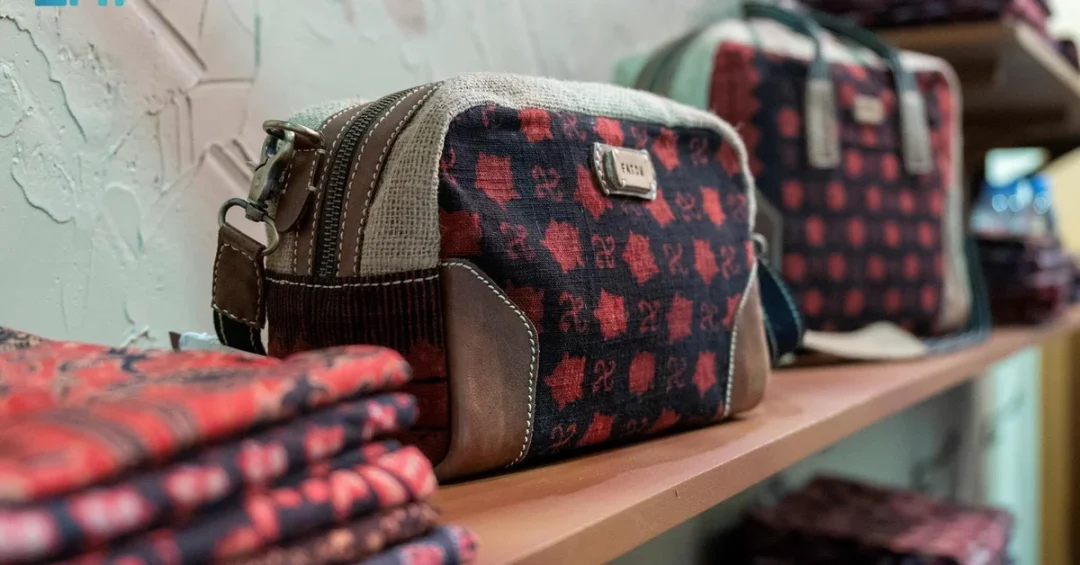
The Saudi International Handicrafts Week Exhibition (Banan) in Riyadh has become a vibrant platform for cultural exchange, where the intricate art of Indonesian batik is being creatively fused with traditional Saudi motifs. This convergence, taking place during the event, showcases how a UNESCO Intangible Cultural Heritage can build bridges between nations, reflecting the Kingdom’s commitment to fostering global dialogue and cultural appreciation under Vision 2030.
Context and Background
Banan, organized by the Saudi Heritage Commission, brings together artisans from across the globe to celebrate traditional crafts. The Indonesian pavilions have emerged as a highlight, presenting batik—a centuries-old art form involving wax resist and dyeing—adapted to incorporate Saudi design elements. These patterns draw inspiration from northern Sadu weaving, eastern Hasawi plasterwork, southern Al-Qatt Al-Asiri murals, Najdi door carvings, and western Rawashin latticework, creating a harmonious fusion of two rich cultures.
Key Details
Indonesian artisans at Banan have meticulously blended their traditional techniques with Saudi visual heritage, producing batik pieces that resonate with local aesthetics. The process involves multiple stages of wax application and dyeing, resulting in intricate patterns that hold cultural and religious significance in Indonesia. The exhibition features live demonstrations, allowing visitors to witness the craftsmanship firsthand and understand the deep connection between the artisans and their environment.
Implications and Impact
This cultural exchange at Banan highlights the power of art to transcend boundaries and foster mutual understanding. Dr. Dalia Alyahya, Handcrafts General Manager at the Heritage Commission, emphasized that the Indonesian batik display is “not merely an artistic display, but a testament to the shared values and aspirations of different cultures.” She added, “Through art, we can bridge cultural divides and foster global harmony. Batik, with its rich history and enduring appeal, continues to inspire and connect people across the world.” The event reinforces Saudi Arabia’s role as a cultural hub, promoting international cooperation through heritage.
Vision 2030 Alignment
The integration of Indonesian batik with Saudi motifs at Banan underscores the Kingdom’s dedication to preserving cultural heritage and promoting cross-cultural dialogue as outlined in Vision 2030. By hosting such exhibitions, Saudi Arabia enhances its global cultural standing, supports local artisans, and opens new avenues for tourism and creative exchange. This initiative contributes to a vibrant society and a diversified economy, showcasing the nation’s commitment to celebrating diversity and building a future rooted in shared human creativity.
20 Questions
Q1. What is the Saudi International Handicrafts Week Exhibition (Banan)?
A1. Banan is an annual exhibition in Riyadh organized by the Saudi Heritage Commission that celebrates global and local handicrafts, providing a platform for cultural exchange and showcasing traditional art forms from various countries.
Q2. What is Indonesian batik?
A2. Indonesian batik is a traditional textile art involving wax-resist dyeing on fabric, recognized by UNESCO as an Intangible Cultural Heritage. It requires meticulous layering of wax and dyes to create intricate patterns.
Q3. How are Indonesian batik and Saudi heritage combined at Banan?
A3. Indonesian artisans have blended traditional batik techniques with Saudi motifs inspired by regional heritage, such as Sadu weaving, Hasawi plaster, Al-Qatt Al-Asiri, Najdi door decorations, and Rawashin, creating unique fused designs.
Q4. Why is this cultural exchange significant?
A4. This exchange fosters mutual understanding and highlights shared values between Indonesia and Saudi Arabia, demonstrating how art can bridge cultural divides and promote global harmony under Vision 2030.
Q5. Who is Dr. Dalia Alyahya?
A5. Dr. Dalia Alyahya is the Handcrafts General Manager at the Saudi Heritage Commission. She emphasized that the Indonesian batik display at Banan represents shared cultural aspirations and the power of art to unite people.
Q6. What Saudi motifs are incorporated into the batik?
A6. The batik pieces feature patterns from northern Sadu weaving, eastern Hasawi plaster, southern Al-Qatt Al-Asiri, Najdi door carvings, and western Rawashin, blending Indonesian techniques with Saudi visual traditions.
Q7. Is batik recognized internationally?
A7. Yes, Indonesian batik was designated as a UNESCO Intangible Cultural Heritage, recognizing its cultural significance and the meticulous craftsmanship involved in its production.
Q8. What is the Heritage Commission of Saudi Arabia?
A8. The Heritage Commission is a Saudi government agency responsible for preserving and promoting the Kingdom’s cultural heritage, including organizing events like Banan to showcase traditional crafts.
Q9. How does Banan support Vision 2030?
A9. Banan supports Vision 2030 by promoting cultural heritage, boosting tourism, and fostering international cultural exchange, which contributes to a vibrant society and a diversified economy.
Q10. Who can visit the Banan exhibition?
A10. The Banan exhibition is open to the public in Riyadh, attracting visitors, artisans, and cultural enthusiasts from around the world who are interested in handicrafts and cultural dialogue.
Q11. What is the process of making batik?
A11. Batik involves applying wax resist to fabric, then dyeing and waxing multiple times to build up intricate patterns. Each step requires precision and artistic skill, resulting in unique textiles.
Q12. Why is batik important to Indonesian culture?
A12. Batik is deeply rooted in Indonesian tradition, with designs that often hold cultural and religious significance, reflecting the connection between people and their environment. It is a source of national pride.
Q13. How does this event foster global harmony?
A13. By bringing together artisans from different cultures and showcasing collaborative art, Banan encourages dialogue and understanding, showing that shared creative expression can transcend geopolitical and cultural boundaries.
Q14. What role do artisans play at Banan?
A14. Artisans at Banan demonstrate their crafts live, allowing visitors to learn about techniques and cultural stories behind each piece, fostering appreciation for traditional skills and international cooperation.
Q15. Are there other cultural exchanges at Banan?
A15. Yes, Banan features pavilions from multiple countries, each presenting unique handicrafts. The Indonesian batik is one of many examples of how the event facilitates cross-cultural artistic exchange.
Q16. What is the significance of Saudi motifs in this fusion?
A16. Integrating Saudi motifs into batik honors local traditions and makes the art relevant to Saudi audiences, creating a visual dialogue that respects both Indonesian craftsmanship and Saudi heritage.
Q17. How does this align with Saudi cultural diplomacy?
A17. The event showcases Saudi Arabia’s openness to cultural diversity and its role as a global hub for heritage, strengthening diplomatic and cultural ties with Indonesia and other nations.
Q18. Can visitors buy batik at Banan?
A18. The exhibition often includes a marketplace where visitors can purchase handcrafted items, including batik pieces, supporting artisans and promoting cultural exchange beyond the event.
Q19. What is the long-term impact of such cultural exchanges?
A19. Long-term impacts include deeper mutual understanding, increased tourism, and sustainable support for traditional crafts, aligning with Vision 2030’s goals for cultural development and economic diversification.
Q20. Where can I learn more about Banan?
A20. For more information, refer to official announcements from the Saudi Heritage Commission and coverage by the Saudi Press Agency (SPA), which provide detailed reports on the exhibition and cultural programs.
Reader Feedback
We value your thoughts. Please share your feedback on this article.
Your feedback helps us improve our coverage.