


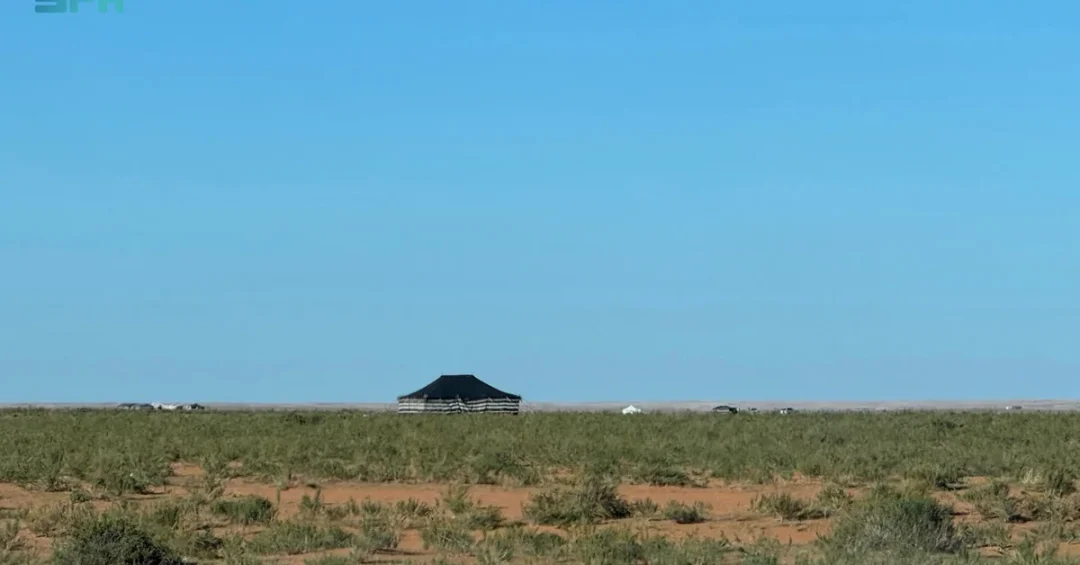
Bedouin tents, a timeless symbol of Saudi Arabia’s rich cultural heritage, continue to serve as powerful reminders of the Kingdom’s deep-rooted traditions and the enduring spirit of its people. These iconic structures, once essential for survival in the harsh desert environment, have transcended their practical origins to become cherished cultural icons, offering a tangible link to generations past. The latest feature from the Saudi Press Agency (SPA) highlights their ongoing significance in modern Saudi society.
Context and Background
Historically, bedouin tents, known as ‘bayt al-sha’ar’ or ‘house of hair,’ were ingeniously designed for mobility and resilience, enabling nomadic communities to thrive across the Arabian Peninsula. Woven from goat and sheep hair, their fabric provided insulation against extreme temperatures and protection from wind and sand. Today, these structures are not only celebrated in cultural festivals but also increasingly integrated into modern hospitality and tourism sectors, aligning with Saudi Arabia’s Vision 2030 goals to promote heritage tourism and diversify the economy.
Key Details and Cultural Significance
The SPA report emphasizes that bedouin tents now adorn landscapes and grace homes, serving as beautiful reminders of the past. They are versatile spaces used for social gatherings, offering peaceful retreats for families and individuals seeking a connection to nature. Outdoor enthusiasts appreciate the authentic experience these tents provide, combining tradition with modern comforts. Throughout history, poets and Bedouins have celebrated their beauty and warmth, drawing inspiration and solace from their unique ambiance. This enduring appeal highlights their role as cultural bridges between the past and present.
Implications for Tourism and Heritage
The preservation and celebration of bedouin tent culture have significant implications for Saudi Arabia’s tourism sector. By showcasing traditional crafts and nomadic lifestyles, the Kingdom enhances its appeal as a destination for cultural tourism. This initiative supports local artisans and promotes sustainable tourism practices, offering international visitors a deeper understanding of Saudi heritage. The integration of bedouin tents into luxury desert resorts and cultural events also reflects a broader trend of blending tradition with innovation, reinforcing Saudi Arabia’s leadership in cultural preservation within the region.
Vision 2030 Alignment
The continued reverence for bedouin tents underscores Saudi Arabia’s commitment to preserving its cultural identity while pursuing modernization under Vision 2030. By promoting heritage assets like the bedouin tent, the Kingdom fosters national pride and economic growth through cultural tourism. As outlined in the SPA feature, these tents remain timeless symbols of the desert, embodying the enduring spirit of Saudi Arabia’s heritage and its forward-looking vision for a vibrant, diversified future.
20 Questions
Q1. What is the primary material used for traditional bedouin tents?
A1. Traditional bedouin tents are primarily made from woven goat and sheep hair, which provides natural insulation against desert temperatures and resistance to wind and rain, ensuring durability in harsh conditions.
Q2. Why were bedouin tents essential for survival in the desert?
A2. They offered portable shelter that could be easily dismantled and transported, protecting nomads from extreme heat, cold, sandstorms, and predators while allowing them to follow grazing patterns for their livestock.
Q3. What is the significance of bedouin tents in modern Saudi society?
A3. They symbolize cultural heritage and national identity, often used for social gatherings, tourism experiences, and as nostalgic décor in homes, reflecting a deep respect for traditional ways of life.
Q4. How do bedouin tents contribute to Saudi Arabia’s tourism sector?
A4. They provide authentic cultural experiences for visitors, including desert camping and Bedouin hospitality, which attract tourists seeking heritage tourism, supporting Vision 2030 goals for economic diversification.
Q5. What does ‘bayt al-sha’ar’ mean?
A5. ‘Bayt al-sha’ar’ translates to ‘house of hair’ in Arabic, referring to the tent’s construction from animal hair and its role as a home for Bedouin families across generations.
Q6. How have poets celebrated bedouin tents in history?
A6. Poets throughout history have praised the tents’ beauty, warmth, and hospitality in verse, using them as symbols of refuge, generosity, and the Bedouin way of life in classical and folk poetry.
Q7. What modern comforts are often combined with traditional bedouin tents today?
A7. Modern adaptations include air conditioning, comfortable bedding, electricity, and luxurious furnishings, allowing visitors to experience authentic desert living without sacrificing convenience and comfort.
Q8. Why are bedouin tents considered versatile structures?
A8. They can serve multiple purposes: as homes, gathering spaces for social events, venues for hospitality, and peaceful retreats for individuals and families seeking connection with nature.
Q9. How does the Saudi government support bedouin culture?
A9. Through cultural festivals, heritage preservation programs, and tourism initiatives that showcase traditional crafts and nomadic lifestyles, the government actively promotes Bedouin heritage as a national treasure.
Q10. What role do bedouin tents play in outdoor recreation?
A10. They offer an authentic camping experience for enthusiasts, combining traditional design with modern amenities, fostering appreciation for desert landscapes and sustainable living practices.
Q11. How are bedouin tents constructed traditionally?
A11. They are handwoven by Bedouin women using goat and sheep hair, with wooden poles for support and ropes for stability, allowing the structure to be assembled and disassembled quickly by families.
Q12. What is the environmental benefit of bedouin tents?
A12. Their natural materials are biodegradable and require minimal resources, promoting sustainable living that respects the desert ecosystem, aligning with modern eco-friendly practices.
Q13. How do bedouin tents foster social connections?
A13. They create inviting spaces for family gatherings, community meetings, and celebrations, encouraging hospitality and communication, which are core values in Saudi and Bedouin culture.
Q14. What colors are traditional bedouin tents?
A14. They are typically black or dark brown, due to the natural color of goat and sheep hair, which also helps absorb heat during cold nights and reflects some sunlight during the day.
Q15. How are bedouin tents linked to Vision 2030?
A15. They are part of cultural heritage initiatives that boost tourism, create jobs for artisans, and strengthen national identity, supporting the Vision 2030 goal of a vibrant society and diversified economy.
Q16. What is the historical importance of tents for Bedouin tribes?
A16. Tents were central to the nomadic lifestyle, providing portable homes, shelter for livestock, and a base for trade, enabling tribes to thrive in the Arabian desert for centuries.
Q17. Where can visitors experience bedouin tents in Saudi Arabia?
A17. Visitors can find them at cultural festivals, desert resorts, heritage villages, and organized camping experiences in regions like AlUla, the Empty Quarter, and Al Ahsa Oasis.
Q18. How do bedouin tents reflect Saudi hospitality?
A18. They are often used to host guests with traditional offerings like Arabic coffee and dates, embodying the deep-rooted cultural value of generosity and hospitality in Saudi society.
Q19. Are bedouin tents still used by nomadic communities today?
A19. While many Bedouins have settled, some continue to use tents seasonally during grazing periods, preserving traditions. Others use them recreationally to maintain cultural ties.
Q20. What future role might bedouin tents play in Saudi culture?
A20. They are likely to remain key in heritage tourism, education, and design, inspiring architecture and sustainable living trends while serving as enduring symbols of Saudi Arabia’s identity.
Reader Feedback
We value your thoughts. Please share your feedback on this article.
Your feedback helps us improve our coverage.