


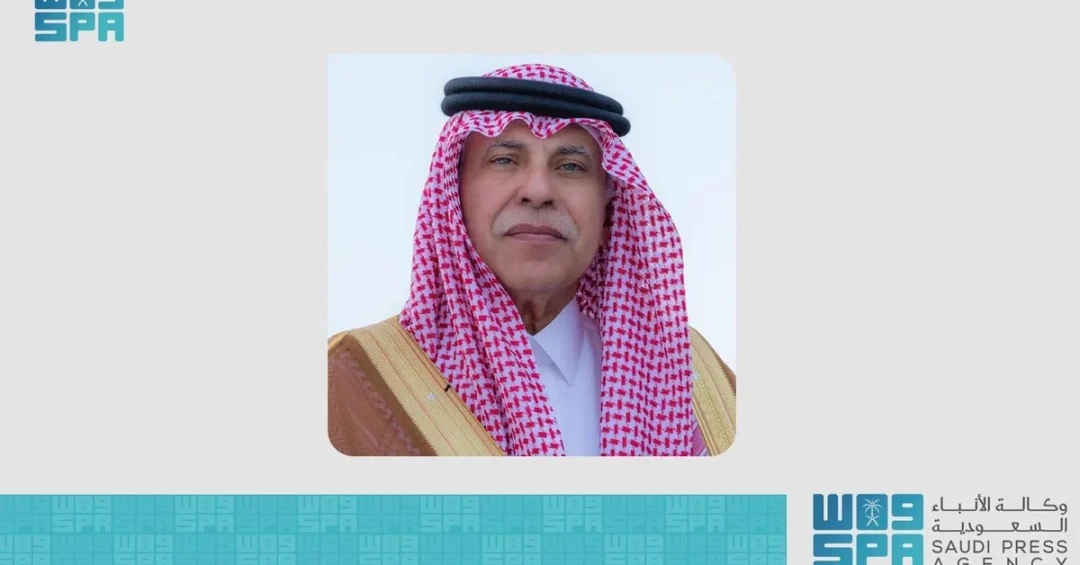
The General Authority of Foreign Trade (GAFT) of Saudi Arabia announced the imposition of definitive anti-dumping measures on imports of Sulphonated Naphthalene Formaldehyde (SNF) originating from the People’s Republic of China and the Russian Federation. The decision, issued by Minister of Commerce and Chairman of GAFT Majid Al-Kassabi, was published in the Umm Al-Qura gazette on December 2, 2024, and took effect on December 3, 2024, remaining in force for five years.
Context and Background
The anti-dumping measures are designed to protect Saudi Arabia’s domestic chemical industry from unfair trade practices that have been harming local producers. SNF is a chemical compound widely used as a superplasticizer in concrete and cement mixtures, and its import at dumped prices threatened the viability of local manufacturing. The decision follows a formal investigation initiated on November 20, 2023, after the domestic industry submitted complaints in accordance with the Law of Trade Remedies in International Trade and its Executive Regulations.
Key Details
According to GAFT’s press release, the Zakat, Tax, and Customs Authority has been directed to impose and collect anti-dumping duties ranging from 18.12% to 34%, depending on the specific exporter and product classification. The rates are detailed in a table included in the official decision. GAFT emphasized that these measures are lawful and based on the final findings of a thorough investigation aimed at ensuring fair competition and safeguarding the interests of Saudi industrial sectors.
International and Economic Implications
This action underscores Saudi Arabia’s commitment to enforcing international trade rules and protecting its growing manufacturing base. By countering dumping from major global exporters like China and Russia, Riyadh reinforces its credibility as a responsible trading partner that adheres to World Trade Organization protocols. The move also signals continued support for domestic industries as the Kingdom diversifies its economy under Vision 2030, reducing reliance on oil exports and promoting local value creation.
Vision 2030 Alignment
The imposition of anti-dumping measures on SNF imports aligns directly with Saudi Arabia’s Vision 2030 objectives, particularly in fostering a competitive industrial environment and protecting local enterprises. By upholding fair trade practices, the Kingdom encourages investment in the non-oil sector, strengthens supply chains, and empowers Saudi manufacturers to compete on a global scale. This balanced approach supports long-term economic resilience while maintaining openness to international trade.
20 Questions
Q1. What are anti-dumping measures?
A1. Anti-dumping measures are trade remedies imposed by a country to protect its domestic industries from foreign goods sold at unfairly low prices, often below production cost.
Q2. Who announced these measures?
A2. The General Authority of Foreign Trade (GAFT) of Saudi Arabia, with its chairman Minister of Commerce Majid Al-Kassabi, announced the decision.
Q3. What product is affected?
A3. The product is Sulphonated Naphthalene Formaldehyde (SNF), a chemical used in concrete and cement as a superplasticizer.
Q4. Which countries are subject to these duties?
A4. The measures apply to imports of SNF originating from or exported by the People’s Republic of China and the Russian Federation.
Q5. When did the measures take effect?
A5. They took effect on December 3, 2024, and will remain in force for five years.
Q6. What is the range of anti-dumping duties?
A6. Duties range from 18.12% to 34%, depending on the exporter and product type as per the decision table.
Q7. Why did GAFT impose these measures?
A7. To protect Saudi Arabia’s domestic industrial sector from unfair trade practices that were harming local SNF producers.
Q8. What law governs this decision?
A8. The Law of Trade Remedies in International Trade and its Executive Regulations provide the legal basis for the measures.
Q9. When was the investigation initiated?
A9. The investigation began on November 20, 2023, after complaints from the domestic industry.
Q10. Which authority will collect the duties?
A10. The Zakat, Tax, and Customs Authority is responsible for imposing and collecting the anti-dumping duties.
Q11. Where was the decision published?
A11. The decision was published in the Umm Al-Qura gazette, Saudi Arabia’s official legal publication.
Q12. How does this support Vision 2030?
A12. It protects local manufacturing, encourages industrial growth, and reduces reliance on oil exports, aligning with Vision 2030 diversification goals.
Q13. Is SNF used in construction?
A13. Yes, SNF is a key additive in concrete and cement to improve workability and strength, essential for construction projects.
Q14. Will this affect Saudi-China trade relations?
A14. Saudi Arabia follows international trade rules, and such measures are legal remedies, so they are not expected to disrupt broader bilateral cooperation.
Q15. How does this protect Saudi industries?
A15. It prevents foreign companies from selling at unfair low prices, allowing local producers to compete fairly and sustain their operations.
Q16. What evidence supported the decision?
A16. The decision was based on final findings of a formal investigation that reviewed complaints and evidence from the domestic industry.
Q17. Can other countries impose similar measures?
A17. Yes, many World Trade Organization members use anti-dumping duties to counteract unfair trade practices under global trade rules.
Q18. How long will these measures apply?
A18. The measures are effective for five years, starting from December 3, 2024, as stated in the GAFT press release.
Q19. Where can more details be found?
A19. Details are available on the “Announcements and Circulars of Trade Remedies Investigations” page on GAFT’s official website: gaft.gov.sa.
Q20. Does this reflect Saudi legal transparency?
A20. Yes, the process followed a transparent investigation, published in public records, and complies with international trade law, demonstrating Saudi commitment to rule of law.
Reader Feedback
We value your thoughts. Please share your feedback on this article.
Your feedback helps us improve our coverage.