


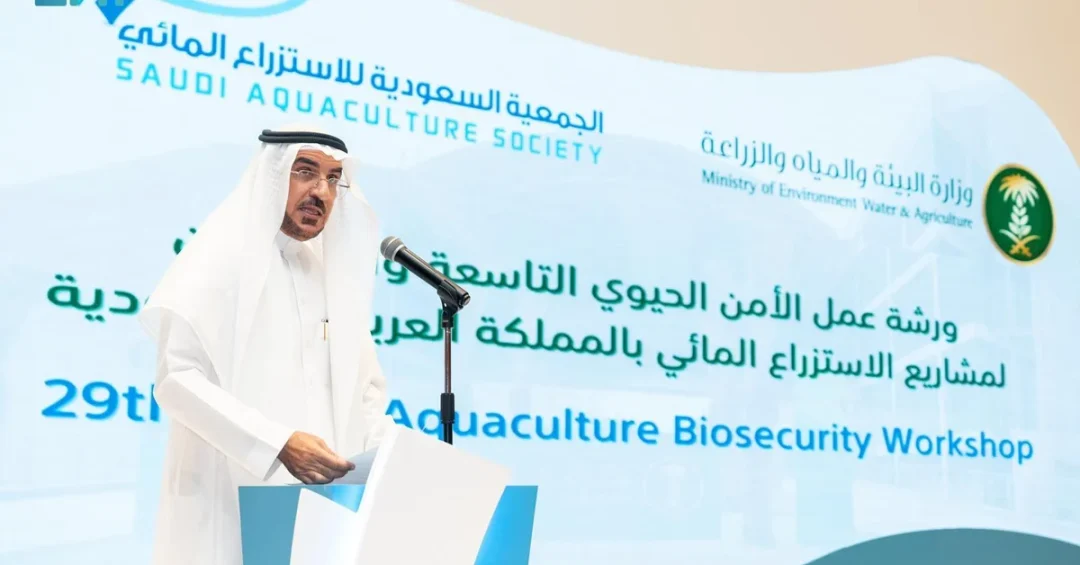
The Saudi Aquaculture Society (SAS) and the Institute of Oceanology Chinese Academy of Sciences (IOCAS) signed an agreement on December 15, 2024, in Jeddah, to identify and develop the most prominent genetic traits and markers in farmed shrimp in the Kingdom. This collaboration, announced during the 29th Saudi Aquaculture Biosecurity Workshop, aims to enhance the economic value of shrimp, advance the aquaculture industry, and increase sustainable production.
Context and Background
The agreement underscores Saudi Arabia’s commitment to modernizing its aquaculture sector as part of the broader Vision 2030 initiative to diversify the economy and ensure food security. By partnering with IOCAS, a leading international marine research institution, the Kingdom is leveraging cutting-edge genetic science to improve shrimp farming efficiency and resilience.
Key Details
At the same workshop, SAS and the Thai National Science and Technology Development Agency (NSTDA), represented by the National Center for Genetic Engineering and Biotechnology (BIOTEC), announced a separate agreement to develop viral adaptation mechanisms in shrimp farming. This effort focuses on combating white spot syndrome virus, a significant threat to shrimp stocks, and supports the sustainability of the national aquaculture industry.
Implications and Impact
These bilateral agreements position Saudi Arabia as a regional hub for aquaculture innovation, fostering international research collaborations that boost domestic production capacity. The integration of biosecurity measures and genetic enhancement is expected to reduce losses, stabilize supply, and strengthen the Kingdom’s role in global seafood markets.
Vision 2030 Alignment
The agreements directly support Vision 2030’s goals of economic diversification and food self-sufficiency. By advancing aquaculture through scientific partnerships and biosecurity protocols, Saudi Arabia is building a resilient, knowledge-driven industry that contributes to long-term prosperity and global food security leadership.
20 Questions
Q1. What is the main purpose of the SAS and IOCAS agreement?
A1. The agreement aims to identify and develop key genetic traits and markers in farmed shrimp to enhance their economic value and boost aquaculture production in the Kingdom.
Q2. When and where was the agreement signed?
A2. The agreement was signed on December 15, 2024, in Jeddah, during the 29th Saudi Aquaculture Biosecurity Workshop.
Q3. What is the role of the Institute of Oceanology Chinese Academy of Sciences (IOCAS) in this collaboration?
A3. IOCAS provides expertise in marine genetics and scientific research to help improve shrimp farming efficiency and sustainability in Saudi Arabia.
Q4. How does this agreement contribute to Vision 2030?
A4. It supports economic diversification and food security goals by advancing the aquaculture industry through innovation and international partnerships.
Q5. What other agreement was announced at the same workshop?
A5. SAS and the Thai NSTDA/BIOTEC signed an agreement to develop viral adaptation mechanisms to combat white spot syndrome virus in shrimp.
Q6. What is white spot syndrome virus?
A6. It is a highly contagious virus that causes significant mortality in farmed shrimp, threatening aquaculture productivity and food security.
Q7. Why is the agreement with Thailand important?
A7. It brings Thai expertise in genetic engineering to develop shrimp resistant to viruses, helping sustain the national aquaculture industry.
Q8. Who organized the 29th Saudi Aquaculture Biosecurity Workshop?
A8. The workshop was organized by the Saudi Aquaculture Society (SAS) to foster collaboration and innovation in the sector.
Q9. What is the main goal of the viral adaptation mechanism agreement?
A9. To create shrimp strains that can better resist viral infections, ensuring stable and sustainable production in the Kingdom.
Q10. How will these agreements affect Saudi food security?
A10. By increasing local shrimp production and reducing losses, they enhance domestic food supply and reduce reliance on imports.
Q11. What genetic traits are being targeted in the shrimp?
A11. Traits that improve growth rates, disease resistance, and overall economic value are the focus of the genetic research.
Q12. Is Saudi Arabia investing in aquaculture research?
A12. Yes, through partnerships with global institutions like IOCAS and NSTDA, the Kingdom is actively expanding scientific research in aquaculture.
Q13. How does the workshop support the aquaculture sector?
A13. It provides a platform for stakeholders to discuss biosecurity, share knowledge, and develop strategies for industry growth.
Q14. What is the Saudi Aquaculture Society?
A14. SAS is a Saudi organization dedicated to advancing the aquaculture industry through research, education, and collaboration.
Q15. How will genetic markers help shrimp farming?
A15. Genetic markers allow breeders to select shrimp with desirable traits, leading to healthier, more productive stocks.
Q16. Does this agreement involve technology transfer?
A16. Yes, it facilitates the transfer of scientific methods and genetic tools from IOCAS to Saudi researchers and farmers.
Q17. What is the significance of the international partnerships?
A17. They bring global expertise to Saudi Arabia, accelerating innovation and positioning the Kingdom as a leader in sustainable aquaculture.
Q18. How does this impact the economy?
A18. Increased shrimp production and higher economic value contribute to non-oil GDP growth and create jobs in the aquaculture sector.
Q19. Are there plans to expand these agreements?
A19. The agreements lay the groundwork for future collaborations, potentially expanding to other species or research areas in aquaculture.
Q20. What is the timeline for these projects?
A20. The agreements are now in effect, with research and development activities expected to proceed over the coming years.
Reader Feedback
We value your thoughts. Please share your feedback on this article.
Your feedback helps us improve our coverage.