


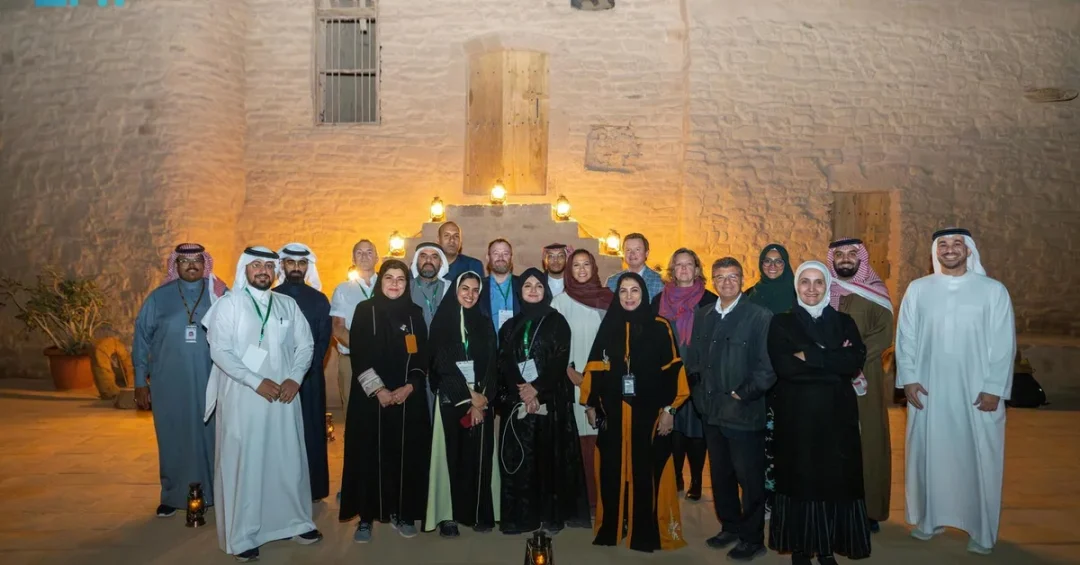
The Royal Commission for AlUla (RCU) and its strategic partner, the Saudi International Council on Monuments and Sites (ICOMOS), have issued key recommendations for protecting people and preserving history at cultural heritage sites following the AlUla Symposium on Fire Risk Management at Historic and Heritage Sites. The symposium, hosted recently in AlUla, brought together 80 national and international experts in fire management and heritage conservation, providing a platform for critical discussions on fire prevention, mitigation, and response strategies specifically designed for historic and cultural sites. These recommendations will inform future development of policies and procedures across AlUla’s landmark cultural sites, balancing heritage preservation with modern safety standards.
Context and Background
The AlUla region, home to ancient Nabataean tombs and UNESCO World Heritage sites, faces unique challenges in protecting irreplaceable cultural assets from fire. The symposium addressed these challenges by focusing on a holistic approach that prioritizes the safety of occupants, visitors, surrounding communities, and the landmarks themselves. Experts shared best practices, case studies, and innovative technologies, emphasizing the need for tailored fire safety solutions that respect the structural integrity and historical character of old buildings.
Key Details
Discussions at the symposium highlighted the implementation of fire codes like the Saudi Historical Building Code, which balances safety with preservation. Case studies presented at the event, such as the 2019 Notre Dame fire, underscored the necessity of comprehensive fire safety planning and innovative collaboration. Chairman of Saudi ICOMOS Princess Nouf bint Mohammed bin Fahad emphasized the urgent need for preventative measures: “Fires pose an existential threat to priceless historical and heritage sites, endangering their authenticity, integrity and the values they represent. The negative effects of fires on historical and heritage sites remind us of the urgent need to work to prevent such disasters.” Experts presented practical strategies including fire risk assessments, community training, and tailored roadmaps for specific locations, demonstrating how proactive risk management can protect both lives and heritage.
Implications and Impact
The recommendations from the symposium are set to guide RCU’s ongoing efforts to improve fire safety at AlUla’s heritage sites, with potential applications across Saudi Arabia and globally. By integrating modern fire management techniques with heritage conservation, AlUla is positioning itself as a model for safeguarding cultural assets in vulnerable environments. This initiative not only protects local communities and tourists but also reinforces Saudi Arabia’s commitment to cultural stewardship and sustainable tourism development.
Vision 2030 Alignment
The symposium’s outcomes align directly with Saudi Arabia’s Vision 2030, which emphasizes cultural heritage preservation as a pillar of economic diversification and national identity. By enhancing fire safety at historic sites, AlUla is advancing its goal of becoming a global leader in heritage conservation, attracting international visitors, and supporting the Kingdom’s broader ambitions for sustainable development and cultural exchange.
20 Questions
Q1. What was the main purpose of the AlUla Symposium on Fire Risk Management?
A1. The symposium aimed to develop key recommendations for protecting people and preserving history at cultural heritage sites, focusing on fire prevention, mitigation, and response strategies tailored to historic locations.
Q2. Who organized the symposium?
A2. The symposium was organized by the Royal Commission for AlUla (RCU) in partnership with the Saudi International Council on Monuments and Sites (ICOMOS).
Q3. How many experts attended the symposium?
A3. A total of 80 national and international experts in fire management and heritage conservation participated in the event.
Q4. What types of sites were the focus of the symposium?
A4. The symposium focused on historic and cultural heritage sites, including vulnerable landmarks in AlUla such as ancient Nabataean tombs and UNESCO World Heritage sites.
Q5. What is the Saudi Historical Building Code?
A5. It is a fire code that balances heritage preservation with modern safety standards, designed to protect occupants while respecting the unique character of historic buildings.
Q6. Which major fire case study was discussed at the symposium?
A6. The 2019 Notre Dame fire in Paris was presented as a case study to highlight the need for comprehensive fire safety planning and collaboration.
Q7. What is the role of Princess Nouf bint Mohammed bin Fahad in Saudi ICOMOS?
A7. She serves as the Chairman of Saudi ICOMOS, playing a key role in advocating for heritage preservation and fire risk management.
Q8. What did Princess Nouf say about fires at heritage sites?
A8. She stated that fires pose an existential threat to priceless historical sites, endangering their authenticity, integrity, and the values they represent, stressing the urgent need for prevention.
Q9. What practical strategies were presented at the symposium?
A9. Strategies included fire risk assessments, community training, and tailored roadmaps for specific locations to ensure proactive risk management.
Q10. How will the recommendations be used?
A10. The recommendations will guide RCU’s ongoing efforts to improve fire safety at AlUla’s heritage sites and inform future policies and procedures.
Q11. What is the holistic approach mentioned at the symposium?
A11. It involves prioritizing the safety of occupants, visitors, surrounding communities, and the landmarks themselves through integrated fire management strategies.
Q12. How does the symposium contribute to Vision 2030?
A12. It supports Vision 2030 by enhancing cultural heritage preservation, boosting sustainable tourism, and positioning AlUla as a global leader in heritage conservation.
Q13. What is the significance of AlUla’s heritage sites?
A13. AlUla is home to ancient cultural landmarks, including UNESCO World Heritage sites, which are central to Saudi Arabia’s cultural identity and tourism goals.
Q14. What is Saudi ICOMOS?
A14. It is the Saudi branch of the International Council on Monuments and Sites, focused on preserving cultural heritage and promoting best practices in conservation.
Q15. How will the symposium impact local communities?
A15. By improving fire safety, the symposium helps protect residents and visitors in AlUla, supporting community wellbeing and sustainable tourism development.
Q16. What innovative technologies were discussed?
A16. Experts shared advanced fire detection systems, suppression technologies, and data-driven risk assessment tools designed for historic structures.
Q17. Why is fire risk management challenging at heritage sites?
A17. Heritage sites often have old materials and layouts that require specialized fire safety solutions that do not compromise their historical integrity.
Q18. What is RCU’s role in AlUla?
A18. The Royal Commission for AlUla oversees the region’s development, focusing on preserving cultural heritage and promoting AlUla as a global tourism destination.
Q19. How does the symposium support global heritage conservation efforts?
A19. It shares best practices and fosters international collaboration, setting a model for fire risk management at vulnerable heritage sites worldwide.
Q20. What is the next step after the symposium?
A20. The recommendations will be implemented to enhance fire safety policies and procedures at AlUla’s heritage sites, aligning with Vision 2030 goals for cultural preservation.
Reader Feedback
We value your thoughts. Please share your feedback on this article.
Your feedback helps us improve our coverage.