


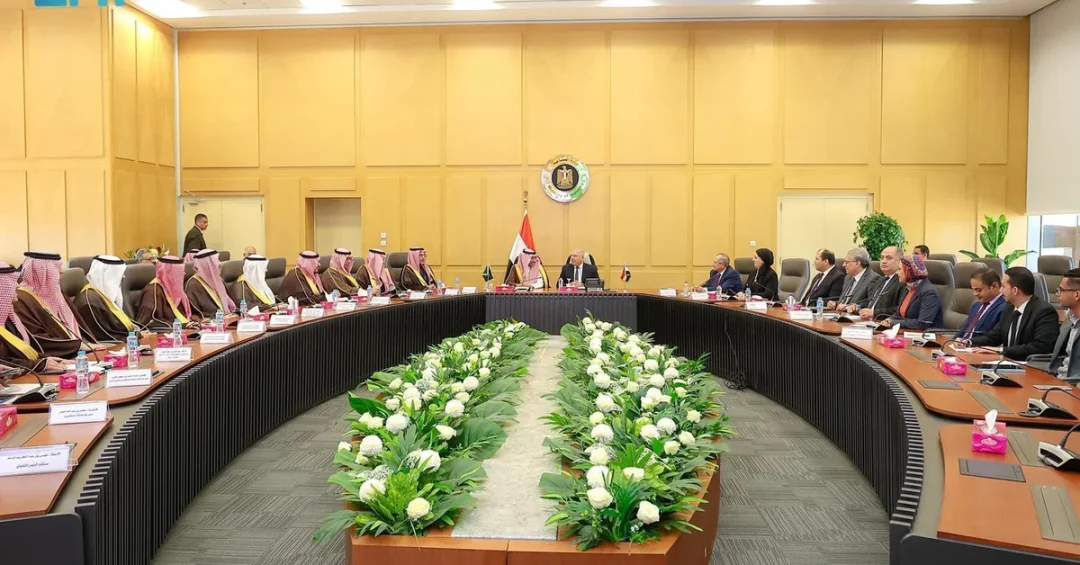
Saudi Minister of Industry and Mineral Resources Bandar Alkhorayef held a series of high-level meetings with Egyptian officials in Cairo on Monday, December 16, 2024, to advance bilateral cooperation in industry, mining, and investment. The discussions, reported by the Saudi Press Agency, focused on activating agreed industrial integration paths, attracting investments to strategic Saudi opportunities, and strengthening collaboration between the private sectors of both nations.
Context and Background
The meetings reflect the longstanding strategic partnership between Saudi Arabia and Egypt, two of the region’s largest economies. Minister Alkhorayef met separately with Egyptian Deputy Prime Minister for Industrial Development and Minister of Industry and Transport Kamel El-Wazir, Minister of Investment and Foreign Trade Hassan El-Khatib, Minister of Petroleum and Mineral Resources Karim Badawi, and Central Bank of Egypt Governor Hassan Abdallah. These engagements underscore Saudi Arabia’s proactive diplomacy under Vision 2030 to build interdependent economic relationships that drive growth and stability across the Middle East and North Africa.
Key Details
During his meeting with Minister El-Wazir, Alkhorayef emphasized the importance of strengthening collaboration to activate industrial integration paths between the two countries. He highlighted how Vision 2030 is leading economic transformation and stimulating growth across various sectors, including the launch of strategies designed to create added value in industry, mining, and exports. Alkhorayef also noted initiatives aimed at streamlining the industrial investors’ journey. In talks with Minister El-Khatib, the focus shifted to enhancing investment cooperation and fostering effective private-sector partnerships to leverage available opportunities. With Minister Badawi, Alkhorayef underscored Saudi Arabia’s commitment to bolstering bilateral collaboration in mining and mineral industries, and extended an invitation to the Future Minerals Forum in Riyadh in January 2025. The conversation with CBE Governor Abdallah explored financing mechanisms and guarantees from financial institutions in both countries to enhance trade.
Implications and Impact
These meetings signal a deepening economic alignment between Saudi Arabia and Egypt, two pillars of the Arab world. By coordinating on industrial integration, investment flows, and mining sector development, both nations are positioning themselves to attract global capital and create resilient supply chains. The discussions also pave the way for enhanced private-sector collaboration, which is critical for job creation and technology transfer. The invitation to the Future Minerals Forum highlights Saudi Arabia’s growing role as a global hub for mining dialogue and investment, reinforcing its position as a reliable partner for resource-rich nations.
Vision 2030 Alignment
Minister Alkhorayef’s Cairo meetings directly advance the goals of Saudi Vision 2030, which seeks to diversify the Kingdom’s economy, expand the industrial and mining sectors, and strengthen international partnerships. By building closer ties with Egypt, Saudi Arabia is creating a framework for cross-border investments that will accelerate its transformation into a global investment powerhouse and a leader in sustainable industrial development. This collaboration is a testament to the Kingdom’s commitment to regional stability and shared prosperity.
20 Questions
Q1. Who led the Saudi delegation in the meetings in Cairo?
A1. The Saudi delegation was led by Minister of Industry and Mineral Resources Bandar Alkhorayef, who held bilateral talks with several Egyptian officials to boost cooperation in industry and mining.
Q2. Which Egyptian officials did Minister Alkhorayef meet with?
A2. Minister Alkhorayef met with Deputy Prime Minister Kamel El-Wazir, Minister Hassan El-Khatib, Minister Karim Badawi, and Central Bank Governor Hassan Abdallah.
Q3. What was the main focus of Alkhorayef’s meeting with Kamel El-Wazir?
A3. The meeting focused on strengthening collaboration to activate agreed industrial integration paths between Saudi Arabia and Egypt, emphasizing the role of Vision 2030 in economic transformation.
Q4. What initiatives did Alkhorayef highlight regarding industrial development?
A4. He highlighted the launch of strategies aimed at creating added value in industry, mining, and exports, along with initiatives to streamline the industrial investors’ journey.
Q5. What did Alkhorayef discuss with Egyptian investment minister Hassan El-Khatib?
A5. They explored means of enhancing investment cooperation and fostering effective partnerships within the private sector of both countries to leverage available investment opportunities.
Q6. What message did Alkhorayef convey to petroleum minister Karim Badawi?
A6. He underscored Saudi Arabia’s commitment to bolstering bilateral collaboration in the mining and mineral industries sector, leveraging the economic strengths of both nations.
Q7. Did Alkhorayef extend any invitation during the meetings?
A7. Yes, he invited the Egyptian petroleum minister to participate in the fourth Future Minerals Forum, to be held in Riyadh in January 2025.
Q8. What was discussed with Central Bank Governor Hassan Abdallah?
A8. The conversation centered on exploring financing mechanisms and guarantees provided by financial institutions in both countries to enhance trade and offer solutions to investors.
Q9. Which Saudi officials accompanied Minister Alkhorayef to Cairo?
A9. The delegation included Deputy Minister for Industry Affairs Khalil Ibn Salamah, Saudi EXIM Bank CEO Saad Alkhalb, and Saudi Exports Development Authority CEO Abdulrahman Althukair.
Q10. What is the significance of the Future Minerals Forum?
A10. The Future Minerals Forum is a major global event hosted by Saudi Arabia to discuss mining and mineral industry opportunities, positioning the Kingdom as a hub for mining investment.
Q11. How does this collaboration align with Saudi Vision 2030?
A11. It aligns by promoting economic diversification, expanding industry and mining sectors, and strengthening international partnerships for sustainable growth.
Q12. What role does the private sector play in these discussions?
A12. The private sector is seen as a key partner in leveraging available investment opportunities and fostering effective partnerships between the two countries.
Q13. Why is Saudi Arabia strengthening ties with Egypt specifically?
A13. Egypt is a strategic regional partner with a large economy, and deeper ties support bilateral trade, industrial integration, and mutual economic resilience.
A14. The talks explored how financial institutions can offer more favorable trade guarantees and financing mechanisms to facilitate cross-border business.
Q15. What sectors are being prioritized in this cooperation?
A15. The priority sectors include industry, mining, mineral resources, investment, foreign trade, and transportation.
Q16. How does this meeting benefit Saudi Arabia’s export goals?
A16. It helps Saudi exports by identifying new investment opportunities and streamlining trade processes, supported by the Saudi Exports Development Authority.
Q17. What is the Saudi EXIM Bank’s role in this context?
A17. The Saudi EXIM Bank provides financing and guarantees to boost Saudi exports, and its CEO attended the meetings to discuss trade support mechanisms.
Q18. How many Egyptian ministers did Alkhorayef meet?
A18. He met with three ministers including the Deputy Prime Minister who also serves as Minister of Industry and Transport, along with the investment and petroleum ministers.
Q19. What is the takeaway for international investors?
A19. International investors can see Saudi Arabia and Egypt as a stable, cooperative axis for industrial and mining investments, with clear support from financial and export agencies.
Q20. What is the expected outcome of these meetings?
A20. The meetings are expected to lead to concrete industrial integration projects, increased cross-border investments, and stronger private-sector partnerships supporting Vision 2030.
Reader Feedback
We value your thoughts. Please share your feedback on this article.
Your feedback helps us improve our coverage.