


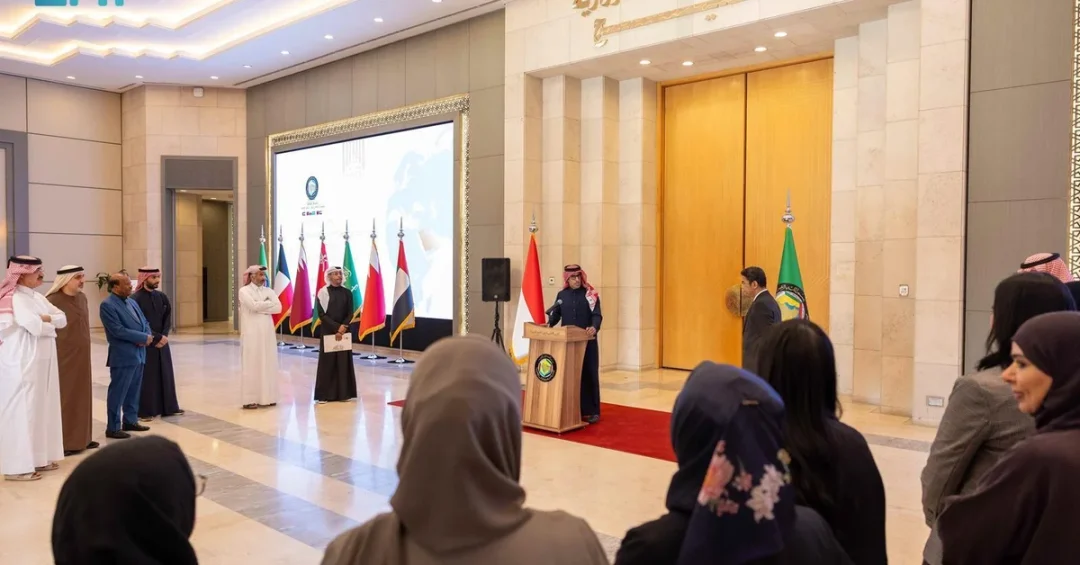
The second round of negotiations for a free-trade agreement (FTA) between the Gulf Cooperation Council (GCC) and Indonesia concluded successfully on February 6, 2025, in Riyadh. The talks, hosted by Saudi Arabia, were led by the General Authority of Foreign Trade (GAFT) with participation from 15 other governmental entities, reflecting the Kingdom’s commitment to deepening economic ties with Southeast Asia.
Context and Background
Running from February 3 to 6, the second round built on the foundation established during the first round in September 2024. That initial round covered a broad range of topics, including trade in goods and services, investment, economic cooperation, and dispute resolution. The negotiations also addressed key areas such as telecommunications, financial services, intellectual property rights, technical barriers to trade, sanitary and phytosanitary measures, rules of origin, digital trade, and the Islamic economy. These discussions align with Saudi Arabia’s Vision 2030 goal of diversifying the economy and expanding international partnerships.
Key Details
The second round aimed to advance progress on the most critical chapters of the proposed FTA, leveraging the momentum from the previous session. Saudi Arabia’s GAFT coordinated the efforts of multiple government agencies, ensuring a comprehensive approach that covers all aspects of a modern trade agreement. The Islamic economy component is particularly significant, as it reflects the shared cultural and economic interests between the GCC and Indonesia, the world’s most populous Muslim-majority nation.
International and Regional Implications
A successful FTA between the GCC and Indonesia would create one of the largest free-trade blocs in the Islamic world, boosting bilateral trade and investment flows. For Saudi Arabia, it strengthens ties with a key Asian partner and supports the Kingdom’s role as a bridge between Asia and the Middle East. The agreement could also serve as a model for future GCC trade negotiations, showcasing the bloc’s ability to engage with diverse economies while protecting the interests of its members.
Vision 2030 Alignment
The GCC-Indonesia FTA negotiations directly support Vision 2030 by promoting economic diversification, increasing non-oil exports, and attracting foreign investment. Saudi Arabia’s leadership in hosting and guiding these talks underscores its commitment to becoming a global logistics and trade hub, in line with the National Industrial Development and Logistics Program. The forward-looking agreement is expected to open new markets for Saudi products and services, creating jobs and driving sustainable growth for decades to come.
20 Questions
Q1. What was the outcome of the second round of GCC-Indonesia FTA negotiations?
A1. The second round concluded successfully in Riyadh, advancing discussions on key trade chapters and building on the progress made in the first round held in September 2024.
Q2. Which Saudi authority led the negotiations?
A2. The General Authority of Foreign Trade (GAFT) led the delegation, with participation from 15 other governmental entities representing various sectors of the Saudi economy.
Q3. When did the second round take place?
A3. The negotiations ran from February 3 to February 6, 2025, hosted in Riyadh, Saudi Arabia.
Q4. What topics were covered in the first round?
A4. The first round covered trade in goods and services, investment, economic cooperation, dispute resolution, and legal texts, as well as specific areas like telecommunications, financial services, and intellectual property rights.
Q5. Why is the Islamic economy component important?
A5. It reflects shared cultural and economic interests between the GCC and Indonesia, the largest Muslim-majority country, and can boost trade in halal products and services.
Q6. How does this FTA support Vision 2030?
A6. It promotes economic diversification, increases non-oil exports, and attracts foreign investment, aligning with Saudi Arabia’s long-term strategic goals.
Q7. What is the significance of digital trade in the negotiations?
A7. Digital trade is a key focus area, as modernizing trade rules for e-commerce can drive innovation and cross-border digital services between the GCC and Indonesia.
Q8. How many government entities participated from Saudi Arabia?
A8. Fifteen other governmental entities participated alongside GAFT, ensuring a comprehensive approach covering tariffs, regulations, and services.
Q9. What previous round set the stage for these talks?
A9. The first round of negotiations began in September 2024 and laid the groundwork by covering a wide array of trade and economic topics.
Q10. Which sectors are expected to benefit most from the FTA?
A10. Sectors such as telecommunications, financial services, intellectual property, and Islamic economy are expected to benefit from improved market access and regulatory cooperation.
Q11. How does the FTA strengthen Saudi-Indonesia relations?
A11. The FTA deepens bilateral economic ties, fostering trade and investment between two major Islamic economies and enhancing strategic cooperation.
Q12. What are sanitary and phytosanitary measures in the context of the FTA?
A12. These measures ensure food safety and animal/plant health standards are harmonized, facilitating trade in agricultural products between GCC states and Indonesia.
Q13. Why are rules of origin important in the agreement?
A13. Rules of origin determine the economic nationality of goods, preventing tariff evasion and ensuring that only products genuinely originating from GCC or Indonesia benefit from preferential tariffs.
Q14. What is the expected timeline for concluding the FTA?
A14. While no specific deadline has been set, the successful conclusion of the second round indicates steady progress toward a final agreement in the near future.
Q15. How does the FTA align with Saudi Arabia’s role as a G20 member?
A15. It reinforces Saudi Arabia’s commitment to free trade and multilateral economic cooperation, advancing G20 objectives for sustainable growth and global trade.
Q16. What role does dispute resolution play in the negotiations?
A16. Dispute resolution mechanisms are essential for providing a fair and transparent process to resolve trade conflicts, encouraging long-term investment and trust.
Q17. How will the FTA impact small and medium enterprises (SMEs)?
A17. By reducing tariffs and simplifying customs procedures, the FTA can open new export opportunities for SMEs in both regions, boosting entrepreneurship and job creation.
Q18. What is the importance of technical barriers to trade in the talks?
A18. Addressing technical barriers ensures that product standards and regulations do not unnecessarily hinder trade, making it easier for companies to export goods and services.
Q19. How does the FTA contribute to Saudi Arabia’s logistics hub ambitions?
A19. By expanding trade with Indonesia, the FTA increases cargo volumes through Saudi ports and airports, supporting the National Industrial Development and Logistics Program.
Q20. What is the next step after the second round?
A20. The negotiating teams will continue to refine the legal texts and provisions, with the next round expected to address remaining chapters and move toward finalization.
Reader Feedback
We value your thoughts. Please share your feedback on this article.
Your feedback helps us improve our coverage.