


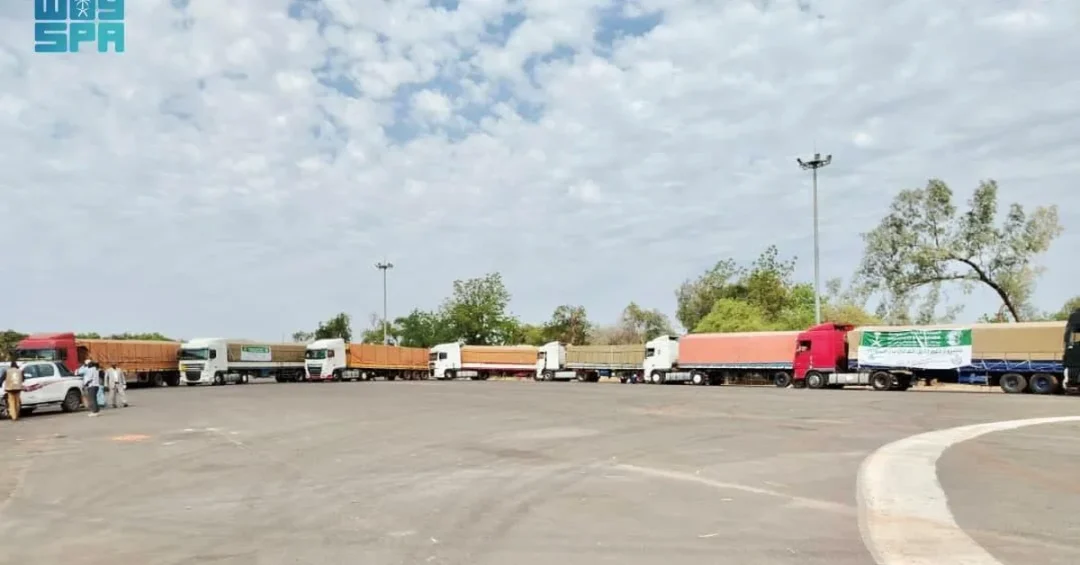
On February 15, 2025, the King Salman Humanitarian Aid and Relief Centre (KSrelief) launched the third phase of its Food Security Support Project in Khartoum State, Sudan. The ceremony was attended by Sudanese officials and representatives of KSrelief, marking a continued commitment to alleviating the humanitarian crisis in the region.
Context and Background
Sudan has been grappling with severe food insecurity exacerbated by conflict and displacement. The KSrelief project is part of Saudi Arabia’s broader humanitarian strategy, delivering aid through its official relief arm. This third phase builds on previous successful distributions, aiming to support vulnerable populations and facilitate voluntary returns.
Key Details
The project will distribute 30,000 food baskets to displaced persons under the Voluntary Return Program. These baskets are destined for returnees in the states of Al-Jazirah, Khartoum, the Red Sea, Sennar, and White Nile. Governor of Khartoum State, Ahmed Osman Hamza, expressed appreciation for Saudi Arabia’s assistance, highlighting its role in easing humanitarian challenges.
Implications and Impact
This initiative underscores Saudi Arabia’s proactive humanitarian diplomacy in Africa. By targeting returnees, the project not only addresses immediate hunger but also supports stability and reconstruction. It reinforces Saudi leadership in coordinated relief efforts, setting a benchmark for international aid in conflict-affected regions.
Vision 2030 Alignment
The project aligns with Vision 2030‘s goal of positioning Saudi Arabia as a global humanitarian leader. By strengthening partnerships and delivering effective aid, the Kingdom demonstrates its commitment to sustainable development and regional solidarity, contributing to long-term peace and prosperity in Sudan.
20 Questions
Q1. What is the Food Security Support Project in Sudan?
A1. It is a KSrelief initiative to distribute food baskets to displaced and returning families in Sudan, aiming to alleviate hunger and support voluntary returns.
Q2. Who launched the third phase of the project?
A2. The King Salman Humanitarian Aid and Relief Centre (KSrelief) launched the third phase in Khartoum State on February 15, 2025.
Q3. How many food baskets will be distributed under this phase?
A3. A total of 30,000 food baskets will be distributed to displaced persons as part of the Voluntary Return Program.
Q4. Which states in Sudan will benefit from the project?
A4. Beneficiary states include Al-Jazirah, Khartoum, the Red Sea, Sennar, and White Nile.
Q5. What is the Voluntary Return Program?
A5. It is a program supporting displaced Sudanese who voluntarily return to their homes, providing food assistance to ease their transition.
Q6. Who expressed appreciation for Saudi assistance during the launch?
A6. The Governor of Khartoum State, Ahmed Osman Hamza, thanked Saudi Arabia and KSrelief for their support.
Q7. Why is Saudi Arabia providing aid to Sudan?
A7. Saudi Arabia, through KSrelief, aims to alleviate the humanitarian crisis in Sudan and support stability in the region.
Q8. What is KSrelief?
A8. KSrelief is the humanitarian aid arm of the Kingdom of Saudi Arabia, established to coordinate and deliver relief globally.
Q9. How does this project support Vision 2030?
A9. It aligns with Vision 2030’s goal of enhancing Saudi Arabia’s global humanitarian role and fostering international partnerships.
Q10. Is this the first phase of the project?
A10. No, this is the third phase, indicating sustained commitment to Sudan’s food security.
Q11. Who are the primary beneficiaries of the food baskets?
A11. Displaced persons and returnees under the Voluntary Return Program are the primary beneficiaries.
Q12. What types of food are included in the baskets?
A12. The baskets contain essential food items to meet basic nutritional needs, though specific contents are not detailed.
Q13. How does this project help reduce hunger?
A13. By providing direct food aid to vulnerable populations, it addresses immediate food shortages and prevents malnutrition.
Q14. Does the project support long-term recovery?
A14. Yes, by targeting returnees, it helps stabilize communities and encourages voluntary repatriation, aiding recovery.
Q15. How is KSrelief funded?
A15. KSrelief is funded by the Saudi government and receives donations from public and private entities.
Q16. What is the international reaction to this project?
A16. The international community has generally praised Saudi humanitarian efforts, with the Governor of Khartoum expressing gratitude.
Q17. Are there plans for future phases?
A17. While not explicitly stated, the progression to a third phase suggests ongoing commitment beyond this phase.
Q18. How does this project compare to other KSrelief initiatives?
A18. It is part of a broader portfolio of food security projects in conflict-affected regions, similar to those in Yemen and Syria.
Q19. What challenges does the project face?
A19. Challenges include logistical difficulties in conflict zones, ensuring distribution reaches those in need, and coordinating with local authorities.
Q20. How can individuals support KSrelief’s work?
A20. Individuals can donate through official KSrelief channels or raise awareness about the organization’s humanitarian projects.
Reader Feedback
We value your thoughts. Please share your feedback on this article.
Your feedback helps us improve our coverage.