


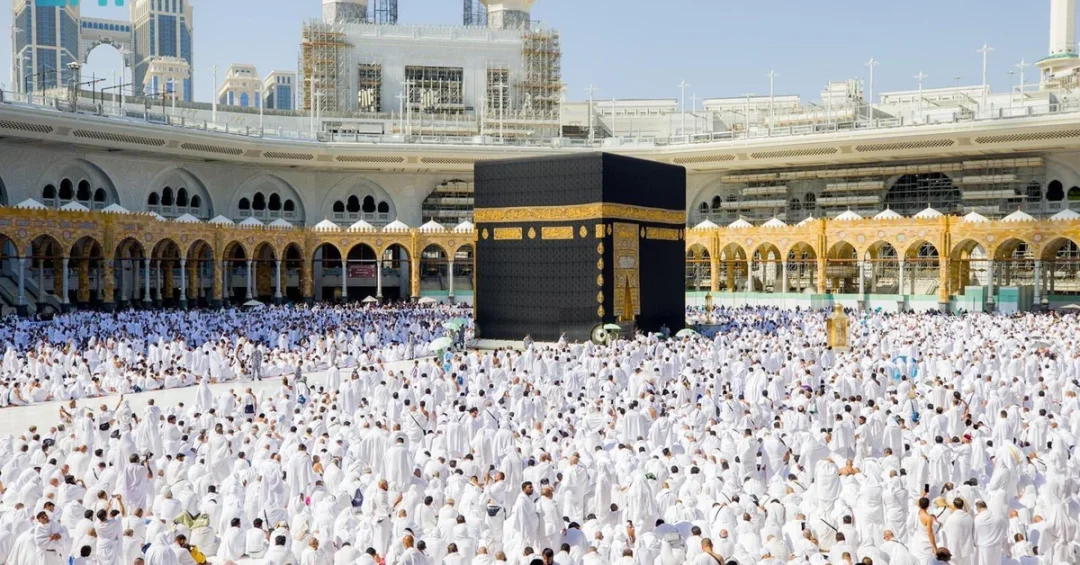
The Presidency of Religious Affairs at the Grand Mosque and the Prophet’s Mosque has finalized its comprehensive operational plan for Ramadan 1446, featuring over 120 scientific, intellectual, and guidance initiatives. The plan, announced by Sheikh Dr. Abdulrahman Al-Sudais, President of Religious Affairs, aims to enrich the spiritual experience of visitors to the Two Holy Mosques during the holy month.
Context and Background
Ramadan is one of the most significant months in the Islamic calendar, marked by fasting, prayer, and reflection. Millions of pilgrims and worshippers flock to the Two Holy Mosques in Makkah and Madinah during this period, making it a critical time for religious and logistical preparations. The Presidency of Religious Affairs has historically played a pivotal role in ensuring a seamless and enriching experience for visitors, aligning with Saudi Arabia’s broader vision to enhance religious tourism and spiritual engagement.
Key Details
The operational plan for Ramadan 1446 is structured around ten enriching tracks, each designed to cater to the diverse needs of worshippers. These tracks include initiatives focused on scientific research, intellectual discourse, and spiritual guidance. Over 120 programs will be implemented, emphasizing the virtues of Ramadan and fostering a deeper connection to Islamic teachings. Sheikh Dr. Abdulrahman Al-Sudais highlighted the importance of these initiatives in enhancing the overall experience for visitors, ensuring they leave with a profound sense of spiritual fulfillment.
Implications and Impact
The initiatives introduced by the Presidency of Religious Affairs are expected to significantly enhance the spiritual environment of the Two Holy Mosques, attracting millions of visitors from around the world. This aligns with Saudi Arabia’s broader goals of promoting religious tourism and showcasing its leadership in facilitating global Islamic pilgrimage. The efforts also underscore the Kingdom’s commitment to preserving Islamic heritage while embracing modernization and innovation in religious services.
Vision 2030 Alignment
These preparations for Ramadan are a testament to Saudi Arabia’s dedication to achieving its Vision 2030 objectives, particularly in enhancing the quality of religious tourism and fostering cultural exchange. By creating a more enriching experience for visitors, the Kingdom strengthens its position as a global leader in facilitating spiritual journeys and promoting Islamic values. This initiative reflects the Kingdom’s ongoing commitment to innovation, hospitality, and excellence in service.
20 Questions
Q1. What is the primary goal of the Presidency of Religious Affairs’ Ramadan plan?
A1. The primary goal is to enhance the spiritual experience of visitors to the Two Holy Mosques through over 120 scientific, intellectual, and guidance initiatives.
Q2. Who announced the operational plan for Ramadan 1446?
A2. Sheikh Dr. Abdulrahman Al-Sudais, President of Religious Affairs at the Grand Mosque and the Prophet’s Mosque, announced the plan.
Q3. How many tracks are included in the Ramadan operational plan?
A3. The plan is centered around ten enriching tracks.
Q4. What types of initiatives are included in the plan?
A4. The initiatives include scientific research, intellectual discourse, and spiritual guidance programs.
Q5. How many programs are part of the Ramadan initiatives?
A5. Over 120 programs are part of the Ramadan initiatives.
Q6. What is the significance of Ramadan in the Islamic calendar?
A6. Ramadan is a holy month marked by fasting, prayer, and reflection, attracting millions of pilgrims to the Two Holy Mosques.
Q7. How does the plan align with Saudi Arabia’s Vision 2030?
A7. The plan aligns with Vision 2030 by enhancing religious tourism and showcasing Saudi Arabia’s leadership in facilitating global Islamic pilgrimage.
Q8. What role does the Presidency of Religious Affairs play during Ramadan?
A8. The Presidency ensures a seamless and enriching experience for visitors to the Two Holy Mosques during Ramadan.
Q9. What are the Two Holy Mosques?
A9. The Two Holy Mosques are the Grand Mosque in Makkah and the Prophet’s Mosque in Madinah.
Q10. How do the initiatives benefit visitors?
A10. The initiatives foster a deeper connection to Islamic teachings and enhance spiritual fulfillment for visitors.
Q11. What is the focus of the scientific initiatives?
A11. The scientific initiatives focus on research and intellectual discourse related to Islamic teachings.
Q12. How does Saudi Arabia promote religious tourism?
A12. Saudi Arabia promotes religious tourism by enhancing the infrastructure and services at the Two Holy Mosques.
Q13. What is the role of Sheikh Dr. Abdulrahman Al-Sudais?
A13. Sheikh Dr. Abdulrahman Al-Sudais leads the Presidency of Religious Affairs and oversees the Ramadan operational plan.
Q14. How do the initiatives preserve Islamic heritage?
A14. The initiatives emphasize the virtues of Ramadan and foster a deeper understanding of Islamic teachings.
Q15. What is the expected impact of the Ramadan initiatives?
A15. The initiatives are expected to enhance the spiritual environment and attract millions of visitors to the Two Holy Mosques.
Q16. How does the plan reflect Saudi Arabia’s modernization efforts?
A16. The plan reflects modernization by incorporating innovative approaches to religious services and hospitality.
Q17. What is the significance of the Two Holy Mosques during Ramadan?
A17. The Two Holy Mosques are central to Ramadan pilgrimage and worship, attracting millions of visitors annually.
Q18. How does the plan contribute to cultural exchange?
A18. The plan fosters cultural exchange by welcoming visitors from diverse backgrounds to the Two Holy Mosques.
Q19. What is the role of intellectual discourse in the initiatives?
A19. Intellectual discourse encourages deeper understanding and engagement with Islamic teachings during Ramadan.
Q20. How do the initiatives align with Islamic values?
A20. The initiatives align with Islamic values by promoting spiritual growth, education, and community engagement during Ramadan.
Reader Feedback
We value your thoughts. Please share your feedback on this article.
Your feedback helps us improve our coverage.