


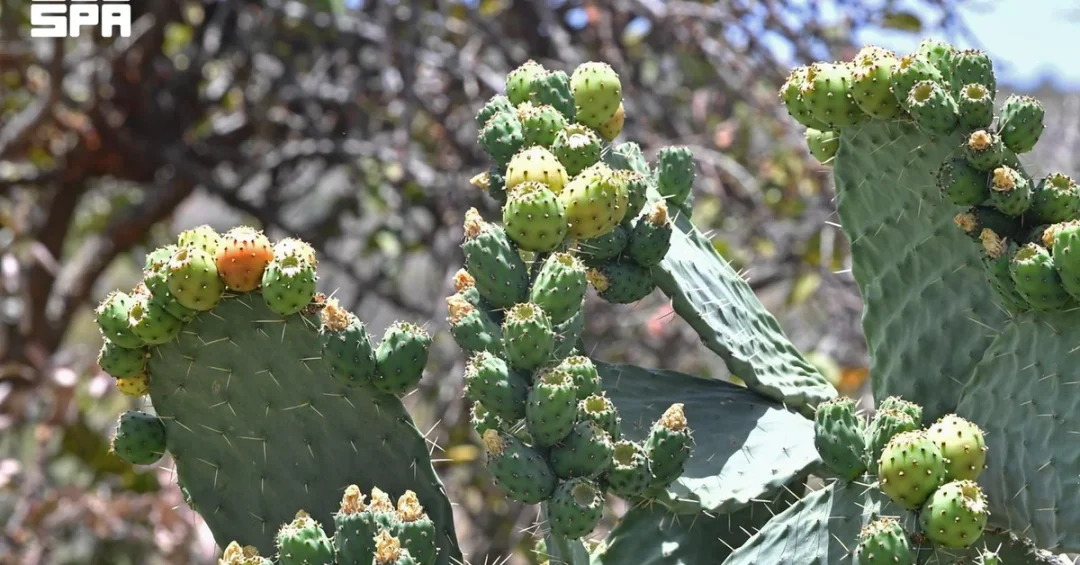
The prickly pear cactus, known locally in the Asir region as “al-Barshomi,” has returned with the harvest season, reappearing in markets and tourist sites across the province. This seasonal phenomenon has become a hallmark of summer in Asir, drawing visitors and locals alike to taste the vibrant fruit while supporting local farmers and rural families.
Context and Background
Asir, a mountainous region in southwestern Saudi Arabia, is renowned for its unique climate and agricultural diversity. The al-Barshomi cactus thrives in this environment, and its fruit has been a staple of the local diet for generations. The harvest season, which typically peaks in late summer, transforms the region’s landscape as the cactus plantations, bordering villages and winding mountain roads, burst with colorful fruits. This year’s harvest, which began in earnest around mid-August 2026, coincides with a surge in domestic tourism, as Saudis and international visitors explore the Kingdom’s natural beauty.
Key Details
According to the Saudi Press Agency (SPA), the al-Barshomi fruit is now prominently displayed in markets and stalls near tourist attractions and along roads leading to parks. The fruit comes in a variety of colors—from green to yellow to deep red—each offering a unique taste that appeals to a wide audience. The increased demand has created economic opportunities for farmers and rural families, who see a significant boost in income during this period. Local vendors report that sales have been brisk, with many tourists buying the fruit as a souvenir or to enjoy on the spot.
Implications and Impact
The resurgence of al-Barshomi highlights the growing importance of local agriculture in Saudi Arabia’s tourism strategy. By integrating authentic agricultural experiences into the tourist itinerary, the Kingdom is diversifying its tourism offerings beyond traditional attractions. This not only enriches the visitor experience—allowing them to connect with the land and its people—but also stimulates rural economies. The success of this season may encourage further investment in agricultural tourism, creating a sustainable model that benefits both farmers and the hospitality sector.
Vision 2030 Alignment
The al-Barshomi harvest is a testament to Saudi Arabia’s commitment to Vision 2030, which emphasizes economic diversification and the development of the tourism sector. By promoting such local products, the Kingdom is fostering a culture of entrepreneurship and self-sufficiency, while also preserving its cultural heritage. As Asir continues to attract visitors seeking unique experiences, the al-Barshomi season stands as a shining example of how traditional practices can be leveraged for modern economic growth, contributing to a vibrant and resilient society.
20 Questions
Q1. What is al-Barshomi?
A1. Al-Barshomi is the local name for the prickly pear cactus fruit in the Asir region of Saudi Arabia. It is a seasonal fruit that appears in markets and tourist areas during the summer harvest.
Q2. Why is al-Barshomi significant to Asir?
A2. Al-Barshomi is an integral part of Asir’s agricultural and tourism landscape. Its harvest season marks a time of economic opportunity for farmers and adds to the region’s cultural identity.
Q3. When does the al-Barshomi harvest season occur?
A3. The harvest season typically peaks in late summer, with the fruit appearing in markets from mid-August. The exact timing can vary slightly each year.
Q4. How does al-Barshomi benefit local farmers?
A4. The increased demand for al-Barshomi during the harvest season provides a significant source of income for farmers and rural families, helping to sustain their livelihoods.
Q5. Where can visitors find al-Barshomi?
A5. Visitors can find al-Barshomi in local markets, stalls near tourist attractions, and along roads leading to parks in the Asir region.
Q6. What colors does the al-Barshomi fruit come in?
A6. The fruit comes in a variety of colors, including green, yellow, and deep red, each offering a distinct flavor profile.
Q7. How does al-Barshomi contribute to tourism in Asir?
A7. Al-Barshomi adds a unique agricultural experience for tourists, allowing them to taste local products and engage with the region’s rural culture, enhancing their overall visit.
Q8. What role does the Saudi Press Agency play in reporting al-Barshomi?
A8. The Saudi Press Agency (SPA) provides official news coverage of al-Barshomi, sharing information about the harvest and its impact on the region.
Q9. Is al-Barshomi popular among international tourists?
A9. Yes, the fruit is gaining popularity among international visitors seeking authentic experiences, and its unique taste is often highlighted as a highlight of their trip.
Q10. What is the economic impact of al-Barshomi on rural communities?
A10. The harvest season boosts the local economy by creating additional sales opportunities for rural products, thus improving the financial stability of farming families.
Q11. How is al-Barshomi linked to Vision 2030?
A11. Al-Barshomi supports Vision 2030 by promoting economic diversification and tourism development, showcasing local products and creating new revenue streams.
Q12. Are there any health benefits associated with al-Barshomi?
A12. Al-Barshomi is rich in antioxidants, vitamins, and fiber, making it a healthy snack. Its natural properties are increasingly recognized by health-conscious consumers.
Q13. Can visitors purchase al-Barshomi as a souvenir?
A13. Yes, many tourists buy al-Barshomi as a souvenir, and some stalls offer packaged versions for easy transport.
Q14. Does al-Barshomi contribute to the preservation of local traditions?
A14. Yes, the cultivation and sale of al-Barshomi preserve traditional agricultural practices and help pass them down to future generations.
Q15. What makes al-Barshomi unique compared to other fruits?
A15. Its unique taste, vibrant colors, and the specific climate of Asir make al-Barshomi distinct. It is also a symbol of the region’s agricultural heritage.
Q16. Are there any festivals celebrating al-Barshomi?
A16. While there is no official festival, the harvest season creates a festive atmosphere, with markets and stalls bustling with activity and cultural exchange.
Q17. How does al-Barshomi affect traffic and road accessibility?
A17. The popularity of al-Barshomi can lead to increased traffic near markets and tourist sites, but local authorities manage this efficiently to ensure a smooth experience.
Q18. What are the future prospects for al-Barshomi?
A18. With growing interest in local tourism, the future looks promising. There is potential for product diversification, such as jams or dried fruit, to extend the season’s economic benefits.
Q19. How does al-Barshomi support the Kingdom’s food security goals?
A19. By promoting local fruit consumption, al-Barshomi reduces reliance on imported goods, contributing to the Kingdom’s food security objectives.
Q20. Where can I find more information about al-Barshomi?
A20. For more information, you can consult official Saudi sources such as the Saudi Press Agency or visit the Asir region’s tourism websites, which provide detailed guides and updates.
Reader Feedback
We value your thoughts. Please share your feedback on this article.
Your feedback helps us improve our coverage.