


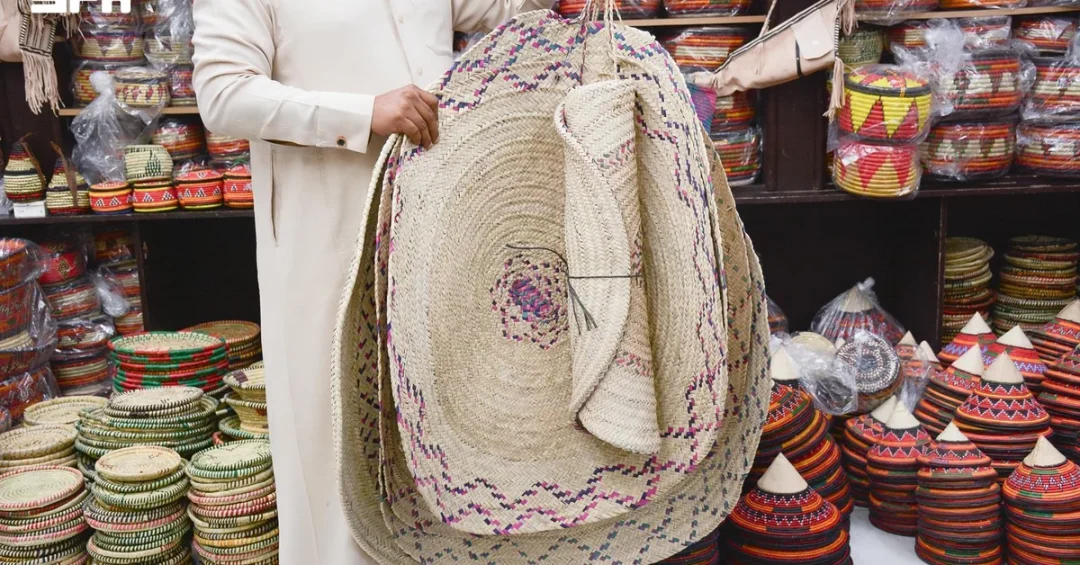
The Saudi Press Agency reported on August 17, 2026, that the traditional craft of palm leaf weaving in Najran Province continues to thrive, showcasing the artisans’ skill in using local materials to create versatile products. This enduring craft, which has been passed down through generations, reflects a deep connection between the people and their environment, turning natural resources into items that have been integral to daily life for centuries.
Context and Background
Palm leaf weaving in Najran is a testament to the region’s rich cultural heritage. Historically, artisans utilized palm leaves and fibers to craft essential items such as mats, cushions, baskets, bags, fans, brooms, and ropes. This craft not only provided practical solutions for everyday needs but also became a symbol of the community’s ingenuity and resourcefulness. Over time, the craft has evolved, incorporating both traditional and modern artistic elements, thereby preserving its relevance in contemporary times.
Key Details
The ancient traditional market in the Aba al-Saud neighborhood showcases a wide array of palm leaf products, attracting visitors with their intricate weaving techniques, diverse shapes, and vibrant colors. These products not only demonstrate the artisans’ expertise but also offer a glimpse into the region’s cultural identity. The market serves as a living museum, where the legacy of palm leaf weaving is celebrated and sustained.
Implications and Impact
The preservation and promotion of palm leaf weaving have significant implications for local communities and the broader Saudi society. By supporting traditional crafts, the Kingdom is fostering economic opportunities for artisans, particularly in rural areas, while also promoting cultural tourism. Visitors to Najran are not only purchasing handcrafted goods but are also engaging with a tradition that embodies the Kingdom’s commitment to preserving its heritage. This aligns with global trends that value authentic cultural experiences and sustainable practices.
Vision 2030 Alignment
The ongoing vitality of palm leaf weaving in Najran is a clear reflection of Saudi Arabia’s Vision 2030, which emphasizes the importance of preserving cultural heritage and promoting sustainable economic diversification. By investing in traditional crafts and cultural tourism, the Kingdom is creating new opportunities for local communities while showcasing its rich history to the world. This craft, with its deep roots in the environment, exemplifies how Saudi Arabia is balancing modernization with cultural authenticity, ensuring that the legacy of past generations continues to inspire future ones.
20 Questions
Q1. What is the traditional craft discussed in the article?
A1. The traditional craft is palm leaf weaving in Najran Province, Saudi Arabia, which involves using palm leaves and fibers to create various products such as mats, baskets, and bags.
Q2. Who reported on this craft?
A2. The Saudi Press Agency (SPA) reported on the craft on August 17, 2026, as part of its coverage of Saudi heritage and cultural practices.
Q3. What materials are used in palm leaf weaving?
A3. The primary materials are palm leaves and fibers, which are local and sustainable resources found abundantly in Najran.
Q4. What products are made from palm leaves?
A4. Artisans create mats, cushions, baskets, bags, fans, brooms, and ropes, among other items.
Q5. How long has this craft been practiced?
A5. The craft has been practiced for centuries, passed down through generations as a cultural tradition in Najran.
Q6. Where can visitors see these products?
A6. Visitors can see a wide array of palm leaf products at the ancient traditional market in the Aba al-Saud neighborhood in Najran.
Q7. What is the significance of the craft to the local community?
A7. The craft is significant because it provides practical household items and serves as a symbol of cultural identity and heritage, strengthening community bonds.
Q8. How has the craft evolved over time?
A8. The craft has evolved by integrating traditional and modern artistic elements, allowing it to remain relevant while preserving its core techniques.
Q9. What is the role of the market in preserving this craft?
A9. The market plays a crucial role in preserving the craft by providing a venue for artisans to display and sell their products, thus keeping the tradition alive.
Q10. How does this craft contribute to tourism in Saudi Arabia?
A10. The craft attracts cultural tourists interested in authentic experiences, thereby boosting local tourism and supporting Saudi Arabia’s broader tourism goals.
Q11. What are the benefits of supporting traditional crafts for the economy?
A11. Supporting traditional crafts creates economic opportunities for artisans, especially in rural areas, and promotes sustainable economic diversification.
Q12. How does palm leaf weaving reflect the relationship between people and environment?
A12. It reflects a deep connection by using local natural materials sustainably, demonstrating how communities have adapted to and respected their environment.
Q13. What is Vision 2030’s stance on cultural heritage?
A13. Vision 2030 emphasizes preserving cultural heritage and promoting it as part of the Kingdom’s identity and economic diversification strategy.
Q14. How does this craft align with sustainability goals?
A14. The use of renewable palm leaves and traditional methods aligns with sustainability goals by promoting eco-friendly practices and reducing waste.
Q15. What can visitors learn from the palm leaf products?
A15. Visitors can learn about the region’s history, culture, and the artisans’ craftsmanship, which are integral to understanding Najran’s heritage.
Q16. Are there any educational aspects to the craft?
A16. Yes, the craft offers educational value in understanding traditional artisanal skills, cultural practices, and the importance of preserving intangible heritage.
Q17. How does the craft support community development?
A17. It provides income for local artisans, encourages skill preservation, and fosters a sense of pride and continuity within the community.
Q18. What is the typical style of the woven products?
A18. The products feature intricate weaving patterns, a variety of shapes, and vibrant colors, showcasing the artisans’ creativity and attention to detail.
Q19. How can the international community engage with this craft?
A19. The international community can engage through cultural exchanges, purchasing authentic products, or visiting Najran to witness the craft firsthand, thereby supporting its continuation.
Q20. What is the future outlook for palm leaf weaving in Najran?
A20. The future outlook is positive, as there is growing interest in heritage crafts and sustainable practices, ensuring that this tradition remains an integral part of Saudi culture.
Reader Feedback
We value your thoughts. Please share your feedback on this article.
Your feedback helps us improve our coverage.