


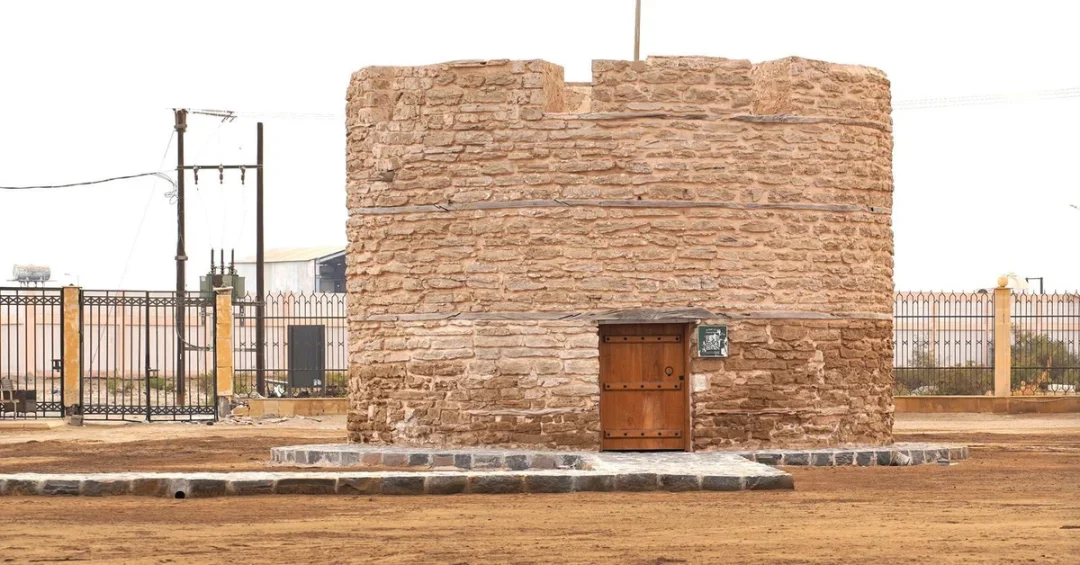
The historic Al-Qunfudhah Mill, located on the coast of Al-Qunfudhah city, stands as a distinguished architectural landmark that demonstrates how residents harnessed wind power and natural resources to grind grains and meet local community needs over two centuries ago. This cylindrical structure, approximately 7 meters in diameter and 7 meters in height, with walls nearly one meter thick, was built using local marine stone known as ‘coastal flat stones,’ reflecting the ingenuity and adaptability of the region’s early inhabitants.
Context and Background
The mill’s significance is deeply intertwined with Al-Qunfudhah’s historical identity and its longstanding connection to the sea, trade, travel, and maritime communications. As one of the region’s historical monuments, it tells a part of the cultural, social, and economic heritage of Saudi Arabia’s western coast. The Saudi Press Agency (SPA) recently highlighted the mill as a testament to the area’s rich past and architectural resilience.
Al-Qunfudhah, a coastal city in the Makkah Province, has historically served as a vital port and trading hub, linking the Arabian Peninsula with maritime routes across the Red Sea. The mill played a crucial role in supporting the local economy by processing wheat and other grains, a staple food source for the community. Its strategic location near the coast allowed for easy access to both sea breezes and agricultural produce from inland areas.
Key Details of the Mill’s Architecture
The mill’s cylindrical design and thick walls are not merely aesthetic but functional, providing stability against strong coastal winds and protecting the interior from harsh weather conditions. The use of local ‘coastal flat stones’ not only ensured durability but also demonstrated an early understanding of sustainable building practices, utilizing materials readily available in the environment. This architectural approach has allowed the mill to withstand the test of time, remaining a prime example of the integration of function, traditional architecture, and natural resources.
According to SPA, the mill stands about 7 meters in diameter and height, with walls approximately one meter thick. These dimensions highlight the substantial scale of the structure, which would have been capable of serving a significant portion of the local population. The design likely featured a wind-catching mechanism, although specific details have not been fully disclosed, the mill’s enduring presence underscores its historical importance.
Implications for Heritage and Tourism
The Al-Qunfudhah Mill represents a growing interest in preserving Saudi Arabia’s architectural heritage. As the Kingdom diversifies its economy under Vision 2030, heritage sites like this mill are being recognized for their tourism potential and cultural value. The mill offers visitors a tangible connection to the past, illustrating the daily lives of coastal communities and their innovative use of natural resources. This aligns with Saudi Arabia’s broader efforts to develop the tourism sector and attract international visitors to explore its rich history and culture.
The preservation of such sites also contributes to the Kingdom’s commitment to safeguarding its cultural identity while embracing modernization. By highlighting landmarks like the mill, Saudi Arabia showcases its historical depth, fostering a sense of national pride and educating both locals and visitors about the ingenuity of previous generations.
Vision 2030 Alignment
The restoration and promotion of historical sites like the Al-Qunfudhah Mill are a testament to Saudi Arabia’s dedication to Vision 2030, particularly its goals to enrich the cultural and tourism sectors. By preserving and presenting these heritage assets, the Kingdom not only honors its past but also builds a vibrant future that welcomes global engagement and economic diversification. As the country continues to invest in its heritage and culture, the mill stands as a symbol of sustainability, resilience, and the enduring spirit of Saudi Arabia.
20 Questions
Q1. What is the Al-Qunfudhah Mill?
A1. The Al-Qunfudhah Mill is a historic windmill located on the coast of Al-Qunfudhah city in Saudi Arabia. It was used over two centuries ago to grind grains using wind power, reflecting the ingenuity of local residents in utilizing natural resources.
Q2. Where is the Al-Qunfudhah Mill located?
A2. The mill is situated on the coast of Al-Qunfudhah city, which lies in the Makkah Province of Saudi Arabia, along the Red Sea coast. Its coastal position was key to its function and historical significance.
Q3. How old is the Al-Qunfudhah Mill?
A3. The mill is over 200 years old, dating back to a period when the region relied on wind power for milling grains. Its exact construction date is not specified in the source, but it stands as a testament to historical engineering.
Q4. What are the dimensions of the mill?
A4. The mill is approximately 7 meters in diameter and 7 meters in height, with walls nearly one meter thick. These substantial dimensions indicate a large structure capable of serving the local community.
Q5. What materials were used to build the mill?
A5. The mill was built using local marine stones known as ‘coastal flat stones’ (or ‘sang-e-sath’ in Persian). These stones were readily available and provided durability, showcasing sustainable building practices.
Q6. How did the mill operate?
A6. The mill likely used wind power to rotate a mechanism that ground grains, though specific details of the mechanism are not provided. Its cylindrical design and thick walls would have supported a wind-catching system.
Q7. Why is the mill historically significant?
A7. The mill is significant because it represents the cultural, social, and economic heritage of Saudi Arabia’s western coast. It illustrates how communities adapted to their environment and met local needs using renewable energy sources.
Q8. What role did the mill play in the community?
A8. The mill was essential for grinding grains into flour, a staple food for the community. It likely served as a central facility for local residents, contributing to food security and economic activity.
Q9. How does the mill reflect traditional architecture?
A9. The mill reflects traditional architecture through its cylindrical shape, thick walls, and use of local materials. These features showcase an understanding of environmental adaptation and sustainable construction.
Q10. What is the condition of the mill today?
A10. The mill stands today as a historical monument, although its state of preservation is not detailed. Its presence through centuries highlights its structural integrity and importance to the region’s heritage.
Q11. What is the cultural importance of the mill?
A11. The mill is a cultural landmark that tells the story of coastal life in Saudi Arabia. It is part of the collective memory and identity of Al-Qunfudhah, symbolizing resilience and innovation.
Q12. How does the mill relate to trade and maritime history?
A12. Al-Qunfudhah was a historical port, and the mill’s proximity to the sea connects it to trade and maritime communications. It supported the local economy that thrived on maritime activities.
Q13. What efforts are being made to preserve the mill?
A13. The mill’s preservation is part of broader Saudi initiatives to protect heritage sites. While specific efforts are not mentioned, its recognition by authorities indicates a commitment to safeguarding cultural assets.
Q14. How does the mill contribute to tourism?
A14. The mill serves as a tourist attraction, offering visitors insight into historical engineering and coastal life. It aligns with Saudi Arabia’s Vision 2030 to boost cultural tourism.
Q15. What does the mill symbolize for Saudi Arabia?
A15. The mill symbolizes the Kingdom’s rich history and its people’s ingenuity. It represents a legacy of sustainable practices that resonates with modern environmental and economic goals.
Q16. What is the Saudi Press Agency’s role in highlighting such sites?
A16. The Saudi Press Agency (SPA) acts as an official source, sharing stories of heritage sites like the mill to educate the public and promote national pride. Its coverage supports cultural preservation.
Q17. How does the mill align with Vision 2030?
A17. The mill aligns with Vision 2030 by supporting cultural tourism, heritage preservation, and economic diversification. It showcases Saudi Arabia’s history and enhances its appeal as a global destination.
Q18. What can visitors learn from the mill?
A18. Visitors can learn about traditional milling techniques, sustainable architecture, and the daily lives of coastal communities. It offers a tangible link to the past and an appreciation for historical innovation.
Q19. Has the mill been restored?
A19. The article does not specify restoration details, but its continued existence suggests some level of preservation. Authorities likely maintain such sites to ensure their longevity.
Q20. What is the future outlook for the mill?
A20. With growing interest in heritage tourism, the mill is likely to receive more attention and investment. It will serve as an educational and cultural site, contributing to the region’s economic growth.
Reader Feedback
We value your thoughts. Please share your feedback on this article.
Your feedback helps us improve our coverage.