


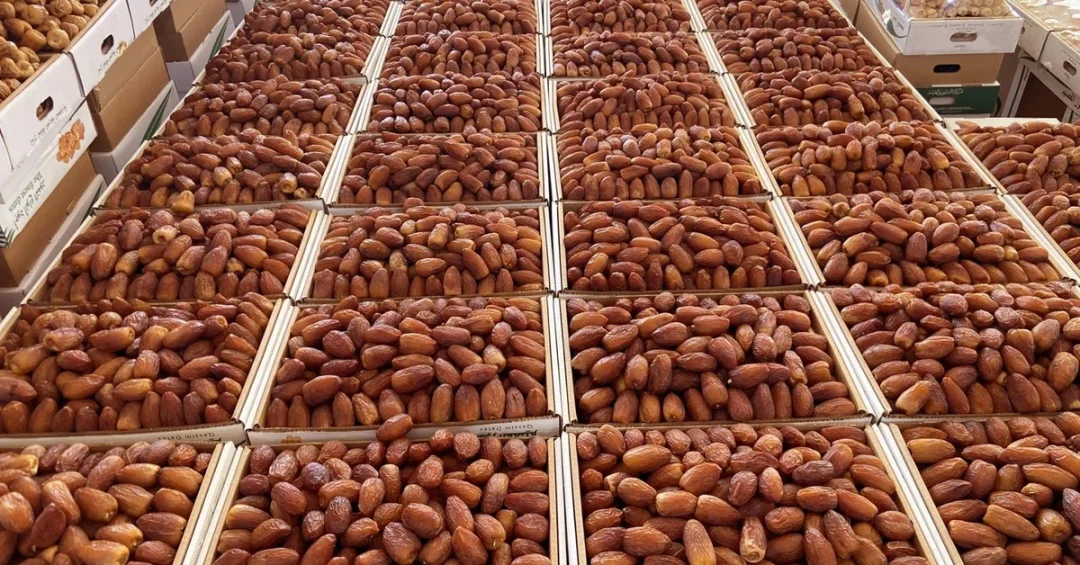
The Bukeiriyah Date Market in Saudi Arabia’s Qassim region is witnessing a thriving commercial and agricultural season in 2026, showcasing a diverse range of local produce and attracting farmers, traders, and buyers. Held under the umbrella of the National Center for Palms and Dates’ seasonal markets system, the event underscores the vital role of the palm and date sector in the region’s economy. Located on King Salman Road, adjacent to the vegetable market, the market offers dedicated spaces for auctions, sales, and ancillary services, according to the Saudi Press Agency.
Context and Background
The Bukeiriyah Date Market operates as part of Saudi Arabia’s broader efforts to modernize the agricultural sector and enhance the efficiency of date marketing. Aligned with the Kingdom’s Vision 2030, which emphasizes economic diversification and rural development, the market serves as a strategic platform to promote local dates, support farmers, and improve product quality. The Qassim region, renowned for its date palm cultivation, benefits significantly from this organized approach to trade, which moves beyond traditional methods to ensure better market access and value addition.
Key Details
This season’s market features the Sukkari date as a leading product, alongside other date varieties differentiated by quality, size, ripeness, and packaging. Prices are determined based on type, quality, supply and demand, and packaging methods. The daily auction is the core activity, bringing together farmers, merchants, and buyers for direct trade, facilitated by the market’s purpose-built facilities. The market also stimulates related sectors such as transportation, loading, packaging, marketing, and retail, creating employment opportunities for youth, small businesses, and producer families.
Implications and Impact
The Bukeiriyah Date Market has significant economic and social implications for Qassim and beyond. It enhances the region’s agricultural productivity and marketing reach, boosts income for local farmers, and encourages the growth of date processing industries and food applications. Furthermore, the market adds a cultural and tourism dimension, offering visitors a glimpse into Saudi Arabia’s agricultural heritage and authentic local traditions. This integration of commerce and culture strengthens the rural economy and supports sustainable community development, aligning with Vision 2030’s goals to empower local regions and improve quality of life.
Vision 2030 Alignment
The success of the 2026 Bukeiriyah Date Market is a testament to Saudi Arabia’s commitment to Vision 2030, particularly its goals of economic diversification, agricultural sustainability, and rural prosperity. By fostering an organized, quality-driven date trade, the Kingdom is not only preserving its heritage but also creating new economic opportunities that contribute to a vibrant and resilient economy. This forward-looking approach positions the date sector as a key pillar of non-oil growth, reinforcing Saudi Arabia’s global standing as a leader in date production and innovation.
20 Questions
Q1. What is the Bukeiriyah Date Market?
A1. The Bukeiriyah Date Market is a seasonal agricultural market in Qassim, Saudi Arabia, focused on trading dates. It provides a dedicated space for farmers, traders, and buyers to engage in auctions and sales, showcasing local date varieties and supporting the region’s agricultural economy.
Q2. Where is the Bukeiriyah Date Market located?
A2. The market is located on King Salman Road in Bukeiriyah, Qassim, adjacent to the vegetable market. Its strategic location ensures easy access for farmers, traders, and visitors, and its facilities are designed to handle large volumes of produce and transactions.
Q3. When does the 2026 season take place?
A3. The 2026 season of the Bukeiriyah Date Market takes place during the date harvest period in Qassim, which typically runs from around August to October. The official opening was reported in August 2026, with activities continuing throughout the season as per Saudi Press Agency announcements.
Q4. Who organizes the Bukeiriyah Date Market?
A4. The market is organized in coordination with the National Center for Palms and Dates, a Saudi government agency, along with other relevant entities. The center oversees the seasonal markets system to enhance marketing efficiency and promote date quality, reflecting the Kingdom’s commitment to developing the palm sector.
Q5. What are the main objectives of the market?
A5. The main objectives include improving marketing efficiency, raising product quality and services, strengthening the presence of local dates in domestic and international markets, and boosting the income of farmers. It also aims to support related industries and create economic opportunities for youth and small businesses.
Q6. Which date varieties are featured?
A6. The Sukkari date is the leading variety, but the market also features other types with varying qualities, sizes, ripeness, and packaging. This variety allows buyers to choose from a range of options, catering to different tastes and uses, and highlights the diversity of Qassim’s date production.
Q7. How are date prices determined?
A7. Prices are determined based on several factors, including the type of date, its quality (e.g., texture, sweetness), size, level of ripeness, packaging method, and market supply and demand dynamics. Daily auctions reflect real-time market conditions, ensuring fair and competitive pricing.
Q8. What role do auctions play in the market?
A8. Auctions are the central activity of the market, where farmers, merchants, and buyers engage in direct trading. This system ensures transparency and efficiency, helping to establish market prices and facilitating bulk sales, which benefit both producers and buyers.
Q9. How does the market support farmers?
A9. The market supports farmers by providing a structured outlet to sell their produce, reducing marketing costs, and improving access to buyers. It also promotes quality standards and helps farmers gain better returns, thereby stabilizing their income and encouraging investment in date cultivation.
Q10. What other sectors benefit from the market?
A10. Beyond direct date sales, the market stimulates sectors such as transportation, loading, packaging, marketing, and retail. It also boosts demand for date processing industries and food products, creating a multiplier effect that positively impacts the local and regional economy.
Q11. How does the market create employment opportunities?
A11. The market generates seasonal employment in various roles, including logistics, packaging, sales, and customer service. It also encourages entrepreneurship among youth, allowing them to start small businesses in date trading, ancillary services, and value-added product development.
Q12. What is the significance of Qassim in date production?
A12. Qassim is one of Saudi Arabia’s most important date-producing regions, known for its high-quality dates, particularly Sukkari. The region’s favorable climate and agricultural expertise make it a key contributor to the Kingdom’s date output, and the market helps sustain and enhance its reputation.
Q13. How does the market contribute to tourism?
A13. The market attracts visitors interested in Saudi agricultural heritage, offering a cultural experience alongside commercial activities. Tourists can observe traditional trading practices, sample local dates, and explore the region’s heritage, making it a unique agro-tourism destination.
Q14. What efforts are made to ensure date quality?
A14. The market emphasizes quality by establishing standards for ripeness, size, and packaging. The National Center for Palms and Dates likely provides guidelines and oversight to ensure that dates meet expected standards, thereby protecting consumer trust and enhancing the market’s reputation.
Q15. How does the market align with Vision 2030?
A15. The market aligns with Vision 2030 by promoting economic diversification, enhancing agricultural productivity, and supporting rural communities. It also contributes to the goal of building a thriving economy by fostering new income streams and creating a more resilient agricultural sector.
Q16. What are the economic benefits for the local community?
A16. The market provides a direct income source for farmers and traders, stimulates local businesses in logistics and retail, and attracts spending to the area. This investment in the local economy helps improve livelihoods and infrastructure, benefiting the wider community.
Q17. Are there opportunities for small businesses?
A17. Yes, the market creates opportunities for small businesses, including those involved in packaging, transportation, and date-based food products. Entrepreneurs can access a ready customer base and collaborate with local farms, helping to grow their ventures and create jobs.
Q18. How does the market preserve agricultural heritage?
A18. By showcasing traditional date varieties and trading methods, the market helps preserve Qassim’s agricultural heritage. It also educates new generations about the importance of date cultivation, ensuring that this cultural legacy is passed on while being integrated into modern commerce.
Q19. What are the future prospects for the market?
A19. The market is likely to expand in scale and sophistication, with potential improvements in digital trading platforms, enhanced processing facilities, and greater international marketing. Continued government support through Vision 2030 could position it as a model for agricultural markets in the region.
Q20. How does the market support female entrepreneurs?
A20. The market may offer opportunities for women, particularly in small businesses related to date packaging, food preparation, and value-added products. Women can participate as entrepreneurs or employees, contributing to economic empowerment and aligning with Vision 2030’s emphasis on women’s participation in the workforce.
Reader Feedback
We value your thoughts. Please share your feedback on this article.
Your feedback helps us improve our coverage.