


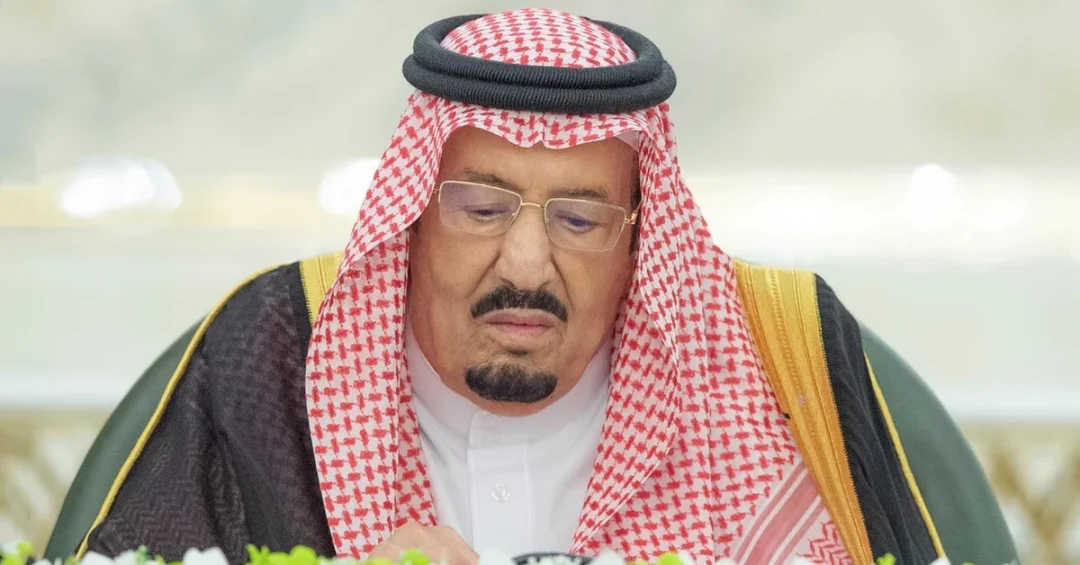
Custodian of the Two Holy Mosques King Salman bin Abdulaziz Al Saud chaired the Saudi Cabinet session held in Jeddah on Tuesday, 18 August 2026, where ministers reviewed regional and international developments and approved a series of strategic decisions aimed at advancing the Kingdom’s domestic and global priorities. The session, as reported by the Saudi Press Agency, covered the activation of a multinational naval defense coalition, renewed condemnation of Iranian attacks on commercial vessels, and the establishment of a Saudi-Sudanese coordination council, alongside domestic advancements in education, digital services, and the Public Investment Fund’s performance.
Context and Background
The Cabinet session comes amid heightened regional tensions and Saudi Arabia’s ongoing efforts to bolster security and stability across the Middle East and beyond. The Kingdom has consistently positioned itself as a leader in multilateral cooperation, evidenced by its recent launch of a multinational naval defense coalition aimed at protecting maritime routes and global supply chains. This initiative reflects Saudi Arabia’s commitment to upholding international law and ensuring the free flow of trade, particularly in critical chokepoints like the Strait of Hormuz.
Additionally, the session highlighted Saudi Arabia’s diplomatic engagements with friendly and brotherly nations, underscoring the Kingdom’s role as a bridge builder in the region. The creation of the Saudi-Sudanese coordination council is a testament to the deep-rooted ties between the two countries, and its institutional framework is designed to deliver tangible outcomes in trade, investment, and cultural exchange.
Key Details
During the session, the Cabinet welcomed the operational activation of the multinational naval defense coalition, following the completion of its organizational and planning frameworks. This coalition, launched by Saudi Arabia, aims to enhance collective maritime security, protect navigation freedom, and safeguard international trade continuity. The Cabinet also renewed its categorical rejection of repeated Iranian attacks on ships and commercial tankers, labeling them a serious escalation and a direct threat to maritime safety, in violation of international laws and UN Security Council resolutions.
On the bilateral front, the Cabinet approved the establishment of the Saudi-Sudanese coordination council, which will institutionalize cooperation across multiple sectors. In addition, several memorandums of understanding were authorized, including agreements with Malaysia on nuclear safety and security, with Kuwait on public-private partnerships, and with Tunisia on consumer protection. The Cabinet also approved a cooperation memorandum with New Zealand on customs matters and a model agreement for information exchange under the Globe E network for anti-corruption law enforcement.
Domestically, the Cabinet praised the performance of the Public Investment Fund, which reported growth in revenues and net profits for 2025, while continuing to drive economic diversification in alignment with Vision 2030. It also commended the progress made by government entities in the 2026 Digital Experience Maturity Index, reflecting the Kingdom’s commitment to delivering efficient and innovative public services. Additionally, the Cabinet approved the organization of the National Center for Curricula and endorsed the final accounts for several universities, alongside a series of diplomatic appointments and promotions.
Implications and Impact
The decisions taken during this Cabinet session carry significant implications both regionally and internationally. The activation of the naval coalition strengthens the security architecture in the Gulf and Red Sea, reassuring global markets and shipping lines about the safety of vital trade routes. By condemning Iranian aggression, Saudi Arabia reaffirms its stance as a defender of international norms and its commitment to de-escalation through collective action. The establishment of the Saudi-Sudanese coordination council is expected to unlock new economic opportunities, while the MOUs with Malaysia, Kuwait, Tunisia, and New Zealand enhance Saudi Arabia’s global partnerships in key areas such as nuclear technology, infrastructure, consumer rights, and customs cooperation.
Domestically, the emphasis on education, digital government, and the PIF’s financial performance underscores the Kingdom’s determination to build a diversified, knowledge-based economy. The focus on human capital development and technological innovation directly supports Vision 2030’s goals of enhancing competitiveness and quality of life. The Cabinet’s attention to the upcoming school year highlights the importance placed on nurturing future generations, with improved curricula and teacher training programs.
Vision 2030 Alignment
Every initiative discussed in the Cabinet session aligns with the ambitious goals of Saudi Vision 2030, which aims to transform the Kingdom into a global investment powerhouse and a hub connecting three continents. The naval coalition and diplomatic engagements reinforce Saudi Arabia’s strategic position as a stabilizing force and a partner for peace. The PIF’s robust performance and investments in artificial intelligence, technology, energy, and infrastructure are direct pillars of the Vision’s economic diversification agenda. Furthermore, the advancements in education and digital government services ensure that Saudi citizens are equipped with the skills and resources needed to thrive in a rapidly changing world. As the Kingdom continues to implement its transformative agenda, this Cabinet session marks another step forward in realizing a prosperous, secure, and forward-looking Saudi Arabia, both for its people and its partners worldwide.
20 Questions
Q1. Who chaired the Saudi Cabinet session in Jeddah on 18 August 2026?
A1. Custodian of the Two Holy Mosques King Salman bin Abdulaziz Al Saud chaired the session, as reported by the Saudi Press Agency. He led the discussion of key national and international topics and approved several decisions.
Q2. What was the primary focus of the Cabinet session?
A2. The session focused on reviewing regional and international developments, activating a multinational naval defense coalition, strengthening bilateral ties, and assessing domestic progress in education, digital services, and economic diversification.
Q3. What is the multinational naval defense coalition launched by Saudi Arabia?
A3. It is a coalition aimed at enhancing collective maritime security, protecting navigation freedom, and ensuring the safety of international trade routes and supply chains. Its activation marks a new phase of operational readiness.
Q4. How did the Cabinet respond to Iranian attacks on commercial ships?
A4. The Cabinet renewed its categorical rejection of these attacks, describing them as a serious escalation and a direct threat to maritime safety, in violation of international laws and UN Security Council resolutions.
Q5. What is the purpose of the Saudi-Sudanese coordination council?
A5. The council aims to institutionalize cooperation between the two countries, supporting joint coordination through a framework that yields tangible outcomes in various sectors, including trade, investment, and cultural exchange.
Q6. Which MOUs were approved during the session?
A6. The Cabinet approved MOUs with Malaysia on nuclear safety, with Kuwait on public-private partnerships, with Tunisia on consumer protection, and with New Zealand on customs cooperation. It also endorsed a model agreement under the Globe E network.
Q7. What recognition was given to the Public Investment Fund (PIF)?
A7. The Cabinet praised the PIF’s performance, noting growth in revenues and net profits for 2025. The fund continues to drive economic diversification and invest in strategic sectors like AI, technology, energy, and infrastructure.
Q8. How is Saudi Arabia advancing its digital government services?
A8. Government entities have shown significant progress in the 2026 Digital Experience Maturity Index, reflecting a commitment to developing more flexible and effective technological solutions for citizens, residents, and visitors.
Q9. What did the Cabinet decide regarding education?
A9. It highlighted achievements in education as the new school year approaches, including enhanced regulatory systems, new facilities, improved teacher training, and modern curricula that foster innovation and creativity.
Q10. What is the significance of the naval coalition for global trade?
A10. The coalition protects vital maritime routes, ensuring the free flow of commerce and the stability of global supply chains, which is crucial for the world economy.
Q11. How does the Cabinet’s stance on Iranian attacks align with international law?
A11. The Cabinet emphasized that these attacks violate international laws and UN Security Council resolutions, which require respect for navigation rights and freedom for commercial vessels, particularly through the Strait of Hormuz.
Q12. What is the role of the Saudi-Sudanese council in regional stability?
A12. It fosters deeper bilateral ties, which contributes to regional stability by promoting economic integration and mutual development, benefiting both nations and the wider region.
Q13. What progress was noted in the fight against corruption?
A13. The Cabinet authorized the signing of a model agreement for information exchange among members of the Globe E network, enhancing international cooperation in combating corruption.
Q14. How does the session support Saudi Arabia’s humanitarian role?
A14. The Cabinet expressed pride in Saudi Arabia’s humanitarian record, particularly ahead of World Humanitarian Day, highlighting the Kingdom’s status as one of the world’s largest donors and its efforts to aid those in need.
Q15. What did the Cabinet say about the UNCCD COP16 presidency?
A15. It praised Saudi Arabia’s successful presidency of the 16th session of the UNCCD, which launched partnerships and initiatives to combat land degradation, desertification, and drought, enhancing water and food security.
Q16. What appointments were made for diplomatic roles?
A16. The Cabinet approved the promotion of several diplomats to the rank of Ambassador and Minister Plenipotentiary, including Nasser bin Awad Al Ghanoum, Salman bin Abdulrahman Al Sheikh, and Mazen bin Hamad Al Hamli.
Q17. How does the digital maturity index benefit Saudi citizens?
A17. It leads to more efficient and user-friendly government services, making interactions with public entities smoother and more accessible, thus improving overall quality of life.
Q18. What is the significance of the MoU with Malaysia?
A18. The MoU focuses on cooperation in nuclear safety, security, and safeguards for peaceful uses of nuclear technology, reflecting Saudi Arabia’s commitment to safe and secure nuclear applications.
Q19. How does the Cabinet’s decisions support Vision 2030?
A19. Each decision contributes to economic diversification, human capital development, and international cooperation, all core pillars of Vision 2030, ensuring a sustainable and prosperous future for the Kingdom.
Q20. What is the forward-looking outlook from this Cabinet session?
A20. The session reinforces Saudi Arabia’s leadership in security, diplomacy, and domestic development, setting the stage for continued progress under Vision 2030 and a strengthened global role.
Reader Feedback
We value your thoughts. Please share your feedback on this article.
Your feedback helps us improve our coverage.