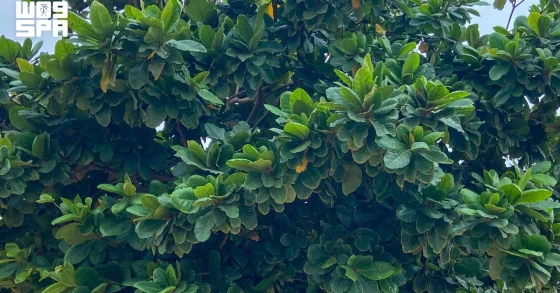
Indian Jasmine Adds Fragrance and Color to Qassim’s Gardens
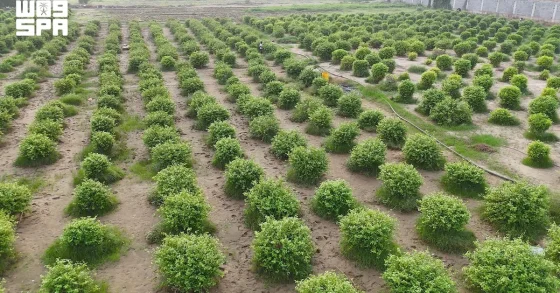
Indian jasmine (frangipani) enhances Qassim’s gardens with fragrant, multicolored flowers. Learn about its cultivation, maintenance, and Vision 2030 alignment.
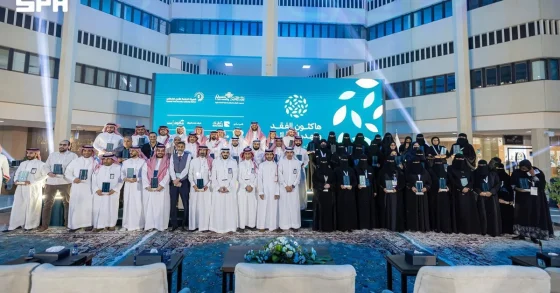
Al-Baha University concludes Replit AI Hackathon with Tuwaiq Academy and Namoothaj, showcasing student innovation and Vision 2030 alignment.
Skywatchers in Saudi Arabia and the Arab world can see Jupiter and Mars in close conjunction before dawn on Monday, as announced by the Jeddah Astronomy Society.
Saudi Arabia approves National Space Policy, secures COPUOS vice-chair, and leads global space governance efforts, aligning with Vision 2030 for a sustainable space future.
Saudi Arabia expands its national AI ecosystem with homegrown models, computing infrastructure, talent programs, and governance frameworks ahead of the AGI era.
Saudi Arabia ranks first globally in women’s AI empowerment, per Stanford’s 2026 AI Index. Discover how Vision 2030 drives female talent in artificial intelligence.
Estidamah conducts field trials in Jazan, Aseer, Al-Baha, and Makkah to enhance sustainable agriculture, focusing on sorghum, bio-fertilizers, and strawberry greenhouses.
The Northern Taurids meteor shower peaks Thursday evening and remains visible until dawn across Saudi Arabia, offering slow meteors and bright fireballs to skywatchers.
Thick fog covered the mountains and highlands of Hail, creating breathtaking visual scenes. The event highlights the region’s natural beauty and tourism potential.
Saudi Arabia ranks high in multiple AI indicators in IMD’s 2026 World Digital and AI Ranking, reflecting Vision 2030 progress in strategy, adoption, and investment.
Six innovative projects by trainees at Riyadh Digital Technical College for Girls qualify for the Security and Innovation Fair (SAIF) 2026 in Riyadh.
KAUST unveils the world’s largest land-based coral restoration facility on Saudi Arabia’s Red Sea coast, aiming to outplant two million corals by 2030 and advance marine science.
The University of Bisha’s Master of Science in Cybersecurity becomes the first such program in the Middle East to earn full ABET accreditation, valid for six years.
SDAIA study ranks Saudi Arabia among the global top three in AI talent growth and leading AI model development, highlighting Vision 2030 progress.
Prince Mohammad Bin Fahd University partners with Hong Kong Center for Construction Robotics to develop smart construction technologies, boosting Vision 2030 innovation goals.
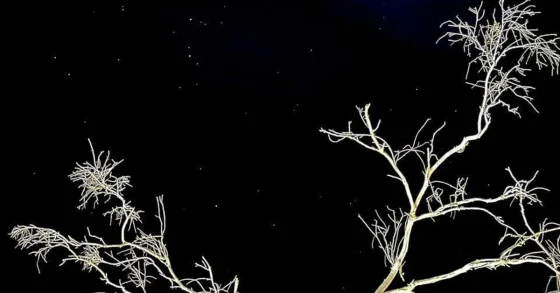
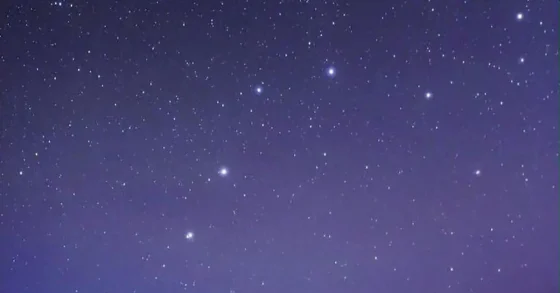
Discover how the new moon phase creates ideal conditions for stargazing in Saudi Arabia, revealing galaxies, nebulae, and star clusters. Learn about Vision 2030 alignment.
Under the patronage of Eastern Region Governor Prince Saud bin Naif, the Electronic Application Exhibition 2026 opens tomorrow in Dammam, showcasing 10 investment opportunities in apps, e-commerce, and AI.
Saudi Arabia’s Digital Government Authority launches the fifth cycle of the Emerging Technologies Adoption Readiness Index 2027, involving over 60 government entities to boost digital transformation and Vision 2030 goals.
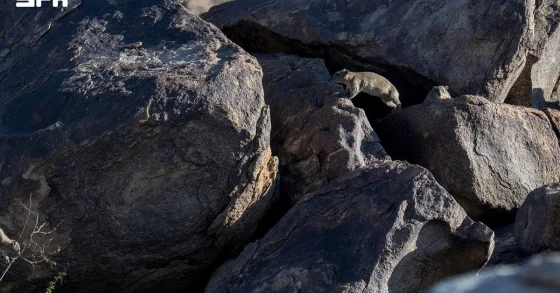
Discover the rock hyrax of Taif, Saudi Arabia: its habitat, diet, evolutionary links, and ecological role. Learn how Vision 2030 supports biodiversity conservation.
The Digital Regulatory Academy (DRA), in partnership with Ithra, held a specialized training program on regulating emerging technologies, bringing together 39 specialists from 21 entities to develop regulatory strategies and frameworks in Saudi Arabia.
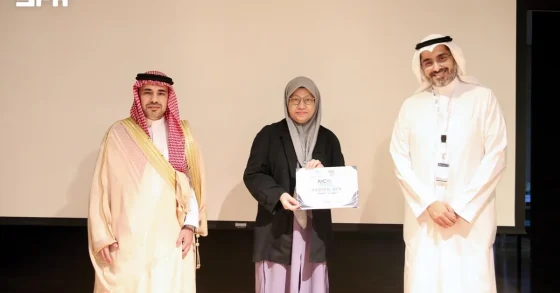
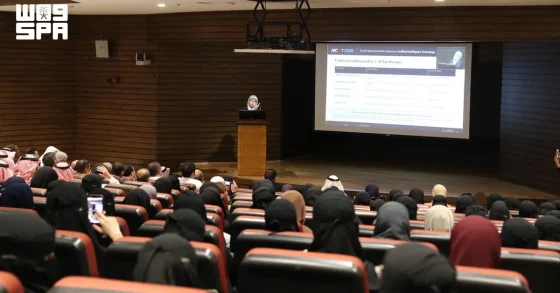
Taibah University hosts MCAIT 2026, showcasing AI applications in healthcare, education, and more, with 142 papers from 37 countries.
Jellyfish play a vital role in marine ecosystems, serving as prey and engaging in symbiosis with algae. Saudi research highlights their importance for ecological balance.
Saudi Arabia launches ICAIRE, a UNESCO category 2 center for AI ethics, extending 80 years of partnership and advancing Vision 2030 on the global stage.
Taibah University hosts MCAIT 2026, showcasing AI research in healthcare, Arabic language, and more. Explore the latest advancements from the conference in Madinah.
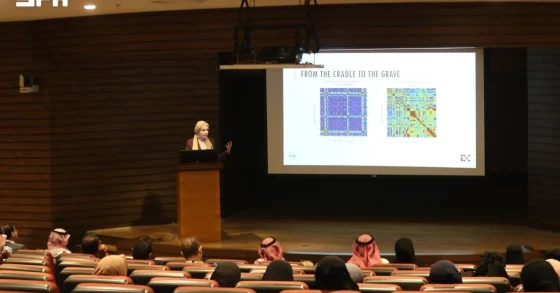
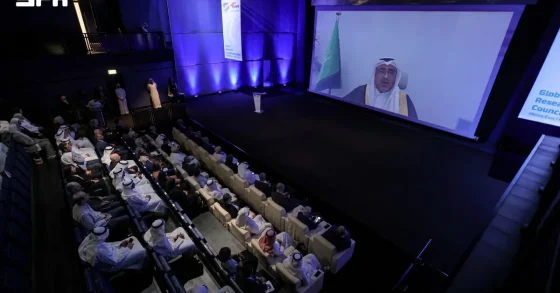
Saudi Arabia, represented by KACST, participated in the GRC Regional Meeting for MENA in Kuwait, emphasizing research alignment with development priorities and Vision 2030.
Saudi Arabia’s Transport General Authority wins Bronze Stevie Award 2026 in Paris for its AI-powered Smart Policy Lab, advancing Vision 2030 and global innovation.
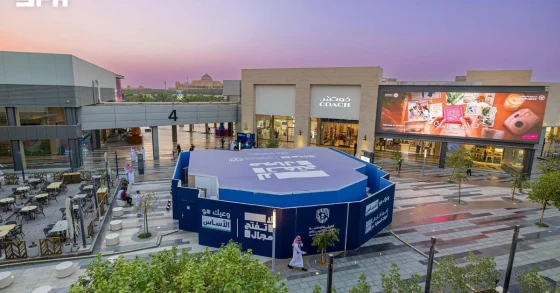
The National Cybersecurity Authority launches the Guard Your Cyberspace exhibition at Riyadh’s Sports Boulevard, promoting safe online practices across Saudi Arabia.
Taibah University concluded MCAIT 2026, showcasing AI research on Arabic language models, healthcare, education, and smart cities, aligning with Saudi Vision 2030.
Saudi Arabia launches AI Principles in Media, a national framework for responsible AI use in content creation, balancing innovation with credibility and Vision 2030 goals.
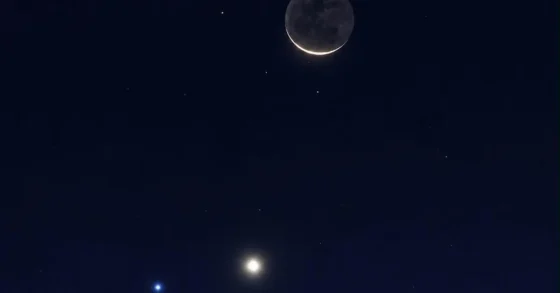
The waning crescent moon, Venus, and Spica will align in the pre-dawn sky over the Arab world on November 7, 2026, as announced by the Jeddah Astronomy Society.
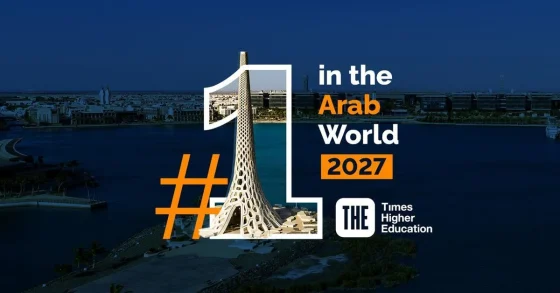
KAUST secures No. 1 in the Times Higher Education Arab University Rankings 2027 for a fourth straight year, highlighting Saudi research and innovation leadership.
The University of Hail is organizing a data-focused hackathon from November 15 to 17, 2026, under the AI Pathways initiative and the Year of Artificial Intelligence 2026.
Taibah University hosted MCAIT 2026 in Madinah, attracting 142 research papers from 98 universities across 37 countries, advancing AI innovation and Vision 2030.
The AgentX AI Hackathon launched in Riyadh in partnership with MCIT to empower national talent, develop AI solutions, and support Saudi Vision 2030 goals.
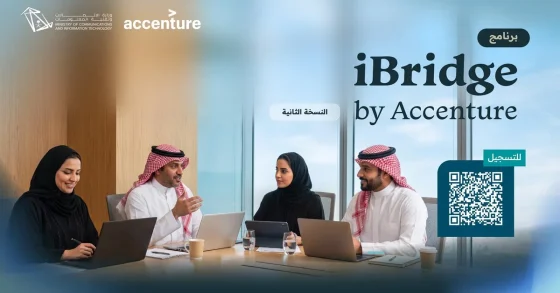
The Ministry of Communications and Information Technology opens registration for the second edition of the MCIT AI Bridge program, in collaboration with Accenture, to develop Saudi tech talent.
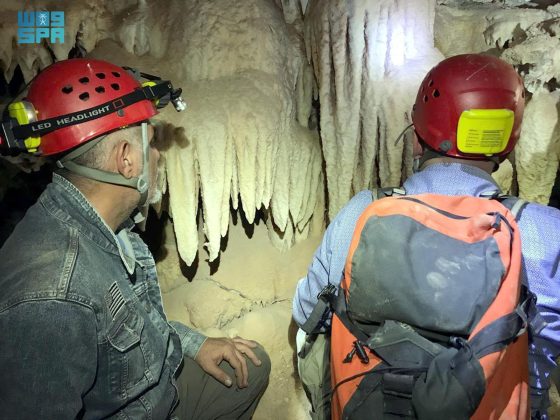
The Saudi Geological Survey has confirmed more than 150 caves across the Kingdom are available for scientific research and sustainable ecotourism.
Madinah Deputy Governor inaugurates the sixth International Multi-Conference on AI Technology at Taibah University, welcoming experts from 37 countries to discuss AI advancements.
Saudi Arabia’s Northern Borders Region witnessed a stunning conjunction of the Moon and Jupiter at dawn, highlighting the Kingdom’s ideal conditions for astronomy and its Vision 2030 push for science education.
Saudi Water Authority launches microalgae project using desalination brine and CO2 to produce animal feed, biofertilizer, and pharmaceutical ingredients, aligning with Vision 2030.
Estidamah advances research on Jazan jasmine’s aromatic properties, revealing high-quality oil with phenylethyl alcohol and low phenyl acetate, boosting Vision 2030.
Al Madinah Region Development Authority and KAUST Academy launch the Madinah Ethical AI Competition, inviting global developers to register by November 14, 2026, for a chance to win SAR150,000.
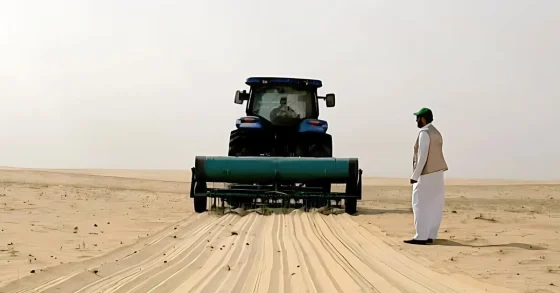
The National Center for Vegetation Cover Development and Combating Desertification launches a campaign to sow native seeds in Jubail, advancing Saudi Arabia’s environmental sustainability and Vision 2030 goals.
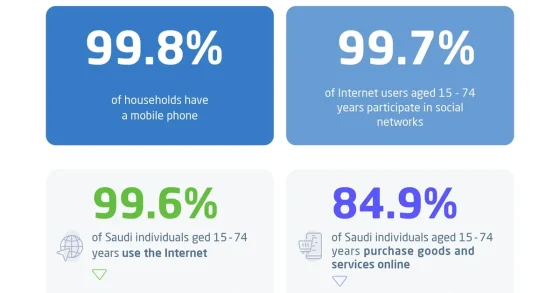
GASTAT reports internet use among individuals aged 15 to 74 in Saudi Arabia reached 99.6% in 2026, with high rates of e-government and e-commerce adoption.
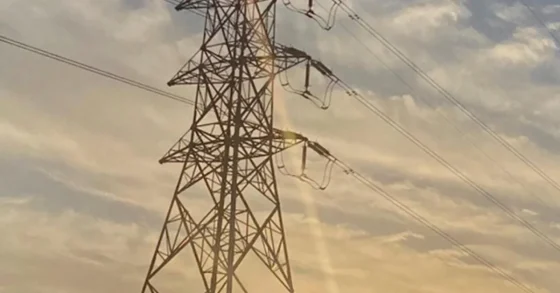
KAUST develops a passive cooling coating that reflects solar radiation and dissipates internal heat, potentially increasing power line capacity by up to 18.3% in hot climates.
Taibah University in Madinah will organize the sixth International Multi-Conference on Artificial Intelligence Technology (MCAIT 2026) from November 3-5, featuring 142 papers, 25 sessions, and six keynote speakers.
Saudi Arabia to witness four planets, meteor showers, and a ‘Giant Full Moon’ in November 2026, as announced by the Jeddah Astronomy Society via SPA.
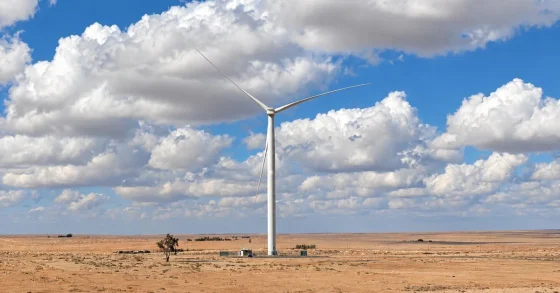
Saudi Aramco inaugurated the Kingdom’s first electricity-generating wind turbine in Turaif in 2017, marking a milestone in renewable energy and Vision 2030.
Taibah University in Madinah organizes scientific activities for Arab Chemistry Week, highlighting chemistry’s role in industry, energy, healthcare, and Vision 2030.
SDAIA issues a national guide to vibe coding, offering developers practical frameworks for efficient, secure, and reliable AI-powered software development.
The University of Tabuk concluded the Gulf Cybersecurity Forum 2026, uniting experts to strengthen cyber resilience across government, smart cities, and business.
KAUST hosted the 13th Saudi HPC/AI Conference in Jeddah, convening 400 experts to advance high-performance computing and AI aligned with Vision 2030.
Tuwaiq Academy wins the Best Digital Community Participation award at the 2026 GCC Digital Government Award, highlighting Saudi talent development and Vision 2030.
151 researchers from King Saud University’s College of Science rank among the world’s top 2% most-cited scientists in 2026, up nearly 36% from 2025.
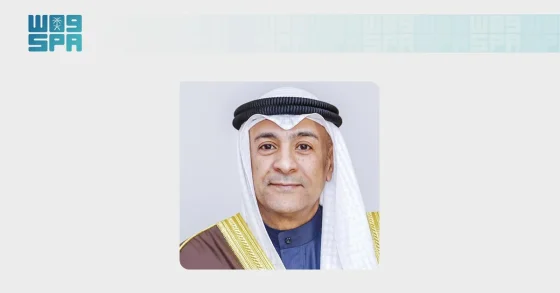
GCC Secretary-General Jasem Albudaiwi says Gulf states continue to solidify their global lead in digital transformation, citing top GovTech and services indices.
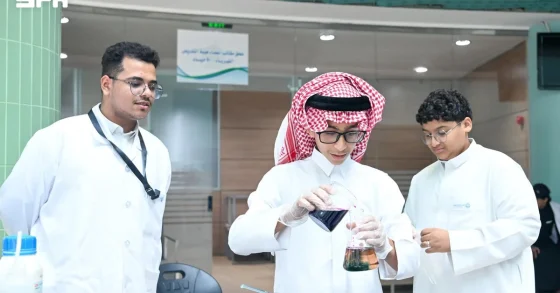
Jazan University’s College of Science marked International Chemistry Day with an interactive exhibition highlighting chemistry’s role in daily life, sustainability, and research.
Estidamah hosted a Riyadh workshop reviewing advanced practices and regulations to optimize agricultural nutrient efficiency and crop yields in Saudi Arabia’s arid soils.
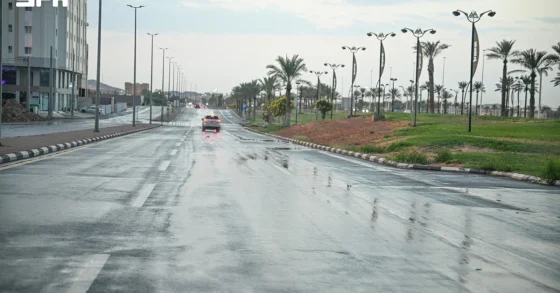
Light to moderate rain fell across Saudi Arabia’s Hail Region on October 28, 2026, sending water through valleys and ravines, according to the Saudi Press Agency.
The Islamic University of Madinah introduces a Master’s program in robotics and mechatronics engineering, integrating AI to support Vision 2030 goals.
Taibah University in Madinah convened a scientific meeting on advanced applications of artificial intelligence (AI) in personalized medicine on Tuesday, drawing specialists to explore how smart technologies can reshape the delivery of medical care across the Kingdom. The gathering, reported by the Saudi Press Agency (SPA), focused on the intersection of AI and individualized treatment, […]
The Jazan Industrial Chemistry Society hosted a virtual workshop on isotope production, separation, and applications as part of Arab Chemistry Week, per SPA.
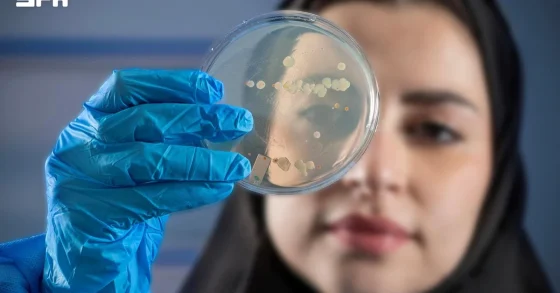
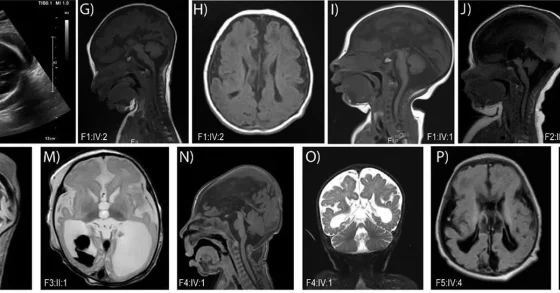
Researchers at KAUST and KFSH identify VPS25 gene changes as the cause of a fatal newborn brain disorder, offering answers to affected families worldwide.
The Jeddah Astronomy Society announces the waning gibbous moon will conjoin with the Pleiades at dawn, a naked-eye spectacle across Saudi Arabia and the Arab world.
University of Tabuk hosts the 2026 Gulf Cybersecurity Forum under Prince Fahd bin Sultan, bringing experts together to discuss digital protection and innovation.
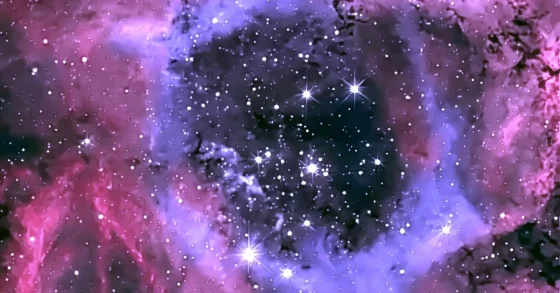
Saudi Arabia’s Noor Astronomy Observatory in Qassim captures stunning image of the Rosette Nebula, promoting scientific literacy and Vision 2030 goals.
Saudi Arabia and the Arab world will see a near-full moon tonight ahead of the astronomical full phase Monday at 7:12 a.m., per the Jeddah Astronomy Society.
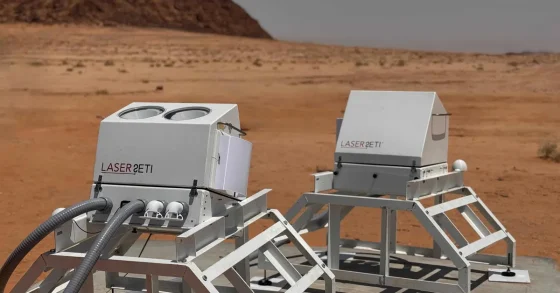
The Royal Commission for AlUla commissions two LaserSETI astronomical observation stations at AlUla Manara, the project’s first site in Asia and fifth worldwide.
Qassim University concludes a two-day hackathon on reducing food loss and waste, with 50 ideas qualifying across five tracks in support of Saudi Vision 2030.
The King Abdulaziz Complex for Endowment Libraries in Madinah concludes its five-day Artificial Intelligence Program for Researchers, advancing Saudi Arabia’s Vision 2030 goals in AI and knowledge management.
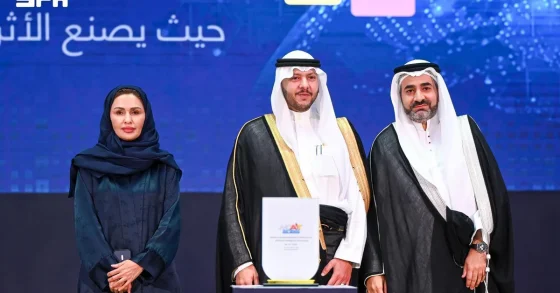
The National Cybersecurity Authority launches a cybersecurity awareness exhibition at ROSHN Front in Riyadh, part of the sixth National Cybersecurity Awareness Campaign.
University of Prince Mugrin in Madinah receives ABET accreditation for its AI and Software Engineering programs, boosting Saudi Arabia’s tech education standing.
The King Salman Science Oasis and UNESCO Regional Office announce a strategic partnership to expand science literacy and inspire future generations across Saudi Arabia and the Gulf.
King Abdulaziz Complex for Endowment Libraries held a scientific session on using AI to preserve and study manuscripts, part of AI Week in Madinah.
Riyadh Region Municipality deploys robotics and AI to inspect 4.84 million meters of stormwater pipes and 181 outlets ahead of the 2026 rainy season.
Two Royal Commission in Yanbu schools earn bronze-level results in the World Robot Olympiad 2026 national qualifiers, highlighting Saudi Arabia’s STEM education push.
Umm Al-Qura University registers a patent for its Self-Evolving Cognitive Fabric System with the USPTO, advancing Saudi innovation and Vision 2030 goals.
The King Abdulaziz Complex for Endowment Libraries in Madinah held its third session on AI in academic research, exploring how intelligent tools improve scholarly work.
The Jazan Industrial Chemistry Society held two online workshops on green chemistry and nanotechnology, training 138 participants in six hours of scientific instruction.
The King Abdulaziz Complex for Endowment Libraries explores AI agents in scientific research, drawing 12,343 researchers from 100 countries as part of AI Week and Vision 2030.
The Orionid meteor shower will peak on October 21-22, 2026, offering skywatchers in Saudi Arabia and the Arab world a chance to see debris from Halley’s Comet.
Japan launches MMX spacecraft to collect samples from Mars’ moon Phobos, aiming to return them to Earth by 2031 in a historic first for planetary science.
Riyadh Municipality uses AI, robots, and drones to monitor roads, bridges, and drainage networks, advancing Saudi Arabia’s Year of Artificial Intelligence 2026.
Two Mawhiba Community members, Rahaf Al-Harbi and Rawan Talha, win first place at the AgentX AI Hackathon as part of the SUNBULLA team, showcasing Saudi talent.
The third AgentX AI Hackathon in Saudi Arabia’s Eastern Region concluded with Team Sunbolah, Team SABBAQ, and Team MIRSAD winning top prizes for innovative AI solutions.
Qassim University President Mohammed Al Sharikh launches the 18th phase of the Green Qassim Land Initiative, aiming to plant 13,000 trees and shrubs in support of Saudi Vision 2030 and the Saudi Green Initiative.
The Orionid meteor shower peaks Wednesday evening through Thursday dawn, lighting up Saudi skies. The Noor Astronomy Association explains how and when to watch.
The first-quarter Moon of Jumada Al-Ula 1448 AH illuminated Saudi Arabia’s Northern Borders sky, offering astronomy enthusiasts a chance to observe lunar surface features.
The King Abdulaziz Complex for Endowment Libraries in Madinah held an AI session on research topic discovery, supporting Saudi Vision 2030’s knowledge economy goals.
The Saudi Water Authority wins five international awards in Kuala Lumpur for innovative water and energy projects, including magnesium enrichment and brine recovery.
Saudi Arabia ranks first globally in RPKI Route Origin Validation with a 99.8% activation rate, reinforcing its secure and reliable internet infrastructure.
A King Faisal University study shows Al-Hasawi lime and date molasses with inulin can boost antioxidants and phenolics in functional juices, supporting Vision 2030 food security goals.
The University of Tabuk secures a British Council grant with the University of Birmingham to advance renewable energy, water management, and sustainability research.
Tuwaiq Academy and Misk Skills conclude the Expo 2030 Riyadh challenge with over 80 teams, advancing Saudi talent and Vision 2030 technology goals.
The Moon appeared in conjunction with Nunki, a bright star in Sagittarius, over Saudi Arabia’s Northern Borders Region, offering a stunning view for astronomers.
The Saudi Space Agency and Japan’s JAXA signed a memorandum to boost cooperation in space science, exploration, training, and peaceful uses of outer space.
KACST is supporting the Saudi Green Initiative with a vegetation survey covering 600 sites and eight new plant species recorded.
Madinah will host the Sixth International Conference on Applications of AI in Developing Digital Education in the Arab World from December 4 to 6, 2026, gathering global experts.
Falak for Space Science and Research will launch the first Saudi research mission to study the eye microbiome in space by the end of March.
KAUST scientists used cryo-electron microscopy and deep learning to observe DNA unwinding at the atomic level in a study published in Nature.
GEOSA wins the 2026 ESIG Award for its National Geospatial Platform and Digital Twins, highlighting Saudi Arabia’s progress in geospatial innovation and Vision 2030.
Saudi Arabia’s SDAIA and CST launch the ‘Its AI’ campaign to raise public awareness of deepfake risks, fake clips, and responsible digital content verification.
Get the KSA.com newsletter with the stories that matter.