


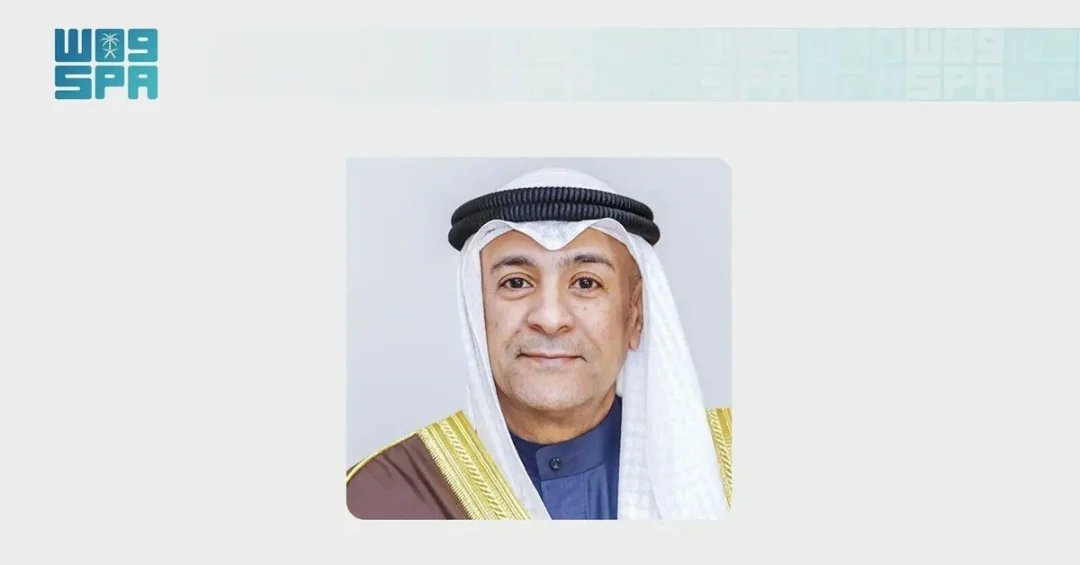
GCC Secretary-General Jasem Albudaiwi and Egyptian Foreign Minister Dr. Badr Abdelatty have reaffirmed the strength of relations between the Gulf Cooperation Council and Egypt during high-level talks in El Alamein. The two officials met to discuss shared concerns and advance cooperation in fields that serve the interests of both sides, according to a report issued through Saudi official channels.
Context and Background
The meeting reflects the solid and developing partnership between the GCC and the Arab Republic of Egypt. Over the years, the two sides have built close ties through continuous political consultation, growing trade and investment, and a shared commitment to Arab security. Egypt’s strategic position and active role in regional affairs make it a central partner for GCC states in addressing common challenges and opportunities.
Institutional cooperation between the GCC and Egypt has deepened through the Joint Action Plan for 2024–2028, which provides a clear framework for implementing shared priorities. The latest exchange in El Alamein enabled both sides to evaluate progress on this framework and identify practical ways to expand its impact.
Key Details: Joint Action Plan and Investment Forum
During the meeting, Secretary-General Albudaiwi and Foreign Minister Abdelatty reviewed the latest developments related to the Joint Action Plan between the GCC and Egypt for the period 2024–2028. The review allowed officials to assess achievements and keep planned initiatives moving forward in line with agreed objectives.
The two sides also examined the outcomes of the inaugural GCC-Egyptian Investment Forum, held recently. That forum marked an important step toward closer economic integration by connecting investors with opportunities across GCC member states and Egypt. In addition, the officials explored several new proposals designed to further strengthen GCC-Egyptian ties for the benefit of the peoples of both sides.
Beyond economic and developmental issues, the talks addressed regional security. Both officials underscored the importance of supporting all regional and international efforts aimed at reinforcing security and stability. They stressed that outstanding disputes must be resolved through peaceful and diplomatic means, as well as constructive dialogue among all parties involved.
Implications and Impact
The reaffirmation of GCC-Egyptian cooperation carries significant implications for the region. A coordinated GCC-Egyptian approach helps foster stability, encourages peaceful conflict resolution, and strengthens moderate Arab voices on urgent international matters. Egypt’s clear position on Gulf security, expressed by Foreign Minister Abdelatty, reinforces the principle that the security of the GCC states is an integral part of Egyptian national security.
Secretary-General Albudaiwi, for his part, thanked Egypt for its support to GCC states against Iranian attacks. This mutual acknowledgment demonstrates the trust underpinning the relationship and signals the continued readiness of both sides to stand together in defense of stability and sovereignty.
Vision 2030 Alignment
The strengthened GCC-Egyptian partnership also supports the aspirations of Saudi Vision 2030. As the Kingdom continues to diversify its economy and expand its global partnerships, a stable regional environment and close ties with influential Arab partners such as Egypt are essential. The GCC-Egyptian Investment Forum and the 2024–2028 Joint Action Plan provide practical platforms that can help translate strategic cooperation into tangible economic progress.
Looking ahead, sustained dialogue between GCC states and Egypt is expected to generate further opportunities in investment, trade, energy, and regional security. These efforts align with the Kingdom’s vision of a prosperous, secure, and interconnected Arab region and with its ongoing contribution to international peace and development.
20 Questions
Q1. Who held the meeting in El Alamein?
A1. GCC Secretary-General Jasem Albudaiwi held the meeting with Egyptian Foreign Minister Dr. Badr Abdelatty in El Alamein, Egypt. The encounter was reported through the Saudi Press Agency and reflected the continuing high-level dialogue between the GCC and Egypt.
Q2. Where did the GCC official and Egyptian Foreign Minister meet?
A2. They met in El Alamein, a coastal city on Egypt’s northern Mediterranean shore. El Alamein has increasingly served as a venue for diplomatic gatherings, and its selection reflected the constructive atmosphere of the talks.
Q3. What was the main focus of the discussion?
A3. The discussion focused on strengthening cooperative relations between the GCC states and Egypt in numerous areas. The officials explored ways to serve shared interests and reviewed practical mechanisms for deeper political, economic, and security cooperation.
Q4. Which joint framework was reviewed during the meeting?
A4. The officials reviewed the Joint Action Plan between the GCC and Egypt for 2024 to 2028. This framework guides institutional cooperation and is designed to translate shared priorities into practical achievements over a five-year period.
Q5. What investment initiative did they discuss?
A5. They discussed the outcomes of the inaugural GCC-Egyptian Investment Forum, held recently. The forum is meant to encourage investment flows, identify opportunities in both markets, and strengthen economic integration between GCC countries and Egypt.
Q6. What broader political approach did both sides support?
A6. Both sides stressed support for regional and international efforts to strengthen security and stability. They called for resolving outstanding disputes through peaceful and diplomatic means, including constructive dialogue among all parties concerned.
Q7. How did Secretary-General Albudaiwi acknowledge Egypt?
A7. Secretary-General Albudaiwi expressed thanks and appreciation to Egypt for its support to GCC states against Iranian attacks. His remarks recognized Cairo’s clear stance and active solidarity with Gulf security.
Q8. What did Egypt’s Foreign Minister say about GCC security?
A8. Foreign Minister Abdelatty reaffirmed Egypt’s solidarity with the GCC states and rejected any aggression against their territories. He emphasized that Gulf security is an integral part of Egyptian national security, reflecting deep strategic alignment.
Q9. Why are GCC-Egyptian relations important?
A9. GCC-Egyptian relations link two major regional pillars. Their cooperation supports political coordination, economic growth, and security stability across the Arab world and the wider Middle East, benefiting both peoples and reinforcing shared interests.
Q10. How does the Joint Action Plan support cooperation?
A10. The 2024–2028 Joint Action Plan gives the GCC and Egypt a structured roadmap for collaboration. It enables officials to coordinate on agreed priorities, monitor implementation, and expand ties in a systematic, results-oriented manner.
Q11. What significance does the GCC-Egyptian Investment Forum have?
A11. The forum opens new avenues for dialogue between business communities and official investment bodies. By showcasing opportunities, it aims to deepen economic interdependence and support diversification strategies in both GCC economies and Egypt.
Q12. What did both officials say about disputes?
A12. They emphasized that all outstanding disputes must be resolved through peaceful and diplomatic means. Constructive dialogue among all parties and respect for international principles should guide efforts to maintain regional stability and security.
Q13. How does Egypt view the security of GCC states?
A13. Egypt views the security of GCC states as inseparable from its own national security. This principle underlies Cairo’s rejection of any aggression against Gulf territories and its continued cooperation with GCC states in preserving regional security.
Q14. What does the meeting signal for Gulf-Arab diplomacy?
A14. The talks signal strong strategic cohesion between Gulf countries and Egypt. They demonstrate a shared commitment to consultation, mutual support, and coordinated action at a time when regional stability and economic recovery require closer Arab cooperation.
Q15. Did the two sides discuss future proposals?
A15. Yes, the officials explored several proposals to further strengthen GCC-Egyptian ties. These forward-looking proposals aim to broaden cooperation and create lasting benefits for the peoples of the Gulf region and Egypt.
Q16. How does the SPA report describe the meeting?
A16. The Saudi Press Agency reported the meeting and the topics discussed, noting the two sides’ mutual appreciation and shared commitment to enhanced cooperation and regional security. The report highlighted both officials’ positive and constructive engagement.
Q17. What role does the GCC play in regional stability?
A17. The GCC coordinates policies among its member states on political, security, and economic matters. Its engagement with regional partners such as Egypt strengthens collective approaches to stability, conflict resolution, and sustainable development in the Middle East.
Q18. Why is peaceful dialogue important to GCC and Egypt?
A18. Peaceful dialogue helps prevent escalation, build trust, and create conditions for diplomatic solutions. Both sides emphasized constructive dialogue as the preferred means for settling disagreements and preserving security in a manner consistent with international principles.
Q19. How might these discussions affect future GCC-Egyptian cooperation?
A19. The discussions are likely to reinforce existing structures and generate momentum for deeper cooperation. By reviewing the Joint Action Plan and investment forum outcomes, officials can refine strategies to deliver tangible progress and expanded partnership in the coming period.
Q20. What broader message emerges from the meeting?
A20. The broader message is one of shared purpose and strategic solidarity. GCC states and Egypt remain united in advancing security, stability, and prosperity while working through established channels to realize common goals and strengthen Arab coordination.
Reader Feedback
We value your thoughts. Please share your feedback on this article.
Your feedback helps us improve our coverage.