


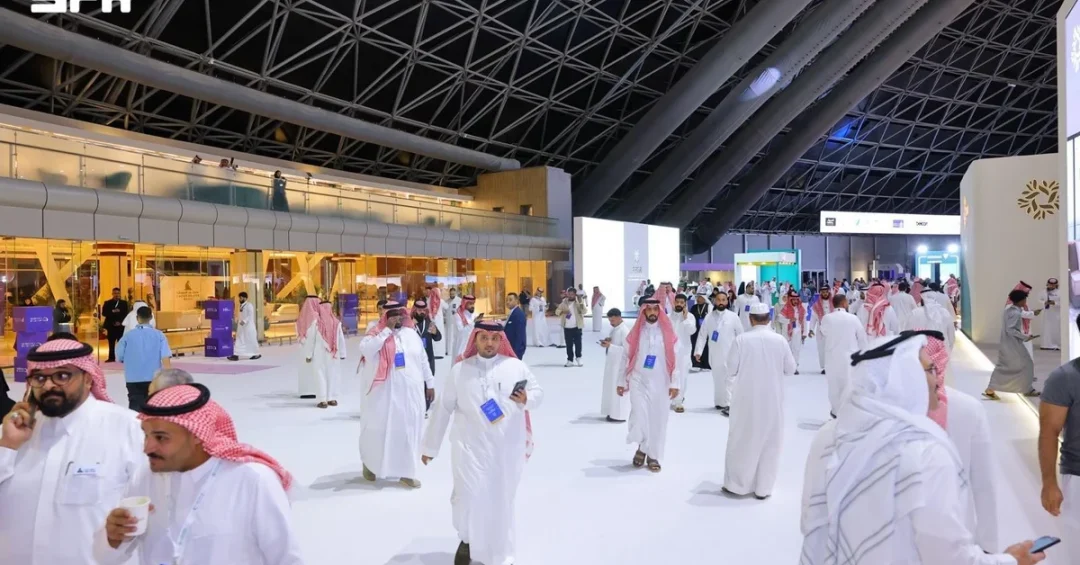
The SEREDO Real Estate Development and Ownership Exhibition 2026 concluded in Jeddah after three days at the Jeddah Superdome, drawing approximately 35,000 visitors and generating a series of agreements and memoranda of understanding among participating entities and companies. Held under the patronage of the Ministry of Municipalities and Housing, the fifth edition of SEREDO brought together more than 50 government entities, private-sector organizations, and real estate developers to showcase residential projects and investment opportunities to investors and prospective homebuyers, according to the Saudi Press Agency.
Context and Background
SEREDO has established itself as one of the Kingdom’s principal gathering points for the real estate sector, connecting developers, regulators, financiers, and buyers in a single venue. The 2026 edition marked the fifth year of the exhibition, and its continued expansion reflects the depth of activity now visible across Saudi Arabia’s property market as the Kingdom pursues the goals of Saudi Vision 2030.
Real estate sits at the intersection of several national priorities: expanding homeownership, diversifying the non-oil economy, modernizing urban infrastructure, and improving quality of life for citizens and residents. The Ministry of Municipalities and Housing has advanced a series of regulatory and legislative reforms designed to make development faster, financing more accessible, and transactions more transparent, and SEREDO serves as a public platform where those changes can be explained directly to the market.
Key Details
During its three-day run at the Jeddah Superdome, the exhibition attracted about 35,000 visitors and hosted more than 50 participating entities, spanning government bodies, private companies, and real estate developers. Participating organizations signed numerous agreements and memoranda of understanding aimed at strengthening partnerships and opening new investment channels within the sector.
The projects on display included residential developments across the Makkah Region, with developers reaffirming their commitment to completing those projects in accordance with established timelines. The exhibition also sought to raise awareness of real estate regulations and legislation, facilitate direct communication between parties, and strengthen engagement among developers, investors, and beneficiaries.
Organizers structured the event so that visitors could move between project showcases, regulatory guidance, and financing information in one place, giving prospective buyers and institutional investors a consolidated view of what the market currently offers.
Implications and Impact
The conclusion of SEREDO 2026 reflects significant growth in Saudi Arabia’s real estate development projects and continued advances in financing and regulatory solutions, creating new opportunities for investment and homeownership. For developers, the volume of agreements signed signals sustained demand and a willingness among partners to commit capital to multi-year construction programs.
For investors, both domestic and international, the exhibition offered a readable snapshot of a market supported by clear regulatory frameworks, government-backed housing initiatives, and a steady pipeline of residential supply in high-growth regions. For households, the combination of direct access to developers and improved financing options supports the practical path toward owning a home.
The event also reinforced the Kingdom’s position as a destination for long-term real estate capital, at a time when urban expansion, infrastructure investment, and population growth continue to shape demand across major cities and regions.
Vision 2030 Alignment
SEREDO 2026 directly supports the objectives of Saudi Vision 2030, which places housing, urban development, and economic diversification among its central ambitions. By expanding homeownership, connecting developers with investors, and promoting awareness of regulations and financing solutions, the exhibition contributes to a more accessible and productive real estate market.
As the Kingdom continues to deliver residential projects across the Makkah Region and beyond, platforms such as SEREDO will remain important vehicles for cooperation between government entities and the private sector, helping translate national strategy into completed homes, new investment, and stronger communities.
20 Questions
Q1. What was SEREDO 2026?
A1. SEREDO 2026 was the fifth edition of the Real Estate Development and Ownership Exhibition, held under the patronage of the Ministry of Municipalities and Housing at the Jeddah Superdome to showcase property projects, investment opportunities, and regulatory information.
Q2. Where and when did the exhibition take place?
A2. The exhibition ran for three days at the Jeddah Superdome in Jeddah and concluded on September 9, 2026, according to the Saudi Press Agency, which reported the closing of the fifth edition of the event.
Q3. Which government body patronized the event?
A3. The Ministry of Municipalities and Housing patronized SEREDO 2026, underscoring official support for real estate development, ownership, and investment as central pillars of the Kingdom’s housing and urban development strategy.
Q4. How many visitors attended SEREDO 2026?
A4. Approximately 35,000 visitors attended the exhibition over its three days, reflecting strong public and investor interest in Saudi Arabia’s expanding real estate market and the housing opportunities presented by participating developers.
Q5. How many entities participated in the exhibition?
A5. More than 50 government entities, private-sector organizations, and real estate developers took part, presenting residential and investment projects to prospective homebuyers, institutional investors, and industry partners from across the Kingdom.
Q6. What kinds of agreements were signed during the event?
A6. Numerous agreements and memoranda of understanding were signed between participating entities and companies, aimed at strengthening partnerships and creating new investment opportunities across Saudi Arabia’s real estate sector.
Q7. What types of projects were showcased?
A7. Exhibitors presented a range of real estate projects, including residential developments across the Makkah Region, with developers reaffirming their commitment to completing these projects in accordance with established timelines.
Q8. Why is the Makkah Region important in this context?
A8. The Makkah Region hosts the Kingdom’s holiest sites and a growing population, making residential development there important for housing residents, supporting infrastructure, and advancing balanced regional development under Vision 2030.
Q9. What educational aims did the exhibition pursue?
A9. SEREDO 2026 aimed to raise awareness of real estate regulations and legislation, facilitate direct communication, and strengthen engagement among developers, investors, and beneficiaries, helping participants navigate the market with clearer information.
Q10. What does the conclusion of SEREDO 2026 reflect?
A10. Its conclusion reflects significant growth in Saudi Arabia’s real estate development projects and continued advances in financing and regulatory solutions, creating new opportunities for investment and homeownership across the Kingdom.
Q11. How does SEREDO support homeownership?
A11. By connecting developers directly with prospective buyers and presenting financing solutions, SEREDO helps citizens and residents access suitable housing options, supporting national efforts to raise homeownership rates across Saudi Arabia.
Q12. What role did developers play at the exhibition?
A12. Developers showcased their projects and reaffirmed their commitment to delivering them on schedule, signaling confidence in sustained demand and in the regulatory and financing environment that supports residential construction.
Q13. How does the exhibition benefit investors?
A13. SEREDO gives investors direct access to projects, government entities, and developers in one venue, reducing information barriers and helping channel capital into residential and mixed-use developments aligned with national priorities.
Q14. Which authorities oversee the real estate sector?
A14. The Ministry of Municipalities and Housing oversees urban development and housing policy, working alongside other government entities, regulators, and private developers to expand supply and improve the quality of real estate services nationwide.
Q15. Why is Jeddah a fitting host city?
A15. Jeddah is a major commercial gateway on the Red Sea and one of the Kingdom’s largest cities, giving the exhibition access to a broad base of developers, investors, and homebuyers from across the western region.
Q16. How does real estate contribute to the Saudi economy?
A16. Real estate is a major non-oil sector, generating construction activity, employment, and investment. Its continued expansion supports economic diversification, one of the central objectives of Saudi Vision 2030.
Q17. What financing advances were highlighted?
A17. The event highlighted continued progress in real estate financing and regulatory solutions, which improve access to mortgages and make it easier for developers and buyers to complete transactions with greater confidence.
Q18. How does SEREDO 2026 relate to Vision 2030?
A18. SEREDO supports Vision 2030 goals for housing, urban development, and economic diversification by expanding homeownership, attracting investment, and strengthening the partnership between government entities and the private sector.
Q19. What happens after the exhibition closes?
A19. Agreements signed during SEREDO move into implementation, while developers continue delivering residential projects across the Makkah Region and other areas in line with agreed timelines and applicable regulatory requirements.
Q20. What does the fifth edition signal for the future?
A20. The strong turnout and broad participation signal growing momentum in the Kingdom’s real estate sector, pointing to continued interest from investors, developers, and homebuyers in future editions of SEREDO.
Reader Feedback
We value your thoughts. Please share your feedback on this article.
Your feedback helps us improve our coverage.