


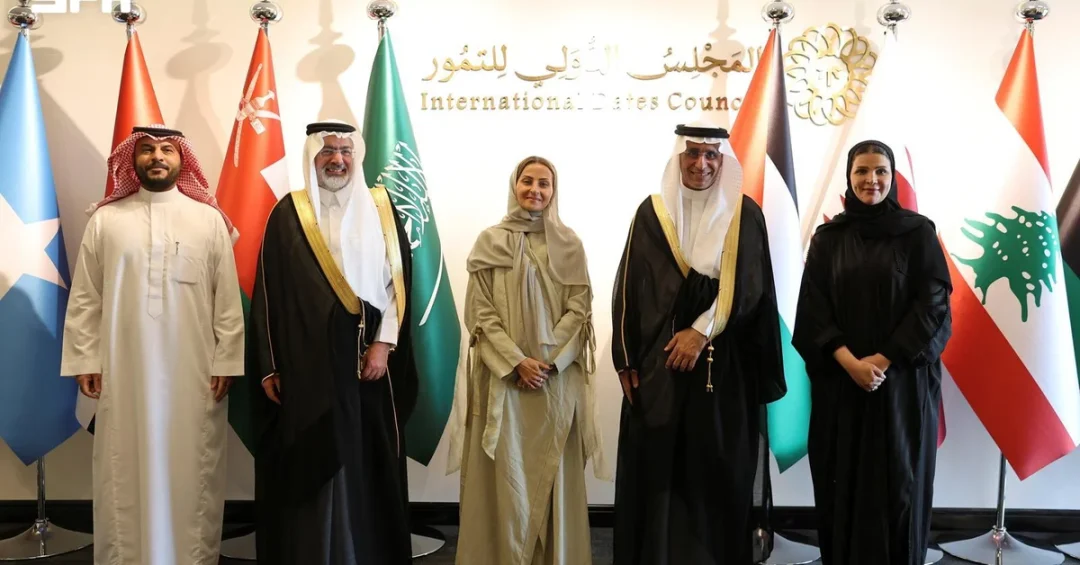
The Executive Director of the International Dates Council, Princess Sarah bint Bandar bin Abdulaziz, met with the Secretary-General of the Middle East Green Initiative, Ibrahim Alturki, at the council’s headquarters in Riyadh to explore opportunities for institutional cooperation, according to an announcement carried by the Saudi Press Agency (SPA). The meeting brought together two Riyadh-based bodies whose mandates converge on environmental sustainability, food security and the responsible stewardship of the region’s natural resources.
Context and Background
The International Dates Council, headquartered in Riyadh, comprises 17 member states and serves as a global reference for the development of the palm and date sector. Its mandate covers the promotion of cooperation, the exchange of technical expertise and the strengthening of food security among date-producing and date-consuming nations. Through research support, quality standards and international coordination, the council works to modernise a sector that is deeply rooted in the region’s history and economy.
The Middle East Green Initiative is a regional environmental framework launched under the leadership of Crown Prince Mohammed bin Salman. It sets ambitious goals for the Middle East, including the planting of 50 billion trees, reducing carbon emissions, combating desertification and restoring degraded land. Its programmes depend on partnerships with specialised institutions that can translate broad environmental targets into practical, measurable outcomes on the ground.
The meeting therefore reflects a shared recognition that environmental restoration and agricultural development are closely connected rather than separate priorities.
Areas of Mutual Interest
During the meeting, Ibrahim Alturki highlighted the initiative’s key programmes, objectives and sustainability efforts, while the council outlined its role in developing the date sector and coordinating international work. The two sides then examined areas of mutual interest and opportunities to draw on the council’s expertise to support the initiative’s programmes.
Their discussions centred on four practical themes: palm and oasis sustainability, water-resource efficiency, knowledge transfer, and linking sustainability to nutritional and economic outcomes. Each theme addresses a challenge that is central to both organisations. Date palms depend on reliable irrigation, particularly in arid climates, so efficient water use is essential to preserving productive groves. Oases, in turn, are among the region’s most valuable ecosystems, supporting biodiversity, soil health and communities that have cultivated palms for generations.
Knowledge transfer was also emphasised, with both sides recognising that shared research, technical guidance and best practices can accelerate progress across member states and partner countries alike.
Implications and Impact
The cooperation carries significance beyond the date sector. By joining environmental restoration with agricultural expertise, the two institutions are building a model in which sustainability commitments are supported by specialist knowledge and measurable economic returns. Healthier palm groves and more efficient irrigation systems contribute directly to food security, rural livelihoods and export capacity.
For the wider region, the partnership reinforces a trend of Middle Eastern institutions coordinating on climate and food-security challenges. It also strengthens the region’s collective contribution to international environmental dialogue, demonstrating that ambitious targets can be paired with practical implementation.
The economic dimension is equally notable. Improved cultivation practices can raise yields and fruit quality, opening new export opportunities and supporting value-added processing industries. In this way, environmental stewardship becomes a driver of growth rather than a constraint on it.
Vision 2030 Alignment
The meeting aligns closely with Saudi Vision 2030, which places environmental sustainability, food security and economic diversification among its central objectives. Hosting an international institution such as the International Dates Council in Riyadh reflects the Kingdom’s growing role as a convening power in agricultural diplomacy, while the Middle East Green Initiative gives regional expression to Saudi Arabia’s environmental commitments.
Together, the two bodies illustrate how the Kingdom is linking heritage to innovation: preserving the palm and oasis traditions that define much of its landscape, while applying modern science, efficient resource management and international cooperation to secure their future. As the partnership develops, it is expected to contribute to a more sustainable, food-secure and economically diverse region, consistent with the long-term ambitions of Vision 2030 and Saudi Arabia’s expanding global role.
20 Questions
Q1. Who met to discuss cooperation between the International Dates Council and the Middle East Green Initiative?
A1. Princess Sarah bint Bandar bin Abdulaziz, Executive Director of the International Dates Council, met Ibrahim Alturki, Secretary-General of the Middle East Green Initiative, at the council’s headquarters in Riyadh. Their discussions centred on institutional cooperation and shared sustainability priorities.
Q2. Where did the meeting take place?
A2. The meeting was held at the International Dates Council’s headquarters in Riyadh, the capital of the Kingdom of Saudi Arabia. Riyadh also hosts the Middle East Green Initiative’s coordination efforts, making the city a natural setting for institutional dialogue.
Q3. When was the meeting reported?
A3. The Saudi Press Agency reported the meeting on September 9, 2026, noting that the two officials had met the previous day. The announcement was released through official Saudi channels, reflecting transparent reporting on sustainability partnerships.
Q4. What is the Middle East Green Initiative?
A4. It is a regional environmental framework launched under the leadership of Saudi Crown Prince Mohammed bin Salman. It targets the planting of 50 billion trees across the Middle East, alongside efforts to reduce carbon emissions, combat desertification and restore degraded land.
Q5. What is the International Dates Council?
A5. The council is a Riyadh-headquartered international body comprising 17 member states. It serves as a global reference for developing the palm and date sector, promoting cooperation, expertise exchange and food security among producing and consuming nations.
Q6. What did Ibrahim Alturki highlight during the meeting?
A6. He highlighted the initiative’s key programmes, objectives and sustainability efforts. His overview covered the initiative’s regional environmental goals and the practical mechanisms it uses to support reforestation, land restoration and climate resilience across participating countries.
Q7. What areas of mutual interest were discussed?
A7. Discussions focused on palm and oasis sustainability, water-resource efficiency, knowledge transfer, and linking sustainability to nutritional and economic outcomes. These themes connect environmental protection with food production, rural livelihoods and the viability of traditional oasis agriculture.
Q8. Why are date palms important to Saudi Arabia?
A8. Date palms hold deep cultural and historical significance across Saudi Arabia and the wider region, symbolising hospitality and heritage. Economically, dates generate export revenue, support rural employment and contribute to food security, making the sector a strategic national asset.
Q9. How many member states belong to the International Dates Council?
A9. The council comprises 17 member states. This broad membership allows it to coordinate international efforts, harmonise research priorities and share technical expertise, giving its cooperation with the Middle East Green Initiative significant regional reach and credibility.
Q10. What role does the council play internationally?
A10. The council acts as a global reference point for palm and date sector development. It coordinates international efforts, encourages the exchange of expertise, supports scientific research and works to strengthen food security systems in member states and beyond.
Q11. How does this meeting support Saudi Vision 2030?
A11. The talks align with Vision 2030 by supporting environmental sustainability, food security and economic diversification. Strengthening the date sector and conserving natural resources contribute to the Kingdom’s goals of building a thriving economy and an ambitious society.
Q12. Why is water-resource efficiency so important?
A12. Water-resource efficiency is central because date cultivation depends on irrigation, particularly in arid environments. Improved irrigation techniques, including modern and smart systems, help conserve scarce water while maintaining productive palm groves and healthy oasis ecosystems.
Q13. What does linking sustainability to nutritional outcomes mean?
A13. It means recognising dates as a nutritious staple that can support healthy diets. When production is environmentally sound, it strengthens both food security and public health, creating benefits that extend from farms to households across the region.
Q14. How does knowledge transfer benefit both sides?
A14. Knowledge transfer involves sharing research findings, technical know-how and best practices between the council’s member states and the initiative’s partners. This exchange accelerates innovation, improves farming methods and helps countries avoid repeating costly mistakes.
Q15. Why are oasis ecosystems significant?
A15. Oases are among the region’s most valuable ecosystems, supporting biodiversity, agriculture and cultural heritage. Their preservation helps combat desertification, maintain soil quality and sustain communities that have depended on palm cultivation for generations.
Q16. What are the broader international implications?
A16. The cooperation signals a growing trend of regional institutions joining forces on climate and food-security challenges. It strengthens the Middle East’s collective voice in international environmental discussions and demonstrates practical, results-oriented action rather than pledges alone.
Q17. How do the two initiatives complement each other?
A17. The two efforts are complementary. The Middle East Green Initiative sets ambitious regional targets such as planting 50 billion trees, while the Saudi Green Initiative focuses on domestic goals including 10 billion trees. The council’s expertise supports these objectives.
Q18. What economic outcomes could result from this cooperation?
A18. Stronger sustainability practices can raise yields, improve fruit quality and open new export markets. This supports employment in rural areas, encourages value-added processing industries and reinforces the date sector’s contribution to national economic diversification.
Q19. What does the council’s Riyadh headquarters signify?
A19. The council’s Riyadh headquarters reflects Saudi Arabia’s role as a convening power in agricultural diplomacy. Hosting international institutions strengthens the Kingdom’s position as a hub for cooperation on food security, sustainability and development across the region.
Q20. What are the expected next steps?
A20. The two sides agreed to explore ways to draw on the council’s expertise in support of the initiative’s programmes. This indicates continued institutional coordination on palm and oasis sustainability, water efficiency and knowledge sharing in the period ahead.
Reader Feedback
We value your thoughts. Please share your feedback on this article.
Your feedback helps us improve our coverage.