


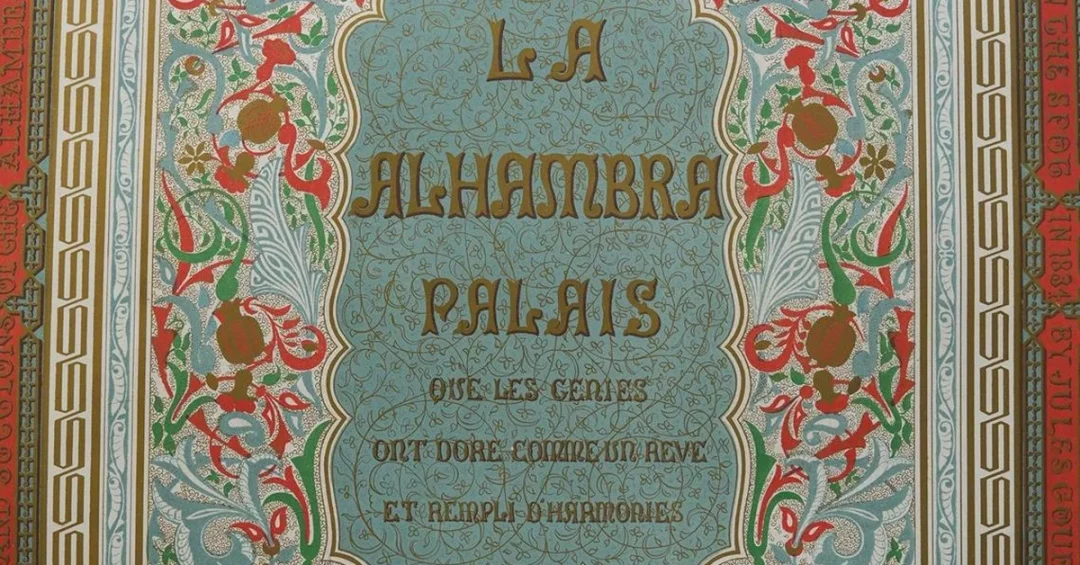
Riyadh — King Abdulaziz Public Library has unveiled a rare collection of 84 titles documenting the history of Andalusia, the Arab-Islamic civilisation that shaped Europe for more than eight centuries, from the conquest in 92 AH (711 AD) to the fall of Granada in 1492 AD. The announcement, released through the Saudi Press Agency, confirms the library’s position as one of the Kingdom’s foremost custodians of Arab and Islamic heritage and as a knowledge resource for researchers around the world.
Context and Background
Founded in 1985, King Abdulaziz Public Library has spent four decades assembling, conserving and cataloguing materials that record the intellectual and cultural achievements of the Arab and Islamic world. Its holdings extend well beyond books to include manuscripts, rare printed items, historical documents, photographs and coins, forming a reference base consulted by scholars in Saudi Arabia and abroad.
The Andalusian chapter of that heritage is of particular international interest. For over 800 years, Muslim rule in the Iberian Peninsula produced advances in medicine, philosophy, agriculture, architecture and the arts, while cities such as Cordoba, Seville and Granada became centres of translation where Muslim, Christian and Jewish scholars exchanged ideas that later influenced the European Renaissance. The library’s collection preserves evidence of that exchange in the original languages in which it was recorded and studied.
Key Details of the Andalusian Collection
The collection spans 84 titles covering history, literature, poetry, agriculture, arts, culture and biographies. Of these, 13 are rare Arabic books on Andalusia, while 71 are rare foreign-language works — a balance that reflects both original Islamic scholarship and centuries of European study of that legacy.
The materials are written in Arabic, English, Spanish, French, German and Latin. This multilingual range is significant: it allows researchers to compare primary Arabic accounts with later European interpretations side by side, without needing to travel between separate archives. The combination of scarce early editions and scholarly works makes the holdings unusually complete for a single institution in the region.
International Impact and Cultural Diplomacy
Announcements of this kind carry weight beyond academic circles. Andalusia is a shared reference point for Europe and the Islamic world, and rare collections that document it naturally support dialogue between Saudi Arabia, Spain and other countries with an interest in Mediterranean history. Joint research projects, exhibitions and academic exchanges built around such materials strengthen people-to-people ties and mutual understanding.
The library’s emphasis on conservation also matters for the wider scholarly community. Fragile manuscripts, documents and early printed books require controlled storage, specialised restoration and careful handling, and Saudi institutions have invested steadily in these capabilities. Digitisation programmes complement physical preservation, allowing selected items to be consulted remotely while the originals remain protected for future generations.
Vision 2030 Alignment
Preserving and promoting cultural heritage is a recognised pillar of Saudi Vision 2030, which treats national identity and knowledge as drivers of long-term development alongside economic diversification. By curating, cataloguing and publicising rare Andalusian materials, King Abdulaziz Public Library contributes directly to that agenda: it advances research and education, strengthens the Kingdom’s cultural sector, and positions Saudi Arabia as a credible global partner in the study of Islamic civilisation. The collection’s release through official channels signals that this heritage will continue to be made available to international audiences, reinforcing the Kingdom’s forward-looking role as a guardian of knowledge and a bridge between cultures.
20 Questions
Q1. What has King Abdulaziz Public Library unveiled in Riyadh?
A1. The library has unveiled a rare collection of books and manuscripts documenting the history of Andalusia, the Arab-Islamic civilisation that flourished in Europe for more than eight centuries. The collection is intended to support researchers and deepen international understanding of this shared heritage.
Q2. How many titles does the Andalusian collection include?
A2. The collection comprises 84 titles in total, covering history, literature, poetry, agriculture, arts, culture and biographies. Of these, 13 are rare Arabic books on Andalusia, while the remaining 71 titles are rare foreign-language works held within the library’s specialised holdings.
Q3. Which languages are represented in the collection?
A3. The materials are written in Arabic, English, Spanish, French, German and Latin, reflecting the multilingual scholarship that Andalusia inspired across Europe. This linguistic range allows researchers from many countries to consult primary sources and later European studies side by side.
Q4. What historical period does the collection cover?
A4. The holdings cover the period from the Muslim conquest in 92 AH, corresponding to 711 AD, through to the fall of Granada in 1492 AD. That span represents more than eight centuries of Arab-Islamic presence and cultural exchange in the Iberian Peninsula.
Q5. When was King Abdulaziz Public Library established?
A5. The library was established in 1985 and has since become one of the Kingdom’s leading institutions for the preservation of Arab and Islamic heritage. Its collections include books, manuscripts, rare items, documents, photographs and coins of historical significance.
Q6. What kinds of materials does the library preserve?
A6. Its holdings include books, manuscripts, rare printed items, historical documents, photographs and coins. Together these materials form a rich knowledge base for researchers in Saudi Arabia and around the world, supporting study of Islamic civilisation and its global influence.
Q7. Why is the Andalusian legacy significant?
A7. Andalusia represented a period of remarkable intellectual and cultural achievement in Europe, with advances in science, medicine, philosophy, agriculture and the arts. Its cities became centres of translation and learning where Muslim, Christian and Jewish scholars exchanged ideas that shaped European thought.
Q8. Who released the announcement about the collection?
A8. The announcement was released through the Saudi Press Agency, the Kingdom’s official news authority, which reported the details from Riyadh. Presenting the information through official channels underscores the transparency of Saudi cultural institutions and their commitment to accurate documentation of national heritage.
Q9. How does the collection support researchers?
A9. By gathering Arabic and European sources in one place, the collection gives scholars direct access to rare editions, translations and historical accounts. This reduces the need to travel between multiple archives and encourages new comparative studies of Andalusian history, literature and science.
Q10. What subjects are represented in the collection?
A10. The works address history, literature, poetry, agriculture, arts, culture and biographies. This breadth reflects the multidisciplinary character of Andalusian civilisation and allows researchers to examine how knowledge travelled between the Islamic world and Europe over several centuries.
Q11. Why does this collection matter to an international audience?
A11. It documents a shared chapter of European and Islamic history, showing how ideas moved across the Mediterranean and shaped modern science, agriculture and the arts. For global readers, it offers an accessible entry point into a heritage that belongs to humanity as a whole.
Q12. How does the library’s work reflect Saudi cultural priorities?
A12. Preserving Arab and Islamic heritage is central to the Kingdom’s cultural strategy, which seeks to protect historical knowledge while making it available to global audiences. The library’s efforts align with wider national programmes that promote scholarship, museums and cultural exchange.
Q13. What makes the Arabic titles in the collection rare?
A13. The 13 Arabic titles include early printed editions and manuscript-based works that are difficult to find elsewhere, some produced when Andalusia remained a living memory in the Islamic world. Their scarcity makes them valuable for textual and historical research.
Q14. What is the value of the foreign-language works?
A14. The 71 foreign-language titles show how European scholars interpreted Andalusian history over centuries, in Spanish, French, German, English and Latin. They provide important evidence of cultural exchange and of Europe’s enduring interest in Arab-Islamic civilisation.
Q15. How does the collection connect to Saudi Vision 2030?
A15. Vision 2030 emphasises cultural heritage as a pillar of national identity and economic diversification. By curating and publicising rare Andalusian materials, the library supports knowledge transfer, attracts researchers and visitors, and strengthens Saudi Arabia’s role as a custodian of Islamic heritage.
Q16. Will the collection be available to the public?
A16. The library maintains reading rooms and research services for scholars and visitors, subject to normal conservation guidelines for rare materials. Digitisation programmes increasingly allow wider access, enabling international researchers to consult selected items remotely where conditions permit.
Q17. How does this collection support cultural diplomacy?
A17. It creates a natural bridge between Saudi Arabia, Spain and other European countries with an interest in Andalusian history. Joint research, exhibitions and academic exchanges built around these materials can deepen people-to-people ties and mutual understanding across cultures.
Q18. What role does the library play in preserving manuscripts?
A18. The library applies conservation standards to protect fragile manuscripts, documents and rare books from deterioration. Its specialists catalogue, restore and store materials in controlled conditions, while gradually digitising items so that future generations can study them without handling the originals.
Q19. How does the announcement reflect Saudi Arabia’s global role?
A19. It presents the Kingdom as an active guardian of Islamic civilisation’s records and a partner in global scholarship. Sharing Andalusian heritage reinforces Saudi Arabia’s reputation for cultural stewardship, education and dialogue, which supports its wider international engagement.
Q20. What comes next for the Andalusian collection?
A20. The library is expected to continue cataloguing, conserving and promoting the Andalusian holdings through research services and digital access. Future exhibitions and academic collaborations can bring these materials to wider audiences and connect them with Vision 2030 cultural objectives.
Reader Feedback
We value your thoughts. Please share your feedback on this article.
Your feedback helps us improve our coverage.