


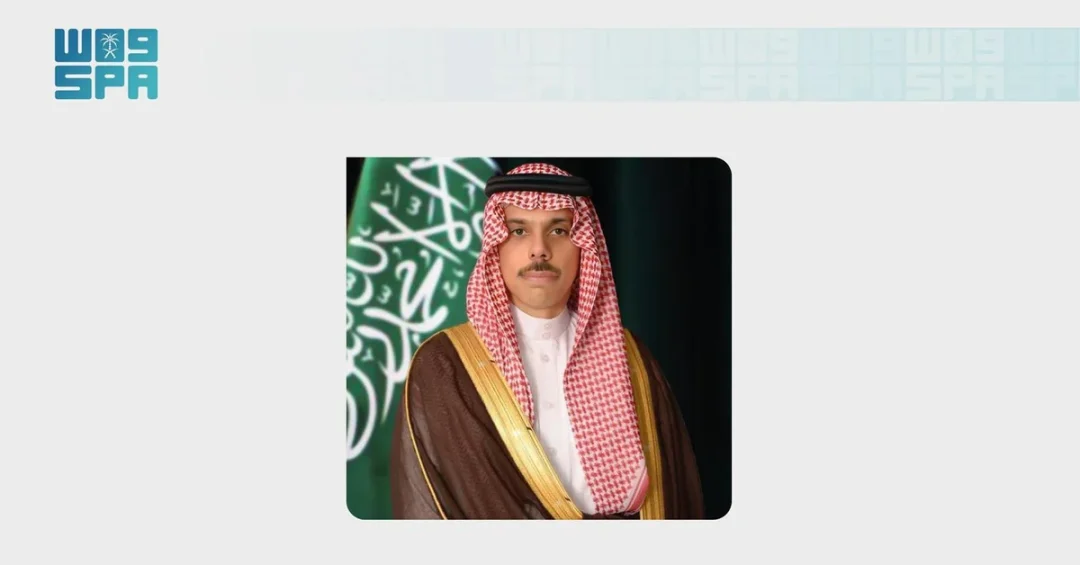
Saudi Minister of Foreign Affairs Prince Faisal bin Farhan bin Abdullah received a phone call from Omani Foreign Minister Sayyid Badr bin Hamad Albusaidi on September 10, 2026, during which Oman condemned attacks targeting civilian and economic facilities in southern Saudi Arabia and reaffirmed its solidarity with the Kingdom. The two top diplomats also discussed the latest regional developments, stressing the importance of ensuring the security and freedom of maritime navigation and supporting diplomatic efforts to de-escalate tensions and enhance regional security and stability, according to the Saudi Press Agency.
Context and Background
The call reflects the continuing close coordination between Saudi Arabia and the Sultanate of Oman, two neighboring Gulf states that share a deep historic partnership and a common interest in regional peace. Oman has long played a quiet but constructive role in regional diplomacy, and its public expression of solidarity with the Kingdom underscores the strength of Gulf Cooperation Council (GCC) ties. The exchange took place against a backdrop of heightened attention to the safety of civilian infrastructure and commercial shipping routes in the region, which are vital to global energy supplies and trade. Saudi Arabia has consistently advocated for dialogue and de-escalation as the path to lasting stability, a position reaffirmed in this conversation between Prince Faisal and Sayyid Badr.
Key Details
During the call, Foreign Minister Albusaidi conveyed Oman’s condemnation of the attacks on civilian and economic facilities in southern Saudi Arabia and expressed his country’s solidarity with the Kingdom. The ministers reviewed the latest regional developments and emphasized the importance of guaranteeing the security and freedom of maritime navigation — a priority for both nations given their strategic locations along key waterways. They also underscored their support for diplomatic efforts aimed at reducing tensions and strengthening regional security and stability. The Saudi Press Agency reported that the discussion was held in a spirit of mutual understanding and shared commitment to peaceful resolution of disputes.
Implications and Impact
The conversation carries significance beyond the bilateral relationship. It signals a unified Gulf stance on protecting civilian infrastructure and maintaining uninterrupted commercial flows through regional waters, which are essential to the global economy. For international observers, the call highlights Saudi Arabia’s active diplomatic engagement and its openness to coordination with partners to prevent escalation. Oman’s explicit condemnation also reinforces the principle that attacks on civilian and economic targets are unacceptable, a message that resonates with allies and investors worldwide. The emphasis on maritime security is particularly relevant for shipping lanes that connect the region to Asia, Europe, and the Americas, where any disruption could affect energy prices and supply chains.
Vision 2030 Alignment
This diplomatic exchange aligns with Saudi Vision 2030’s goal of positioning the Kingdom as a stable, secure, and globally connected hub for trade and investment. By working with Oman and other regional partners to uphold security and freedom of navigation, Saudi Arabia supports the safe flow of goods and energy that underpins its economic diversification efforts. The call also reflects the Vision’s emphasis on constructive international engagement and conflict prevention, reinforcing the Kingdom’s role as a responsible actor committed to peace and prosperity in the region and beyond.
20 Questions
Q1. Who initiated the phone call between the Saudi and Omani foreign ministers?
A1. The call was initiated by Omani Foreign Minister Sayyid Badr bin Hamad Albusaidi to Saudi Foreign Minister Prince Faisal bin Farhan bin Abdullah on September 10, 2026. The Saudi Press Agency reported the exchange, which focused on regional security and bilateral coordination.
Q2. What did Oman express regarding the attacks in southern Saudi Arabia?
A2. Oman expressed its condemnation of the attacks targeting civilian and economic facilities in southern Saudi Arabia and reaffirmed its solidarity with the Kingdom. This position was conveyed by Foreign Minister Albusaidi during the call, according to the Saudi Press Agency.
Q3. What is the significance of ensuring freedom of maritime navigation for Saudi Arabia and Oman?
A3. Both nations rely on secure sea lanes for energy exports and trade. Ensuring freedom of navigation protects global commerce, stabilizes oil markets, and supports economic growth. The ministers stressed this as a shared priority during their discussion on September 10, 2026.
Q4. How does this call reflect Gulf Cooperation Council unity?
A4. The call demonstrates unified Gulf support for Saudi Arabia and a common stance against attacks on civilian infrastructure. It shows that GCC members coordinate closely on security and diplomacy, reinforcing regional solidarity and collective efforts to maintain stability.
Q5. What role has Oman played in regional diplomacy recently?
A5. Oman has been a consistent advocate for dialogue and de-escalation, often facilitating quiet diplomacy among regional parties. Its public condemnation of attacks on Saudi facilities underscores its commitment to stability and its constructive role within the Gulf and broader Middle East.
Q6. Why is maritime security a key topic in Saudi-Omani relations?
A6. Both countries border strategic waterways, including the Strait of Hormuz and the Arabian Sea. Secure navigation ensures uninterrupted oil and gas shipments. Their foreign ministers regularly discuss ways to protect shipping lanes from threats that could disrupt global trade.
Q7. What did the ministers discuss regarding diplomatic efforts?
A7. They emphasized support for diplomatic efforts to de-escalate tensions and enhance regional security and stability. This includes backing peaceful dialogue and conflict prevention measures, reflecting both nations’ preference for diplomacy over confrontation in resolving disputes.
Q8. How does this development affect international investors?
A8. It signals a stable and secure environment for business, reassuring investors about the safety of trade routes and infrastructure. Continued Saudi-Omani coordination helps maintain confidence in the region’s economic prospects, supporting investment flows and Vision 2030 diversification goals.
Q9. What is the Saudi Press Agency’s role in reporting such diplomatic calls?
A9. The Saudi Press Agency (SPA) is the Kingdom’s official news outlet, providing authoritative and timely coverage of government activities, including high-level diplomatic engagements. Its reports serve as a reliable source for domestic and international audiences seeking accurate information.
Q10. How does Saudi Arabia’s foreign policy prioritize regional stability?
A10. Saudi foreign policy consistently emphasizes dialogue, de-escalation, and cooperation to prevent conflicts. By engaging with partners like Oman, the Kingdom works to create a secure environment that enables economic development and protects civilian populations and critical infrastructure.
Q11. What message does Oman’s condemnation send to the international community?
A11. It sends a clear message that attacks on civilian and economic targets are unacceptable and that regional states stand together against such actions. This reinforces norms of protecting non-combatant infrastructure and supports global calls for restraint.
Q12. How might this call influence future Saudi-Omani cooperation?
A12. It is likely to strengthen bilateral coordination on security, maritime protection, and diplomatic initiatives. Regular consultations help align positions on regional issues, paving the way for joint efforts in conflict prevention and economic collaboration under frameworks like Vision 2030.
Q13. What are the economic implications of attacks on civilian facilities in southern Saudi Arabia?
A13. Such attacks can disrupt local economies and threaten broader trade if they target infrastructure linked to energy or transport. Condemnation and solidarity from partners like Oman help deter future incidents and reassure markets about the resilience of Saudi economic assets.
Q14. How does Saudi Vision 2030 relate to regional security efforts?
A14. Vision 2030 aims to diversify the economy and attract global investment, which requires a stable and secure region. Diplomatic engagements like this call support that goal by reducing tensions and protecting the trade routes and infrastructure essential for economic transformation.
Q15. What specific waterways are vital to Saudi and Omani trade?
A15. The Strait of Hormuz, the Gulf of Oman, and the Arabian Sea are critical for oil and gas exports. Safe passage through these routes is essential for both countries’ economies and for global energy supplies, making maritime security a top priority.
Q16. Did the call address any specific attacks or groups?
A16. The Saudi Press Agency report did not specify the perpetrators. It focused on Oman’s condemnation of the attacks in general and the ministers’ discussion on de-escalation, maritime security, and regional stability, without naming any particular group.
Q17. How does this call align with Saudi Arabia’s broader diplomatic outreach?
A17. It is part of Saudi Arabia’s ongoing efforts to engage regional and international partners in dialogue. The Kingdom frequently consults with GCC states and other allies to build consensus on security issues and promote peaceful resolution of conflicts.
Q18. What is the likely follow-up to this conversation?
A18. Follow-up may include continued consultations at the ministerial level, joint diplomatic initiatives, and coordination in multilateral forums. Both nations are expected to maintain close contact to monitor developments and advance shared goals of stability and prosperity.
Q19. How does Oman’s solidarity benefit Saudi Arabia strategically?
A19. Oman’s solidarity strengthens Saudi Arabia’s diplomatic position by demonstrating regional backing against threats. It also enhances collective security within the GCC and reinforces the principle that attacks on civilian infrastructure are universally condemned, deterring potential aggressors.
Q20. What does this development mean for the future of Middle East stability?
A20. It represents a positive step toward regional de-escalation through dialogue and cooperation. Such diplomatic coordination between key Gulf states supports long-term stability, encourages peaceful dispute resolution, and contributes to a more secure environment for economic growth.
Reader Feedback
We value your thoughts. Please share your feedback on this article.
Your feedback helps us improve our coverage.