


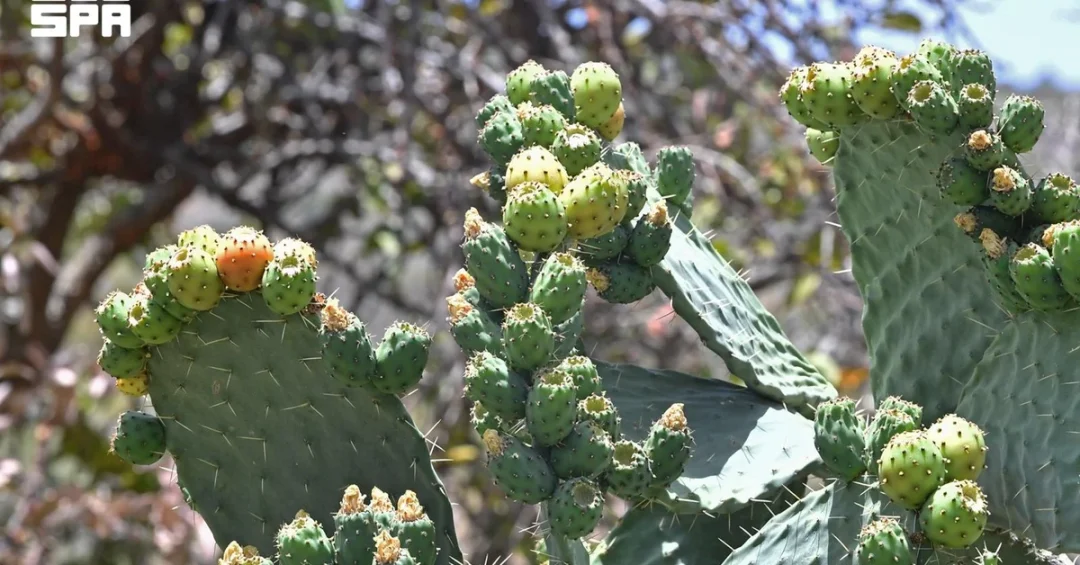
As the summer harvest season returns to the Asir region, the prickly pear, locally known as “Al-Barshoumi,” is once again making its presence felt in local markets and sales points near tourist sites and roads leading to parks. This seasonal phenomenon has become a distinctive feature of the region’s summer, drawing both visitors and residents to the vibrant colors of the fruit and supporting the local rural economy.
Context and Background
The Asir region, renowned for its mountainous terrain and moderate climate, provides an ideal environment for the cultivation of the prickly pear, a succulent plant belonging to the cactus family. The fruit, which varies in color from green to yellow, orange, red, and even darker shades, thrives in the region’s diverse landscapes, including slopes, valleys, and agricultural areas. This year’s harvest, which began in the summer and extends into early autumn, has seen a surge in demand, particularly during the holiday season when domestic tourism peaks.
Key Details
Agricultural researcher Engineer Hamed Al-Wadai highlighted the plant’s resilience to arid conditions and its adaptability to the region’s topography. He noted that while harvesting requires careful handling due to the fine spines surrounding the fruit, the season provides a significant seasonal income source for local farmers and rural families. The fruit is rich in fiber, vitamin C, potassium, magnesium, calcium, and antioxidant compounds, making it a nutritious addition to the seasonal fruit offerings.
Sales points strategically located near tourist destinations and along scenic routes have played a crucial role in connecting visitors with local produce, offering an authentic taste of Asir’s agricultural heritage. This initiative not only boosts the rural economy but also enhances the tourist experience by showcasing the region’s traditional farming practices.
Implications and Impact
The resurgence of Al-Barshoumi in Asir’s markets underscores the broader potential of local seasonal products to stimulate economic and tourism activities. By combining product quality, the uniqueness of the location, and an immersive visitor experience, the fruit has become a symbol of how agriculture can contribute to sustainable development. The presence of the fruit in markets and picnic spots reinforces the importance of integrating local agriculture into the tourism value chain, offering additional marketing avenues for rural products.
Vision 2030 Alignment
This seasonal highlight aligns with Saudi Arabia’s Vision 2030, which emphasizes the development of the tourism sector and the empowerment of rural communities. By promoting local products and integrating them into the tourism experience, the Kingdom is fostering economic diversification and enhancing the quality of life in regions like Asir. The success of Al-Barshoumi demonstrates the potential of local initiatives to contribute to the national goal of building a vibrant society and a thriving economy, while preserving cultural heritage and promoting sustainability.
20 Questions
Q1. What is Al-Barshoumi?
A1. Al-Barshoumi is the local name for the prickly pear, a cactus fruit that grows abundantly in the Asir region of Saudi Arabia. It is known for its vibrant colors and nutritional benefits, and it plays a key role in the local economy and tourism.
Q2. Where is Al-Barshoumi commonly found?
A2. Al-Barshoumi is commonly found in the Asir region, particularly on slopes, in valleys, and in agricultural areas. Its cultivation is well-suited to the region’s dry climate and varied terrain, making it a prominent feature of the local landscape.
Q3. When is the harvest season for Al-Barshoumi?
A3. The harvest season for Al-Barshoumi begins in the summer and extends into the early autumn. This period aligns with the peak tourist season in Asir, providing a fresh supply for both locals and visitors.
Q4. Why is Al-Barshoumi important to Asir’s economy?
A4. Al-Barshoumi provides a seasonal income for local farmers and rural families, boosting the rural economy. Its sale in markets and tourist areas also supports small businesses and contributes to the region’s overall economic activity.
Q5. How does Al-Barshoumi support tourism in Asir?
A5. Al-Barshoumi enhances tourism by offering visitors a taste of local agricultural produce, often sold near tourist sites and scenic routes. This adds an authentic culinary experience and connects tourists with the region’s cultural and agricultural heritage.
Q6. What are the nutritional benefits of Al-Barshoumi?
A6. Al-Barshoumi is rich in dietary fiber, vitamin C, potassium, magnesium, and calcium, and contains antioxidant compounds. These nutrients make it a healthy addition to a balanced diet, supporting overall wellness.
Q7. Who is Engineer Hamed Al-Wadai?
A7. Engineer Hamed Al-Wadai is an agricultural researcher who provided expert insights on the cultivation and benefits of Al-Barshoumi. He highlighted its adaptability and the care required during harvesting due to its spines.
Q8. What challenges are associated with harvesting Al-Barshoumi?
A8. Harvesting Al-Barshoumi requires careful handling because the fruit is covered in fine spines. This necessitates protective gear and meticulous techniques to avoid injury, making the process labor-intensive.
Q9. How does Al-Barshoumi adapt to the climate of Asir?
A9. Al-Barshoumi is a succulent plant that thrives in dry conditions, making it well-suited to Asir’s climate. The plant’s ability to store water and withstand high temperatures allows it to flourish on slopes and in valleys.
Q10. What colors does Al-Barshoumi come in?
A10. Al-Barshoumi fruits come in a range of colors, including green, yellow, orange, red, and darker shades. This variety adds visual appeal and offers different flavor profiles for consumers.
Q11. How is Al-Barshoumi sold in Asir?
A11. Al-Barshoumi is sold in local markets and dedicated sales points along highways and near tourist attractions. These outlets are strategically placed to attract customers and promote the fruit’s seasonal availability.
Q12. What role do rural families play in the Al-Barshoumi trade?
A12. Rural families are key producers of Al-Barshoumi, using traditional farming methods. The fruit provides a vital source of income, especially during the summer, when demand is high.
Q13. Is Al-Barshoumi a sustainable source of income?
A13. Yes, Al-Barshoumi offers a sustainable income source as it returns every season. With proper cultivation, it provides reliable economic benefits for farmers and rural communities in Asir.
Q14. How does Al-Barshoumi contribute to Saudi Arabia’s Vision 2030?
A14. Al-Barshoumi supports Vision 2030 by promoting rural economic development and enhancing tourism. It aligns with goals to diversify the economy and improve the quality of life, particularly in regions like Asir.
Q15. What makes Al-Barshoumi popular among locals and tourists?
A15. Its sweet and juicy fruit, combined with its local cultural significance, makes it popular. Tourists enjoy trying a native produce, while locals appreciate its taste and nutritional value.
Q16. How is Al-Barshoumi used in local cuisine?
A16. Al-Barshoumi is eaten fresh, but it is also used in juices, jams, and desserts. Its versatility makes it a favorite ingredient in Asir’s culinary traditions.
Q17. What is the economic impact of Al-Barshoumi on Asir’s markets?
A17. The sale of Al-Barshoumi stimulates market activity, attracting customers and generating revenue for vendors. This contributes to the local economy, particularly in rural areas where agriculture is a primary livelihood.
Q18. How does Al-Barshoumi affect the tourist experience?
A18. Al-Barshoumi enriches the tourist experience by offering a taste of local culture and agriculture. Its presence in scenic spots allows visitors to engage with the region’s traditions and natural bounty.
Q19. What are the future prospects for Al-Barshoumi production?
A19. With growing tourism and interest in local products, the future looks promising. There is potential for expanded cultivation and marketing, especially with increased focus on organic and regional produce.
Q20. Where can visitors buy Al-Barshoumi?
A20. Visitors can buy Al-Barshoumi at local markets, roadside stalls near parks, and designated sales points near tourist sites. These locations ensure easy access and a fresh supply for consumers.
Reader Feedback
We value your thoughts. Please share your feedback on this article.
Your feedback helps us improve our coverage.