


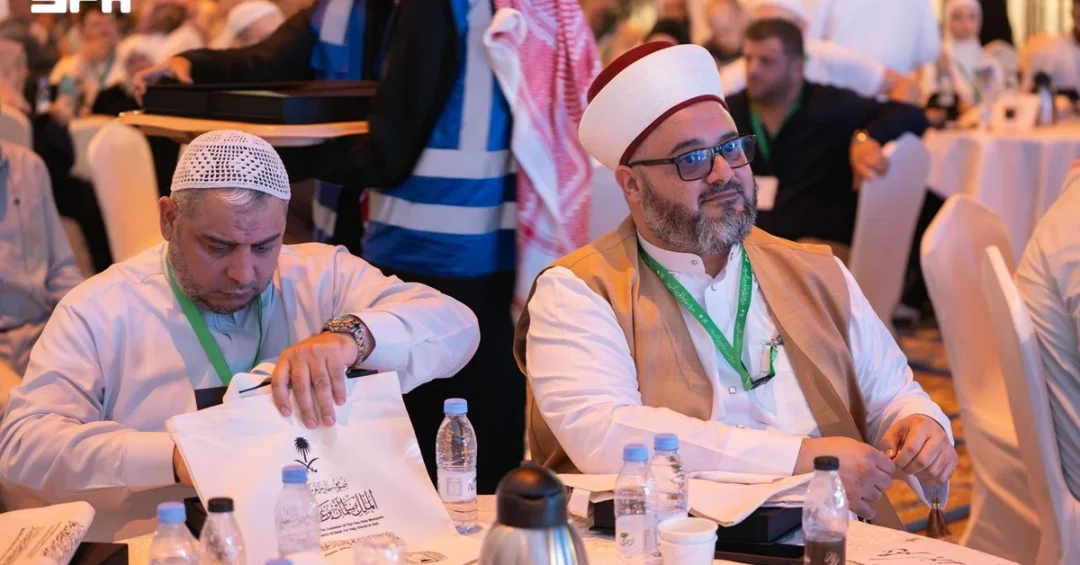
The Saudi Ministry of Islamic Affairs, Dawah and Guidance organized an open day for guests of the second batch of the Custodian of the Two Holy Mosques’ Program for Umrah and Visit in the Al-Hada area of Taif Governorate, as part of the cultural program accompanying the visit. The event, held on August 14, 2026, welcomed the guests to the Na’man – Al-Kur area, where they ascended by cable car to Al-Hada and enjoyed the scenic views and sites that distinguish the region. This initiative reflects the Kingdom’s commitment to enriching the experience of visitors and showcasing its cultural and natural heritage.
Context and Background
The Custodian of the Two Holy Mosques’ Program for Umrah and Visit is a longstanding initiative that underscores Saudi Arabia’s dedication to serving pilgrims and visitors. Launched under the patronage of the Saudi leadership, the program aims to provide a comprehensive spiritual and cultural journey for guests from around the world. The second batch began their journey in Medina, where they visited the Prophet’s Mosque and the Rawdah, along with several historical and cultural landmarks, before heading to Mecca to perform Umrah. The program integrates religious, intellectual, cultural, and recreational activities, enhancing the guests’ understanding of Islam and Saudi Arabia’s rich heritage.
Key Details
The open day event in Taif featured the ascent via cable car from the Na’man area to Al-Hada, offering breathtaking views of the mountainous terrain. Guests also explored various sites and landmarks, enjoying the region’s natural beauty. This cultural immersion is part of a broader schedule that includes religious lectures, scientific sessions, and cultural encounters designed to deepen the guests’ appreciation of the Kingdom’s history and development. The program is a testament to Saudi Arabia’s hospitality and its commitment to facilitating a memorable and enriching experience for all visitors.
Implications and Impact
Such programs reinforce Saudi Arabia’s standing as a global hub for Islamic culture and tourism, aligning with the goals of Vision 2030 to diversify the economy and promote the Kingdom as a premier destination. By offering guests a blend of spirituality and cultural exploration, the initiative enhances mutual understanding and fosters goodwill among international visitors. The open day in Taif also highlights the Kingdom’s investment in tourism infrastructure, such as the cable car system, which supports local economies and showcases the country’s natural and cultural assets to the world.
Vision 2030 Alignment
This initiative directly supports Saudi Arabia’s Vision 2030 by promoting cultural exchange, boosting the tourism sector, and showcasing the Kingdom’s rich heritage. Through programs like the Custodian of the Two Holy Mosques’ Program, Saudi Arabia continues to demonstrate its role as a leader in the Islamic world and its commitment to welcoming guests from all nations. As the Kingdom progresses toward its ambitious goals, such efforts contribute to a vibrant society, a thriving economy, and an ambitious nation, solidifying its position on the global stage.
20 Questions
Q1. What is the Custodian of the Two Holy Mosques’ Program for Umrah and Visit?
A1. It is a Saudi initiative that invites guests from around the world to perform Umrah and visit Islamic historical sites, providing a comprehensive spiritual and cultural experience.
Q2. Who organized the open day event in Taif?
A2. The Ministry of Islamic Affairs, Dawah and Guidance organized the event as part of the program’s cultural activities.
Q3. Where did the open day take place?
A3. The event was held in the Al-Hada area of Taif Governorate, specifically in the Na’man area.
Q4. What activity did guests participate in at the event?
A4. Guests ascended via cable car to Al-Hada and enjoyed the scenic views and local attractions.
Q5. When was the open day held?
A5. The event took place on August 14, 2026.
Q6. What is the program’s second batch?
A6. The second batch refers to the group of guests participating in the program, starting their journey in Medina.
Q7. Where did the second batch begin their journey?
A7. They began in Medina, where they visited the Prophet’s Mosque and the Rawdah.
Q8. What other sites did the guests visit?
A8. They visited various historical and cultural landmarks in Medina and later traveled to Mecca for Umrah.
Q9. What types of activities are included in the program?
A9. The program includes religious, intellectual, cultural, and recreational activities.
Q10. Why is the program significant?
A10. It showcases Saudi Arabia’s hospitality and commitment to serving visitors, enhancing their spiritual and cultural experience.
Q11. How does the program support Vision 2030?
A11. It promotes cultural exchange, boosts tourism, and highlights the Kingdom’s heritage, aligning with economic diversification goals.
Q12. What is the role of the Ministry of Islamic Affairs in this event?
A12. The ministry organized and facilitated the open day as part of the cultural program.
Q13. What is the significance of Al-Hada?
A13. Al-Hada is a mountainous region in Taif known for its scenic beauty and tourism appeal.
Q14. How does the cable car experience contribute to the visit?
A14. It provides guests with breathtaking views and an immersive experience of the region’s landscape.
Q15. What is the cultural aspect of the program?
A15. It includes visits to historical sites, lectures, and opportunities to learn about Islamic culture and Saudi heritage.
Q16. How does the program benefit the guests?
A16. It enriches their spiritual journey and broadens their understanding of Saudi Arabia.
Q17. Are guests from different countries?
A17. Yes, the program invites guests from various countries to foster international goodwill.
Q18. What does the program reflect about Saudi Arabia?
A18. It reflects the Kingdom’s leadership in the Islamic world and its dedication to hospitality.
Q19. How does this event align with Saudi Arabia’s tourism goals?
A19. It promotes domestic tourism and showcases natural attractions, supporting Vision 2030’s tourism targets.
Q20. What is the future outlook for such programs?
A20. The Kingdom expects to continue such initiatives, expanding cultural and religious tourism as part of its long-term strategy.
Reader Feedback
We value your thoughts. Please share your feedback on this article.
Your feedback helps us improve our coverage.