


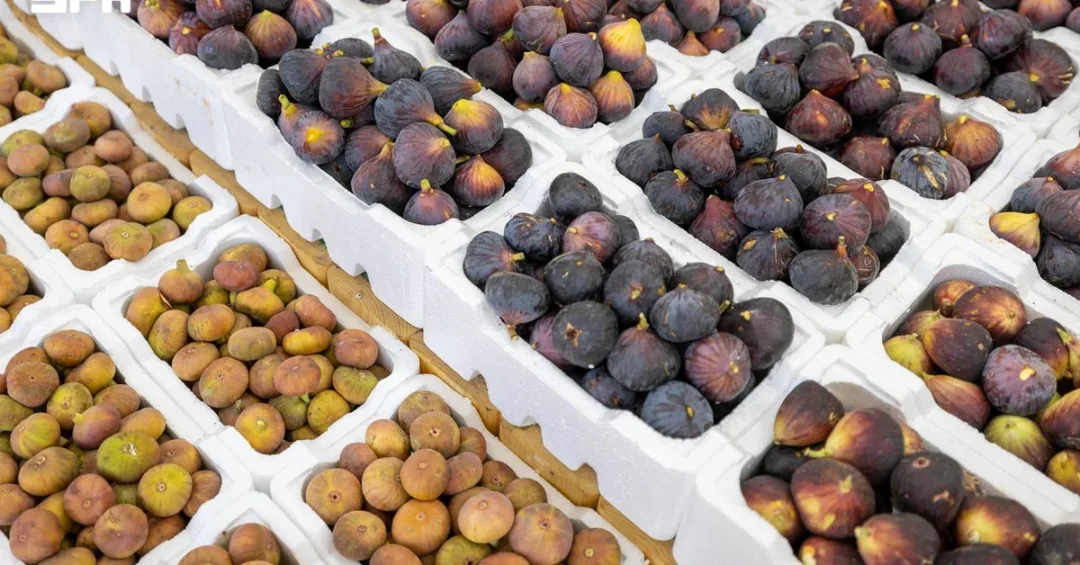
Sakaka, Aug. 24, 2025 (SPA) – The Al-Jouf region, renowned for its fertile soil and high-quality water resources, is celebrating a significant agricultural milestone, with fig production exceeding 880 tons annually. This thriving sector showcases the region’s agricultural diversity and commitment to Vision 2030’s food security goals.
Context and Background
Al-Jouf, located in northwestern Saudi Arabia, enjoys a unique microclimate and abundant groundwater, making it an ideal hub for cultivating various fruits. Historically, the region has been known for its olive and date production, but recent investments in modern farming techniques have expanded its horticultural repertoire. The introduction of fig varieties from around the world underscores Saudi Arabia’s agricultural modernization and its drive toward self-sufficiency in fresh produce.
Key Details
Aqab Al-Ruwaili, Director of the Ministry of Environment, Water, and Agriculture’s branch in Sakaka, confirmed the annual fig output, emphasizing that nine distinct varieties are cultivated across the region. These include ‘Brown Turkey’, ‘Saltani’, ‘Baladi’, ‘Spanish Yellow’, ‘Ghanaian’, ‘Aboud’, ‘French’, ‘Asli’, and ‘Spanish Black’. This diversity reflects successful experimental farming and adaptation of international cultivars to local conditions. Farmers employ advanced irrigation and pest management techniques, ensuring high yields and premium quality that meet both domestic and export standards.
Implications and Impact
The robust fig production bolsters the local economy by creating job opportunities and supporting agro-industries. It also enhances Saudi Arabia’s position as a competitive player in the global fruit trade, reducing reliance on imports. The success in Al-Jouf serves as a model for other regions, demonstrating how targeted agricultural investments can yield substantial returns. Additionally, it strengthens rural communities, encourages youth employment in agriculture, and promotes a healthy lifestyle among Saudis through increased access to fresh, nutritious fruits.
Vision 2030 Alignment
This agricultural achievement aligns perfectly with Saudi Vision 2030’s goals of enhancing food security, diversifying the economy, and promoting sustainable practices. By leveraging natural resources and human capital, the Kingdom is transforming its agricultural sector into a pillar of economic growth. Future plans include expanding fig cultivation, improving supply chains, and exploring export markets, reinforcing Saudi Arabia’s commitment to a prosperous and resilient future.
20 Questions
Q1. What is the annual fig production in Al-Jouf?
A1. The annual fig production in Al-Jouf exceeds 880 tons, as reported by the Ministry of Environment, Water, and Agriculture’s Sakaka branch director.
Q2. How many fig varieties are cultivated in Al-Jouf?
A2. Nine distinct varieties are grown, including Brown Turkey, Saltani, Baladi, Spanish Yellow, Ghanaian, Aboud, French, Asli, and Spanish Black.
Q3. Where is Al-Jouf located?
A3. Al-Jouf is in northwestern Saudi Arabia, known for its fertile soil and high-quality water resources.
Q4. Who announced the fig production figures?
A4. Aqab Al-Ruwaili, Director of the Ministry of Environment, Water, and Agriculture’s branch in Sakaka, announced the figures.
Q5. What factor contributes to Al-Jouf’s agricultural diversity?
A5. Fertile soil and high-quality water resources are key factors fostering a wide range of crops.
Q6. What are some of the fig varieties grown?
A6. Varieties include Brown Turkey, Saltani, Baladi, Spanish Yellow, Ghanaian, Aboud, French, Asli, and Spanish Black.
Q7. How does fig farming impact local employment?
A7. Fig farming creates jobs and supports agro-industries, boosting the local economy.
Q8. What techniques do farmers use in fig cultivation?
A8. Farmers use advanced irrigation and pest management techniques to ensure high yields and quality.
Q9. Why is fig production important for Saudi Arabia?
A9. It reduces reliance on imports and contributes to food security, a key Vision 2030 goal.
Q10. How does fig production align with Vision 2030?
A10. It supports economic diversification, food security, and sustainable agricultural practices.
Q11. What other crops is Al-Jouf famous for?
A11. Al-Jouf is also known for olive and date production, which are traditional staples.
Q12. What role do farmers play in Al-Jouf’s fig success?
A12. Farmers continuously improve cultivation and care methods, enhancing production quality.
Q13. How does fig cultivation benefit rural communities?
A13. It strengthens rural communities by providing income and encouraging youth participation in agriculture.
Q14. Is there potential for fig exports from Al-Jouf?
A14. Yes, given the high quality, there is potential for exports, further boosting the economy.
Q15. What does the fig diversity indicate?
A15. The diversity reflects successful research and experimentation in agricultural techniques.
Q16. How does fig farming contribute to healthy lifestyles?
A16. It provides access to fresh, nutritious figs, promoting healthier diets among Saudis.
Q17. What future plans exist for fig cultivation?
A17. Future plans include expanding cultivation, improving supply chains, and exploring export markets.
Q18. What is the significance of Al-Jouf’s water quality?
A18. High-quality water is essential for producing superior fruit, contributing to the region’s success.
Q19. How does the ministry support fig farmers?
A19. The ministry provides guidance, technical support, and resources to optimize farming practices.
Q20. What does this achievement symbolize for Saudi agriculture?
A20. It symbolizes Saudi Arabia’s commitment to modernization, sustainability, and self-sufficiency, reflecting Vision 2030’s goals.
Reader Feedback
We value your thoughts. Please share your feedback on this article.
Your feedback helps us improve our coverage.