


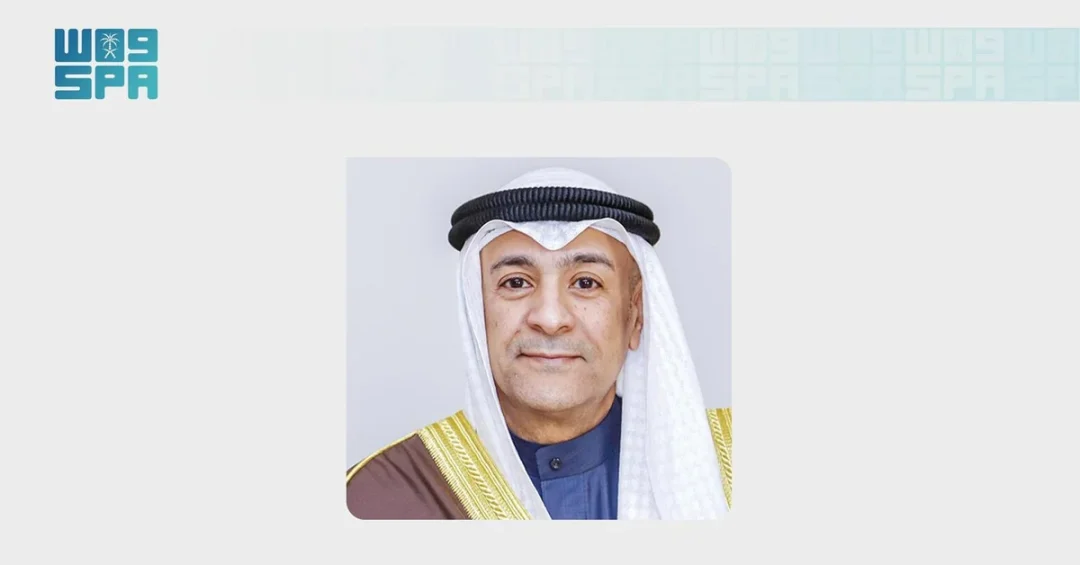
Cairo, August 13, 2026 – The Secretary-General of the Gulf Cooperation Council (GCC), Jassim Mohamed Al-Budaiwi, met today in Cairo with the Secretary-General of the League of Arab States, Nabil Fahmy, to discuss the 2021 Memorandum of Understanding (MoU) between the two organizations and enhance coordination on regional and international issues. The meeting underscored the commitment of both bodies to strengthening Arab joint action and addressing shared challenges.
Context and Background
The meeting comes amid a period of heightened regional cooperation and dialogue. The MoU signed in October 2021 established a framework for regular consultations and collaborative initiatives between the GCC and the Arab League, covering areas such as political coordination, economic integration, and cultural exchange. This agreement serves as a cornerstone for fostering unity and stability within the Arab world.
Both Secretary-Generals emphasized the importance of translating the MoU’s objectives into tangible outcomes. The discussions in Cairo build on prior consultations and aim to streamline efforts to address regional challenges, including economic diversification and sustainable development, in line with the aspirations of member states.
Key Details
According to an official statement from the Saudi Press Agency, the two leaders reviewed the implementation status of the MoU and explored ways to enhance coordination. They exchanged views on recent regional and international developments, including efforts to promote peace and security, and underscored the need for unified Arab stances on key issues.
The meeting also highlighted the GCC’s role in supporting Arab League initiatives, particularly in economic integration and humanitarian aid. Al-Budaiwi reaffirmed the GCC’s commitment to fostering closer ties, while Fahmy expressed appreciation for the GCC’s constructive role, aligning with Vision 2030’s goals of regional partnership and global engagement.
Implications and Impact
The strengthening of GCC-Arab League cooperation holds significant implications for the region. Enhanced political coordination can lead to more effective diplomatic initiatives, while economic collaboration could accelerate trade and investment flows. For Saudi Arabia, these efforts align with its Vision 2030 goal of positioning the Kingdom as a hub for regional and international dialogue, driving stability and prosperity.
Moreover, unified Arab positions on international platforms could amplify the voice of the region in global forums. The meeting signaled a mutual desire to overcome obstacles and move forward on shared priorities, such as sustainable development and technological innovation, benefiting all Arab nations.
Vision 2030 Alignment
This meeting reflects Saudi Arabia’s leadership in fostering regional solidarity, a key pillar of Vision 2030. By strengthening ties between the GCC and the Arab League, the Kingdom supports the creation of a cohesive and resilient Arab bloc, capable of addressing future challenges. As Vision 2030 drives economic transformation and social modernization, such diplomatic engagements pave the way for a more interconnected and thriving Arab world.
20 Questions
Q1. Who met in Cairo on August 13, 2026?
A1. Jassim Mohamed Al-Budaiwi, Secretary-General of the Gulf Cooperation Council, met with Nabil Fahmy, Secretary-General of the League of Arab States, to discuss regional cooperation.
Q2. What was the main topic of the meeting?
A2. The primary focus was the implementation of the October 2021 Memorandum of Understanding between the GCC and the Arab League, along with enhancing coordination on regional and international matters.
Q3. When was the GCC-Arab League MoU signed?
A3. The Memorandum of Understanding was signed in October 2021, establishing a framework for cooperation between the two regional organizations.
Q4. Which organizations were represented at the meeting?
A4. The Gulf Cooperation Council (GCC) and the League of Arab States were represented by their Secretaries-General, with the GCC also representing its member states including Saudi Arabia.
Q5. Where was the meeting held?
A5. The meeting took place in Cairo, the capital of Egypt, which also serves as the headquarters of the Arab League.
Q6. What is the role of the GCC in regional cooperation?
A6. The GCC fosters economic, political, and security integration among its six member states, including Saudi Arabia, and acts as a unified bloc in international forums to promote regional stability.
Q7. What is the role of the Arab League in the region?
A7. The Arab League facilitates coordination on political, economic, and cultural matters among Arab states, aiming to advance shared interests and resolve conflicts peacefully.
Q8. How does this meeting support Saudi Vision 2030?
A8. It supports Vision 2030 by strengthening regional partnerships, which aligns with Saudi Arabia’s goal of becoming a global dialogue hub and enhancing its diplomatic influence.
Q9. What is Saudi Arabia’s role in the GCC?
A9. Saudi Arabia is a founding member of the GCC and plays a pivotal role in shaping its policies, including hosting key summits and contributing to collective security and economic integration.
Q10. Why is the MoU important for joint Arab action?
A10. The MoU provides a structured framework for regular consultations, enabling joint efforts on political, economic, and social issues, thereby strengthening Arab solidarity and collective action.
Q11. Did the meeting result in any new agreements?
A11. No new agreements were announced; the meeting was focused on reviewing the existing MoU’s implementation and enhancing the effectiveness of coordination.
Q12. What regional developments were discussed?
A12. The leaders discussed recent regional and international developments, including issues of mutual interest such as peace efforts and economic cooperation, without specifying particular events.
Q13. How does the GCC contribute to Arab League initiatives?
A13. The GCC contributes through financial support, technical expertise, and promotion of investment opportunities, aiding initiatives like the Arab Peace Initiative and economic integration.
Q14. What is the significance of Cairo as the meeting venue?
A14. Cairo is the headquarters of the Arab League, symbolizing its central role in Arab diplomacy, making it an appropriate venue for high-level consultations.
Q15. What is the overall tone of the meeting?
A15. The tone was positive and forward-looking, with both sides expressing commitment to strengthening cooperation and addressing shared challenges for regional stability.
Q16. Will there be follow-up meetings?
A16. While no specific dates were announced, both sides emphasized continued dialogue, implying that follow-up meetings are expected under the MoU framework.
Q17. How does this meeting affect economic ties among Arab states?
A17. Enhanced cooperation through the MoU can reduce trade barriers, promote joint investments, and foster economic integration, benefiting all Arab economies including Saudi Arabia.
Q18. What is the role of the GCC Secretary-General?
A18. The Secretary-General represents the GCC, coordinates its activities, and implements decisions taken by the Supreme Council, ensuring collective action among member states.
Q19. How does this meeting impact Saudi Arabia’s international standing?
A19. It reinforces Saudi Arabia’s leadership in regional diplomacy, enhancing its image as a mediator and driver of positive change, which supports its global ambitions.
Q20. What are the future expectations from this cooperation?
A20. Future expectations include concrete achievements in economic integration, joint projects, and unified political positions, ultimately achieving the shared goals of the Arab world.
Reader Feedback
We value your thoughts. Please share your feedback on this article.
Your feedback helps us improve our coverage.