


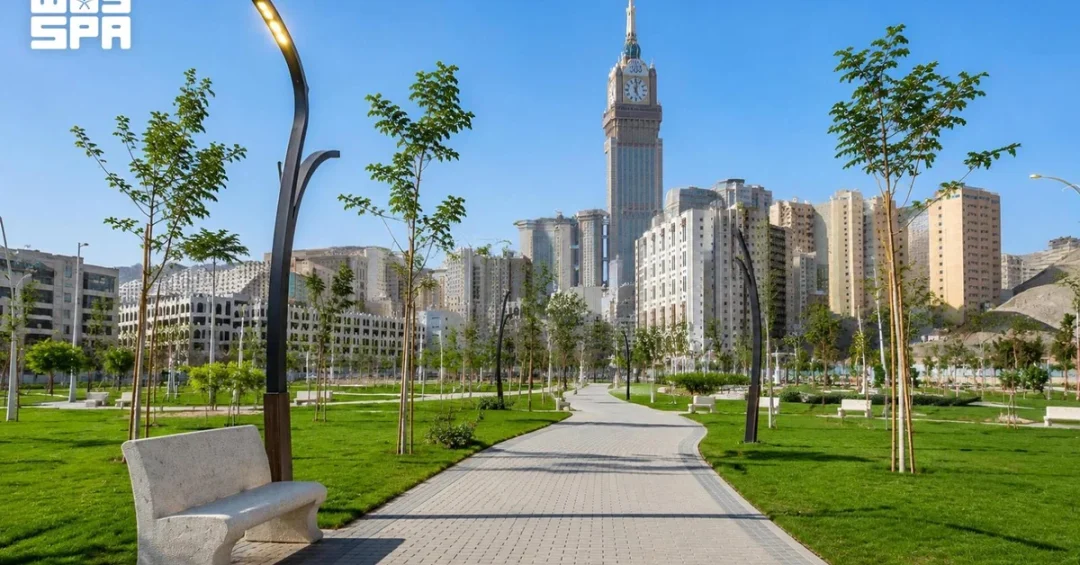
Makkah’s expanding green spaces and parks are enhancing comfort for residents, visitors, and Umrah performers, according to the Saudi Press Agency (SPA). The municipality of the holy city is actively developing parks, green belts, walkways, and public squares as part of an urban ‘humanization’ initiative, aiming to improve the quality of life and elevate the city’s aesthetic appeal, particularly during periods of high temperatures.
Context and Background
The initiative reflects Saudi Arabia’s broader commitment to environmental sustainability and urban development under Vision 2030. By integrating green infrastructure, the municipality addresses climate challenges while promoting healthier lifestyles. The project aligns with national goals to create more livable cities and enhance the experience of millions of pilgrims and visitors who come to Makkah annually.
Key Details
The municipal efforts include planting suitable trees and vegetation, installing shaded rest areas, constructing walkways, and upgrading service and recreational facilities. These measures are designed to provide shade, reduce heat absorption from surfaces, and create comfortable spaces for people to use throughout the day. The development is part of a larger plan to humanize urban spaces, making them more accessible and enjoyable for both residents and the large number of Umrah performers.
Implications and Impact
The greening of Makkah not only improves environmental conditions but also enhances the spiritual experience of visitors, offering serene and comfortable environments for reflection and rest. It also supports the Kingdom’s ambition to increase tourism and pilgrimage numbers, as a more pleasant and sustainable urban environment attracts more visitors and encourages longer stays.
Vision 2030 Alignment
This initiative directly supports Vision 2030’s goals of improving quality of life, promoting environmental sustainability, and developing the tourism and pilgrimage sectors. By investing in green spaces, the Kingdom is building a more resilient and attractive urban environment that serves its citizens and guests, reflecting its leadership in sustainable development and its commitment to welcoming the world to the holy cities.
20 Questions
Q1. What is the main purpose of Makkah’s green spaces and parks?
A1. The main purpose is to improve the urban environment, mitigate high temperatures by providing shade, and reduce heat absorption, thereby creating more comfortable spaces for residents, visitors, and Umrah performers.
Q2. Which agency announced the development of green spaces in Makkah?
A2. The Saudi Press Agency (SPA) announced the development, citing information from the Makkah Municipality, which is responsible for the city’s urban planning and infrastructure.
Q3. How do trees and greenery help in regulating climate?
A3. Trees provide shade that reduces surface heat absorption, lowers ambient temperatures through evapotranspiration, and improves air quality, thereby helping to regulate the local climate.
Q4. What specific facilities are being developed in these green spaces?
A4. The developments include planting suitable trees and plants, creating shaded rest areas, constructing walkways, and enhancing service and recreational amenities to improve usability.
Q5. How does this initiative benefit Umrah performers?
A5. It provides comfortable, shaded areas for rest and reflection, improving their overall experience during their spiritual journey, especially during hot weather.
Q6. What is the ‘humanization’ of urban spaces?
A6. Humanization refers to designing urban environments with a focus on people’s comfort and well-being, prioritizing green areas, walkability, and public spaces that enhance quality of life.
Q7. How does this project align with Saudi Vision 2030?
A7. It supports Vision 2030’s goals of improving quality of life, fostering environmental sustainability, and developing the tourism and pilgrimage sectors, contributing to a diversified economy.
Q8. Are these developments part of a larger strategy?
A8. Yes, they are part of Saudi Arabia’s broader strategy to create sustainable, livable cities and enhance the experience of millions of annual visitors to Makkah.
Q9. What types of trees are being planted?
A9. The municipality selects trees and plants that are suitable for the local climate and soil conditions, ensuring they thrive and provide effective shade and greenery.
Q10. How do these green spaces improve the city’s appearance?
A10. Green spaces add natural beauty, create visual relief from urban structures, and enhance the overall aesthetic appeal of the holy city, making it more attractive to visitors.
Q11. What impact do green spaces have on residents’ quality of life?
A11. They provide recreational opportunities, improve mental well-being, encourage physical activity, and offer quiet retreats, thereby enhancing overall quality of life.
Q12. How does the municipality ensure these spaces are accessible?
A12. The development includes walkways and resting areas designed for easy access, ensuring that people of all ages and abilities can enjoy the facilities comfortably.
Q13. Are there any recreational facilities included?
A13. Yes, the project includes service and recreational amenities, such as playgrounds or seating areas, to make the spaces more enjoyable and functional.
Q14. How does this project contribute to environmental sustainability?
A14. By increasing green cover, it helps reduce urban heat, absorb carbon dioxide, and support biodiversity, all of which are essential for environmental sustainability.
Q15. Who are the primary beneficiaries of these developments?
A15. The primary beneficiaries are the local residents of Makkah, as well as the millions of visitors and Umrah performers who come to the city throughout the year.
Q16. How does the project help in regulating temperatures?
A16. The shade provided by trees and the cooling effect of green spaces help lower ambient temperatures, making the environment more comfortable during hot periods.
Q17. When is the project expected to be completed?
A17. The SPA report indicates ongoing efforts rather than a specific completion date, as such initiatives are part of continuous urban development programs in Makkah.
Q18. What is the role of the Makkah Municipality in this project?
A18. The municipality leads the planning and implementation, ensuring that the green spaces are developed according to urban design standards and meet the needs of the community.
Q19. How does this initiative support the tourism sector?
A19. A more attractive and comfortable urban environment encourages more visitors to come and stay longer, boosting the tourism and pilgrimage sectors in line with Vision 2030.
Q20. What is the significance of green spaces for the spiritual experience?
A20. Green spaces provide peaceful, serene environments that facilitate reflection and relaxation, enhancing the spiritual experience of pilgrims and visitors to Makkah.
Reader Feedback
We value your thoughts. Please share your feedback on this article.
Your feedback helps us improve our coverage.