


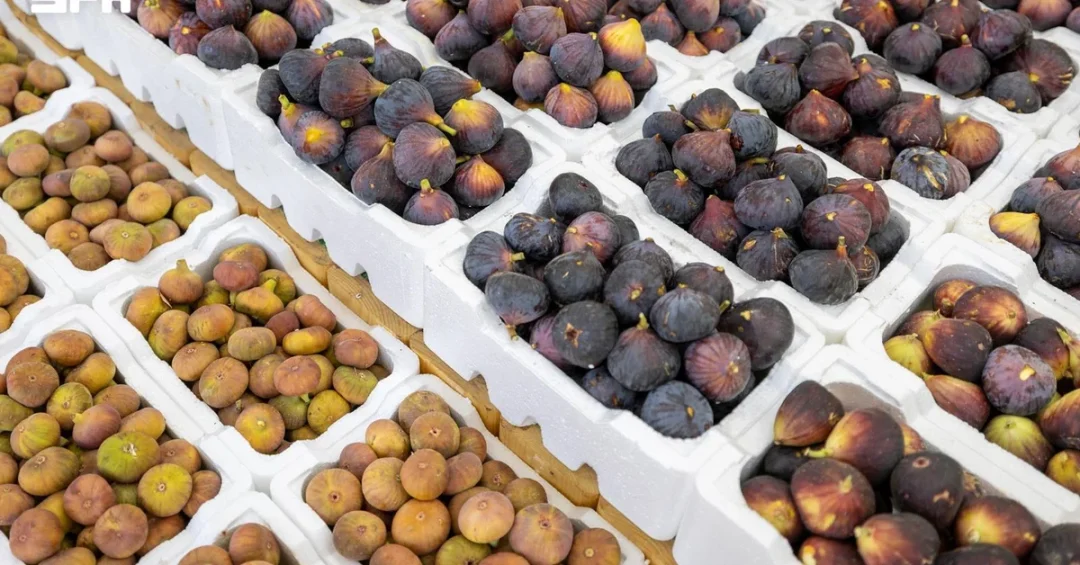
The Ministry of Environment, Water and Agriculture in Sakaka, Al-Jouf region, has announced that the annual production of figs exceeds 880 tons, highlighting the region’s agricultural diversity and commitment to Vision 2030 goals. The announcement was made by Dr. Oqab bin Makhlif Al-Ruwaili, Director of the Ministry’s office in Sakaka, who emphasized the significance of fig cultivation in the region’s agricultural portfolio.
Context and Background
Al-Jouf region, located in northwestern Saudi Arabia, is renowned for its fertile soil and high-quality water resources, which contribute to a remarkable diversity of agricultural products. The region’s favorable natural conditions, combined with the efforts of local farmers to adopt modern farming techniques, have enabled the successful cultivation of various seasonal fruits, including figs. This agricultural richness aligns with the Kingdom’s broader strategy to enhance food security and promote sustainable farming practices under Vision 2030.
Key Details
Dr. Al-Ruwaili confirmed that the region cultivates nine distinct fig varieties: Brown Turkey, Sultani, Baladi, Spanish Yellow, Ghani, Obaid, French, Honey, and Spanish Black. This diversity reflects the multiplicity of agricultural expertise in the area and provides farmers with a wide range of options for production. Farmer Masaed Al-Shammari, who has experience growing several fig varieties, underscored the importance of selecting the right cultivar and implementing careful irrigation, fertilization, and continuous monitoring to ensure high-quality fruit at harvest time.
Implications and Impact
The robust fig production in Al-Jouf contributes significantly to the local market, strengthening the presence of domestic fruits and reducing reliance on imports. This development supports the Kingdom’s efforts to diversify its economy and enhance rural livelihoods. Moreover, the success of fig cultivation serves as a model for other regions, showcasing the potential of Saudi agriculture to achieve self-sufficiency in various crops. The Ministry’s commitment to supporting farmers through modern techniques and marketing opportunities further bolsters the sector’s growth, aligning with national goals of economic diversification and environmental sustainability.
Vision 2030 Alignment
The continued expansion of fig production in Al-Jouf epitomizes the transformative spirit of Vision 2030, which aims to build a vibrant society and a thriving economy. By fostering agricultural innovation, improving product quality, and opening new markets, Saudi Arabia is not only ensuring food security but also empowering its rural communities. As the Kingdom forges ahead with its ambitious agenda, such agricultural achievements will play a pivotal role in realizing the vision of a diversified, sustainable, and prosperous nation.
20 Questions
Q1. What is the annual fig production in Al-Jouf region?
A1. The annual fig production in Al-Jouf region exceeds 880 tons, as announced by the Ministry of Environment, Water and Agriculture in Sakaka, highlighting the region’s significant agricultural output.
Q2. Who announced the fig production figures?
A2. Dr. Oqab bin Makhlif Al-Ruwaili, the Director of the Ministry of Environment, Water and Agriculture office in Sakaka, announced the fig production figures during a statement about the region’s agricultural achievements.
Q3. How many fig varieties are cultivated in Al-Jouf?
A3. Al-Jouf cultivates nine distinct fig varieties, including Brown Turkey, Sultani, Baladi, Spanish Yellow, Ghani, Obaid, French, Honey, and Spanish Black, showcasing the region’s agricultural diversity.
Q4. Why is Al-Jouf suitable for fig cultivation?
A4. Al-Jouf benefits from fertile soil and high-quality water, which are essential for fig cultivation, along with a favorable climate and the expertise of local farmers, making it ideal for diverse fruit production.
Q5. What are the main fig varieties mentioned?
A5. The main fig varieties are Brown Turkey, Sultani, Baladi, Spanish Yellow, Ghani, Obaid, French, Honey, and Spanish Black, each offering unique characteristics and flavors.
Q6. What role do farmers play in fig production?
A6. Farmers like Masaed Al-Shammari are crucial, as they select appropriate varieties, manage irrigation and fertilization, and monitor trees to ensure high-quality figs, thereby driving the region’s agricultural success.
Q7. How does fig production support Vision 2030?
A7. Fig production enhances food security, promotes sustainable agriculture, and contributes to economic diversification, all core objectives of Saudi Arabia’s Vision 2030.
Q8. What is the significance of fig cultivation for Al-Jouf’s economy?
A8. Fig cultivation provides economic opportunities for farmers, strengthens the local market with domestic products, and reduces reliance on food imports, benefiting the regional economy.
Q9. How does the Ministry support fig farmers?
A9. The Ministry supports fig farmers by providing guidance on modern techniques, facilitating marketing opportunities, and endorsing the quality of local produce, as emphasized by Dr. Al-Ruwaili.
Q10. What challenges do fig farmers face?
A10. Fig farmers may face challenges such as water management, pest control, and market access, but with support from the Ministry and adoption of modern practices, these are effectively addressed.
Q11. How does fig production impact local markets?
A11. Increased fig production ensures a steady supply of fresh, local figs in markets, enhancing consumer choice and supporting the national goal of self-sufficiency in fruit production.
Q12. Are there plans to expand fig cultivation?
A12. Yes, there is potential for expansion given the region’s agricultural capacity, and farmers are encouraged to adopt innovative methods to increase output and quality further.
Q13. What is the role of the Ministry in the fig sector?
A13. The Ministry oversees agricultural policies, provides technical support, and promotes the sector’s growth, as demonstrated by the announcement of production figures and encouragement of best practices.
Q14. How do figs contribute to food security in Saudi Arabia?
A14. By increasing domestic fig production, Saudi Arabia reduces its dependency on imported fruits, thereby strengthening national food security, a key pillar of Vision 2030.
Q15. What are the benefits of fig cultivation for farmers?
A15. Fig cultivation offers farmers a profitable crop with diverse varietal options, enabling them to adapt to market demands and improve their livelihoods.
Q16. How does Al-Jouf compare to other regions in fig production?
A16. Al-Jouf is among the leading regions in fig production in Saudi Arabia, thanks to its natural advantages and the government’s support for agricultural development.
Q17. What modern techniques are used in fig farming?
A17. Modern techniques include improved irrigation systems, appropriate fertilization, pest management, and careful monitoring of tree health to enhance yield and fruit quality.
Q18. How does the community benefit from fig production?
A18. The community benefits from job creation, increased economic activity, and access to fresh, local produce, which improves the overall quality of life in the region.
Q19. What is the outlook for fig production in Saudi Arabia?
A19. The outlook is positive, with expectations of increased production and quality as the government continues to invest in agricultural infrastructure and support for farmers.
Q20. How can consumers ensure they buy quality figs?
A20. Consumers should look for figs that are fresh, firm, and free from blemishes, and they can trust locally grown produce from Saudi farms, which are subject to quality standards.
Reader Feedback
We value your thoughts. Please share your feedback on this article.
Your feedback helps us improve our coverage.