


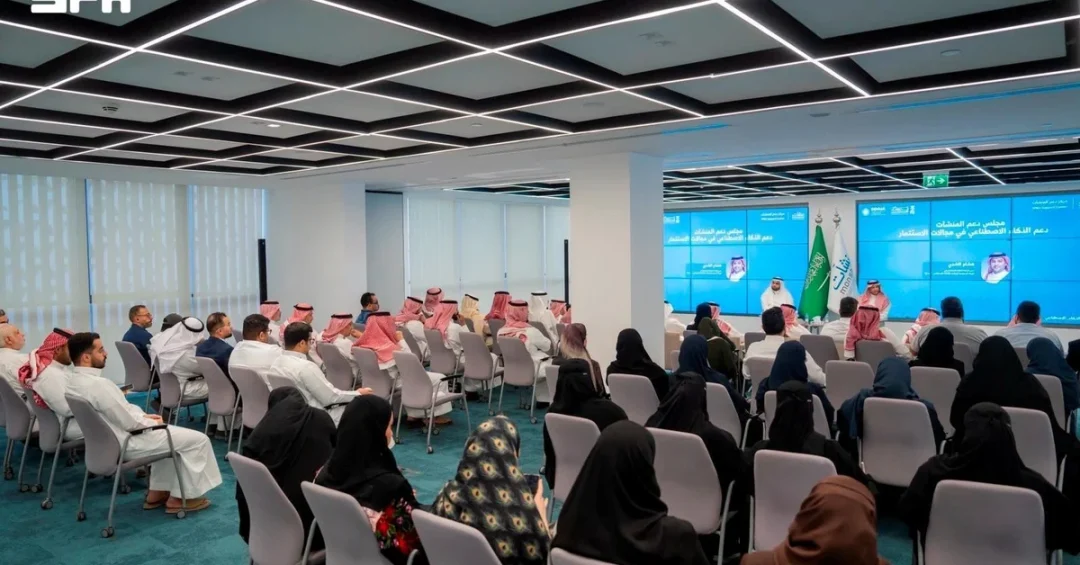
The Saudi Data and Artificial Intelligence Authority (SDAIA) confirmed that artificial intelligence has become a key driver for the growth of the business sector, opening new opportunities for small and medium enterprises (SMEs) and entrepreneurs, thereby enhancing their competitiveness in an economy rapidly transitioning to digital solutions and advanced technologies. This announcement was made during the Artificial Intelligence Week, organized by the General Authority for Small and Medium Enterprises (Monsha’at) in partnership with SDAIA, held from August 9 to 13, 2026.
Context and Background
The event underscores Saudi Arabia’s commitment to fostering innovation and digital transformation, aligning with the Kingdom’s Vision 2030 goals of diversifying the economy and empowering the private sector. With AI becoming a cornerstone of global economic development, Saudi Arabia is positioning itself as a regional leader in leveraging cutting-edge technologies to support entrepreneurship and SME growth.
SDAIA’s participation in the AI Week highlights the authority’s ongoing efforts to support the entrepreneurial ecosystem by providing practical solutions aimed at enhancing the readiness and capabilities of SMEs. This initiative reflects a broader strategy to integrate AI into various sectors, from healthcare to logistics, ensuring that Saudi businesses remain competitive on a global scale.
Key Details
The AI Week featured a series of workshops, panel discussions, and networking sessions designed to equip SME owners and entrepreneurs with the latest AI tools and best practices. Experts from SDAIA and other leading organizations shared insights on how AI can optimize operations, improve customer experiences, and drive data-informed decision-making.
One of the key highlights was the announcement of new AI-powered platforms and resources available to SMEs, including access to national data sets and AI training programs. These resources are intended to lower the barriers to AI adoption, allowing even the smallest enterprises to harness the power of intelligent automation.
Implications and Impact
The integration of AI into the SME sector is expected to have significant implications for the Saudi economy. By increasing efficiency and productivity, AI adoption can lead to the creation of new job opportunities and the development of entirely new business models. Furthermore, the initiative supports the Kingdom’s goal to increase the SME sector’s contribution to the GDP from 20% to 35% by 2030.
On an international level, Saudi Arabia’s proactive stance on AI serves as a model for other nations in the region and beyond. The collaborative approach between SDAIA and Monsha’at demonstrates a unified strategy to build a knowledge-based economy, enhancing the Kingdom’s reputation as a hub for innovation and technological advancement.
Vision 2030 Alignment
This initiative is a testament to the Kingdom’s commitment to realizing the ambitious goals of Vision 2030. By empowering SMEs with AI-driven solutions, Saudi Arabia is not only diversifying its economy but also building a resilient and future-ready business environment. As SDAIA continues to lead the charge in data and AI, the Kingdom is poised to become a global leader in digital innovation, ensuring sustainable growth and prosperity for generations to come.
20 Questions
Q1. What is the main focus of the AI Week event in Saudi Arabia?
A1. The AI Week event, organized by Monsha’at and SDAIA, focuses on showcasing how artificial intelligence can support the growth of small and medium enterprises, providing them with the tools and knowledge to enhance competitiveness.
Q2. Who organized the AI Week and when did it take place?
A2. The AI Week was organized by the General Authority for Small and Medium Enterprises (Monsha’at) in partnership with SDAIA, and took place from August 9 to 13, 2026.
Q3. What is SDAIA’s role in supporting SMEs?
A3. SDAIA provides practical AI solutions and resources, such as access to data sets and training, to help SMEs enhance their operational readiness and competitiveness.
Q4. How does AI contribute to the growth of SMEs?
A4. AI helps SMEs by automating processes, improving decision-making through data insights, and enabling them to compete more effectively in a digital economy.
Q5. What are the benefits of AI for entrepreneurs in Saudi Arabia?
A5. Entrepreneurs can leverage AI to reduce costs, optimize marketing, and create personalized customer experiences, thereby increasing their chances of success and scalability.
Q6. How does the AI Week align with Vision 2030?
A6. The AI Week supports Vision 2030’s goal to diversify the economy by fostering innovation, enhancing digital capabilities, and increasing the SME sector’s contribution to the GDP.
Q7. What specific AI tools were presented at the AI Week?
A7. The event featured AI-powered platforms for data analytics, customer relationship management, and automation, along with training programs to help SMEs adopt these tools.
Q8. How can SMEs access these AI resources?
A8. SMEs can access these resources through Monsha’at and SDAIA’s official platforms, which provide information on AI training and data access programs.
Q9. What is the significance of SDAIA’s partnership with Monsha’at?
A9. This partnership combines SDAIA’s technical expertise with Monsha’at’s focus on SME development, creating a comprehensive support system for businesses.
Q10. How will AI adoption impact the Saudi job market?
A10. AI adoption is expected to create new jobs in tech-driven roles while transforming existing ones, ultimately boosting employment opportunities in the long run.
Q11. What challenges do SMEs face in adopting AI?
A11. Challenges include the cost of implementation, lack of skilled personnel, and limited awareness of AI’s potential, which the AI Week aims to address through education and support.
Q12. Can AI help Saudi SMEs expand internationally?
A12. Yes, AI can provide insights into global markets, optimize supply chains, and improve competitive pricing, making it easier for SMEs to enter international markets.
Q13. How does the public data initiative help SMEs?
A13. Public data sets allow SMEs to analyze market trends, customer behavior, and industry dynamics, enabling better strategic decisions without extensive research costs.
Q14. What role do AI training programs play for SMEs?
A14. These programs build digital skills within the workforce, empowering employees to use AI tools effectively and fostering a culture of innovation.
Q15. How will AI influence the retail sector in Saudi Arabia?
A15. AI will enhance retail by enabling personalized shopping experiences, inventory management, and demand forecasting, improving efficiency and customer satisfaction.
Q16. Is there government support for AI startups?
A16. Yes, through initiatives like the AI Week and SDAIA’s programs, the government offers mentorship, funding opportunities, and access to AI infrastructure for startups.
Q17. What impact will AI have on Saudi Arabia’s economy?
A17. AI is expected to contribute significantly to GDP growth by increasing productivity, fostering innovation, and attracting foreign investment.
Q18. How can SMEs ensure ethical AI use?
A18. SMEs can adopt ethical AI by following guidelines on data privacy, algorithmic fairness, and transparency, which SDAIA promotes as part of its mandate.
Q19. What are the future prospects for AI in Saudi Arabia?
A19. With ongoing investments and government support, AI is set to become a cornerstone of Saudi Arabia’s digital transformation, enabling the Kingdom to become a global AI hub.
Q20. How does AI align with Saudi Arabia’s sustainability goals?
A20. AI can optimize energy usage, reduce waste, and enable smarter resource management, supporting the Kingdom’s environmental sustainability objectives under Vision 2030.
Reader Feedback
We value your thoughts. Please share your feedback on this article.
Your feedback helps us improve our coverage.