


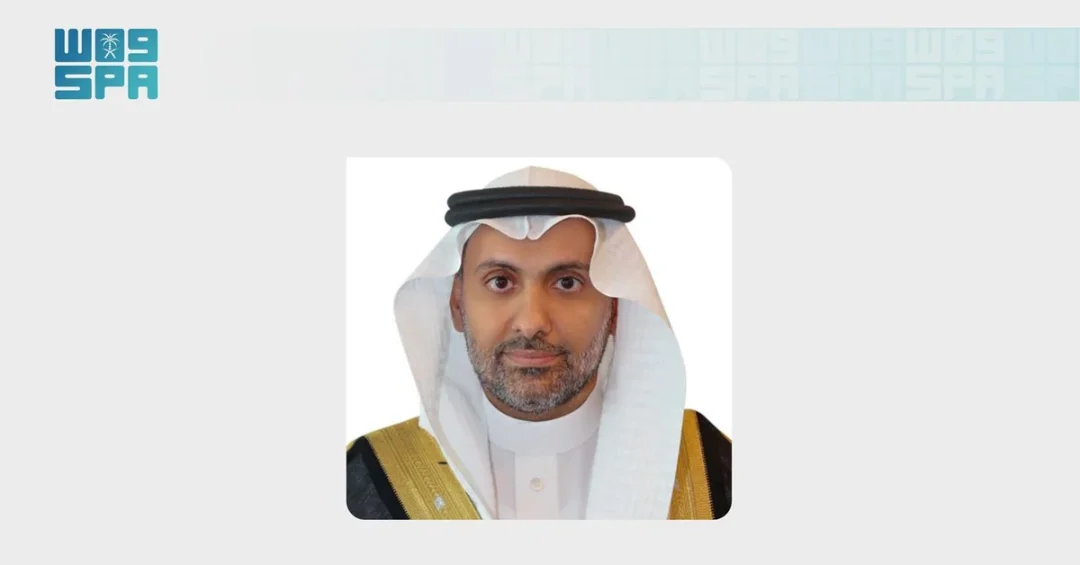
Saudi Minister of Health Fahd bin Abdulrahman Al-Jalajel has expressed his gratitude to the Custodian of the Two Holy Mosques King Salman bin Abdulaziz Al Saud and to His Royal Highness Crown Prince Mohammed bin Salman bin Abdulaziz Al Saud, Prime Minister, following a Saudi Cabinet decision allowing the Saudi Central Board for Accreditation of Healthcare Institutions (CBAHI) to provide accreditation services to healthcare facilities outside the Kingdom. The decision, announced via the Saudi Press Agency, marks a significant step in extending Saudi Arabia’s healthcare quality standards internationally, reflecting the Kingdom’s growing leadership in patient safety and healthcare excellence.
Context and Background
The Saudi Cabinet’s decision empowers CBAHI, known locally as “Sibahi,” to offer accreditation services abroad, subject to regulations approved by the Saudi Health Council. This move builds on the Kingdom’s continuous efforts to enhance healthcare quality and patient safety under Vision 2030. The Saudi Health Council, which plays a key role in integrating health entities and developing policies, will oversee the regulatory framework for these international services. This development underscores the maturity and competitiveness of Saudi national accreditation standards on the global stage.
Key Details
Minister Al-Jalajel emphasized that the decision reflects the unwavering support from the Kingdom’s leadership for the health sector. He noted that it demonstrates the advanced quality and patient safety systems in Saudi Arabia, as well as the international credibility of its accreditation standards. The Cabinet’s approval follows a proposal by the Saudi Health Council, highlighting its role in fostering collaboration among health authorities and advancing healthcare practices. By extending CBAHI’s services beyond borders, Saudi Arabia aims to share its expertise, expand cooperation, and contribute to the future of global healthcare.
Implications and Impact
This decision positions Saudi Arabia as a regional and international leader in healthcare accreditation. It opens avenues for knowledge exchange and collaboration with other countries, allowing them to benefit from Saudi Arabia’s robust accreditation model. The move is expected to enhance the Kingdom’s influence in global health governance and support the development of healthcare practices worldwide. It also aligns with Vision 2030’s goal of making Saudi Arabia a hub for healthcare excellence and innovation.
Vision 2030 Alignment
The decision directly supports Saudi Vision 2030’s Health Sector Transformation Program, which seeks to improve healthcare quality and efficiency. By exporting its accreditation services, Saudi Arabia reinforces its commitment to global health and showcases its leadership in patient safety. This step not only elevates the Kingdom’s international standing but also contributes to the sustainability and advancement of healthcare systems regionally and globally.
20 Questions
Q1. What decision did the Saudi Cabinet make regarding CBAHI?
A1. The Saudi Cabinet decided to enable CBAHI to provide accreditation services to healthcare facilities outside the Kingdom, following regulations approved by the Saudi Health Council.
Q2. Who is the Saudi Minister of Health?
A2. The Saudi Minister of Health is Fahd bin Abdulrahman Al-Jalajel, who expressed gratitude to the leadership for this decision.
Q3. What does CBAHI stand for?
A3. CBAHI stands for the Saudi Central Board for Accreditation of Healthcare Institutions, known locally as “Sibahi.”
Q4. Who approved the regulations for CBAHI’s international services?
A4. The Saudi Health Council is responsible for approving the regulations that govern CBAHI’s provision of accreditation services outside the Kingdom.
Q5. Why is this decision significant for Saudi Arabia?
A5. It reflects the maturity of Saudi healthcare standards and enhances the Kingdom’s international presence in healthcare quality and patient safety.
Q6. How does this decision align with Vision 2030?
A6. It supports Vision 2030’s Health Sector Transformation Program by promoting healthcare excellence and expanding Saudi Arabia’s global health influence.
Q7. What role does the Saudi Health Council play?
A7. The Saudi Health Council enhances integration among health entities and develops policies that support healthcare quality and patient safety.
Q8. What are the benefits of CBAHI providing services abroad?
A8. It expands cooperation, facilitates knowledge exchange, and promotes Saudi healthcare standards internationally, contributing to global healthcare development.
Q9. How does this decision reflect leadership support?
A9. It demonstrates the continuous support of King Salman and Crown Prince Mohammed bin Salman for the health sector and their commitment to advancing Saudi healthcare.
Q10. What is the expected impact on global healthcare?
A10. The decision will enhance global healthcare practices by sharing Saudi expertise and accreditation standards, fostering international collaboration.
Q11. When was this decision announced?
A11. The decision was announced on August 11, 2026, corresponding to 28 Safar 1448 H, via the Saudi Press Agency.
Q12. What does accreditation mean in healthcare?
A12. Accreditation is a certification that healthcare facilities meet specific quality and safety standards, ensuring high-quality patient care.
Q13. How will CBAHI’s international services be regulated?
A13. The Saudi Health Council will approve and oversee the regulations to ensure compliance and quality in international accreditation services.
Q14. What message did Minister Al-Jalajel convey?
A14. He thanked the leadership and highlighted that the decision reflects the advanced quality and international competitiveness of Saudi healthcare standards.
Q15. Which countries might benefit from CBAHI’s services?
A15. Healthcare facilities in various countries, particularly in the region, can benefit from CBAHI’s expertise and accreditation services.
Q16. How does this decision affect Saudi Arabia’s global standing?
A16. It strengthens Saudi Arabia’s role as a leader in healthcare quality and patient safety, enhancing its global reputation.
Q17. What is the role of the Saudi Press Agency in this announcement?
A17. The Saudi Press Agency reported the Cabinet decision and the Minister’s statement, serving as the official source of the news.
Q18. What are the long-term goals of this initiative?
A18. The initiative aims to promote Saudi accreditation standards globally, foster international cooperation, and support sustainable healthcare development.
Q19. How does this decision benefit patients in Saudi Arabia?
A19. It reinforces the quality of healthcare within the Kingdom by validating its standards internationally and promoting continuous improvement.
Q20. What does this decision indicate about Saudi Arabia’s healthcare sector?
A20. It indicates that Saudi Arabia’s healthcare sector has reached a high level of maturity and is capable of exporting its expertise and standards worldwide.
Reader Feedback
We value your thoughts. Please share your feedback on this article.
Your feedback helps us improve our coverage.