


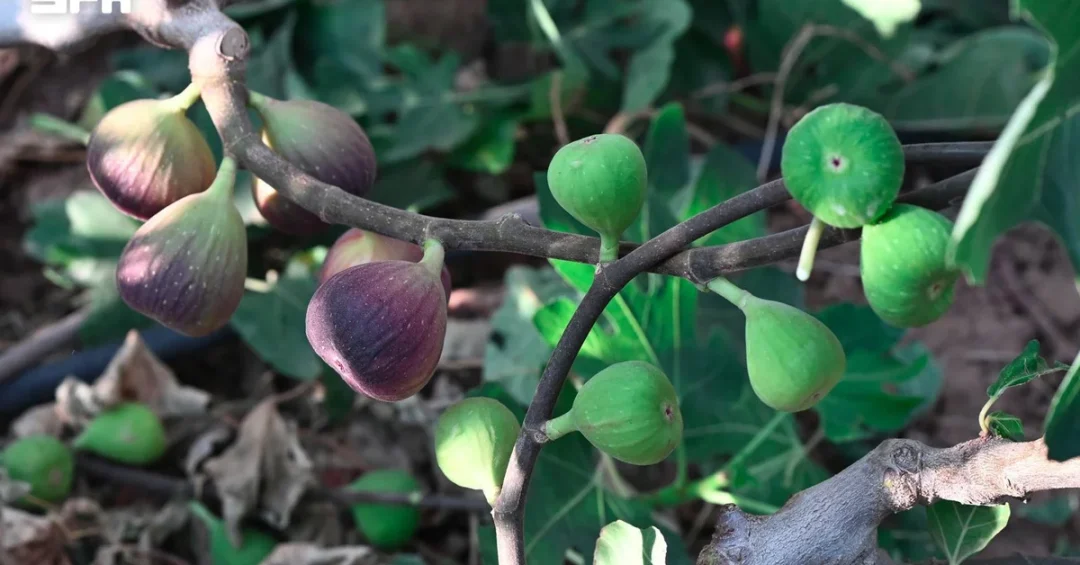
Tabuk is reinforcing its position as one of the Kingdom of Saudi Arabia’s most promising agricultural regions, with approximately 55,000 fig trees now producing multiple high-quality varieties that supply local markets throughout the summer season. The development was announced by the Saudi Press Agency (SPA), highlighting the region’s diverse agricultural environment and its climate suitability for a broad range of summer fruits.
Context and Background
Tabuk, located in northwestern Saudi Arabia, has long been recognized for its fertile valleys, moderate climate, and strategic location near key trade routes. In recent years, the region has emerged as a significant contributor to national agricultural output, supported by government initiatives aimed at strengthening food security and diversifying the economy away from oil dependence. The region’s more than 14,500 farms span a total area of 270,000 hectares, producing a wide variety of crops that supply markets across the Kingdom and enhance national food security.
Fig cultivation in particular has gained momentum as a seasonal crop with both nutritional and economic value. The fruit’s adaptability to Tabuk’s climate, combined with growing consumer demand for locally produced agricultural products, has positioned figs as a valuable addition to the region’s agricultural portfolio.
Key Details
According to official Saudi sources, Tabuk’s approximately 55,000 fig trees produce multiple varieties that compete effectively in local markets in terms of taste, size, and nutritional value. The abundance of production during the fig season reflects the broader agricultural vitality of the region, which benefits from a diverse agricultural ecosystem capable of meeting consumer needs across several summer fruit categories.
Figs offer significant economic opportunities for farmers. Their high nutritional value and diverse uses, whether for fresh consumption or food processing, provide farmers with broader opportunities to diversify their income sources and strengthen agricultural supply chains. The growing demand for locally produced agricultural products further enhances the commercial viability of fig cultivation in the region.
Implications and Impact
The success of Tabuk’s fig season carries implications beyond the regional level. It contributes to the Kingdom’s broader objectives of achieving food security, reducing reliance on imports, and supporting rural livelihoods. By supplying local markets with high-quality produce, Tabuk’s farmers help stabilize prices, increase availability during peak seasons, and demonstrate the potential of Saudi agriculture to compete in domestic and regional markets.
The development also underscores the importance of agricultural diversification as a pillar of economic resilience. As consumer preferences increasingly favor locally sourced products, regions like Tabuk are well-positioned to capture growing market share and attract further investment in agricultural infrastructure and processing facilities.
Vision 2030 Alignment
Tabuk’s flourishing fig production aligns closely with Saudi Vision 2030, which seeks to diversify the national economy, enhance food security, and empower local farmers through sustainable agricultural practices. By leveraging its natural advantages and modern farming techniques, Tabuk exemplifies how regional agricultural development can contribute to the Kingdom’s long-term prosperity and global competitiveness. As Saudi Arabia continues its transformation, the region’s abundant fig harvest stands as a testament to the nation’s commitment to building a resilient, diversified, and self-sufficient economy for future generations.
20 Questions
Q1. What is the main agricultural development highlighted in Tabuk?
A1. Tabuk is highlighting its fig production, with approximately 55,000 fig trees producing multiple varieties that supply local markets and reflect the region’s growing agricultural role.
Q2. How many fig trees does Tabuk have?
A2. According to the Saudi Press Agency, Tabuk has approximately 55,000 fig trees producing multiple varieties that help supply local markets and increase availability during the season.
Q3. What makes Tabuk suitable for fig cultivation?
A3. Tabuk benefits from a diverse agricultural environment and a climate suitable for growing a range of summer fruits, which supports healthy fig production.
Q4. How many farms are there in Tabuk?
A4. The region has more than 14,500 farms covering a total area of 270,000 hectares, producing a variety of crops that supply markets and enhance food security.
Q5. What economic opportunities do figs offer farmers?
A5. Figs offer economic opportunities through fresh consumption and food processing, allowing farmers to diversify income sources and strengthen agricultural supply chains.
Q6. How do Tabuk figs compete in local markets?
A6. Tabuk figs compete effectively in local markets in terms of taste, size, and nutritional value, meeting consumer needs and reflecting the region’s agricultural quality.
Q7. What is the total agricultural area in Tabuk?
A7. The total agricultural area in Tabuk is 270,000 hectares across more than 14,500 farms, contributing to the supply of markets and enhancing national food security.
Q8. Why is fig production important for Saudi Arabia?
A8. Fig production supports food security, diversifies income for farmers, and strengthens agricultural supply chains, aligning with the Kingdom’s broader economic diversification goals.
Q9. What nutritional value do figs provide?
A9. Figs have high nutritional value and diverse uses, whether for fresh consumption or food processing, providing farmers with broader opportunities and consumers with healthy local produce.
Q10. How does fig production reflect Tabuk’s agricultural ecosystem?
A10. Fig production is part of Tabuk’s diverse agricultural ecosystem, meeting consumer needs and demonstrating the region’s ability to produce a range of summer fruits.
Q11. What role does Tabuk play in the Kingdom’s agriculture?
A11. Tabuk is one of the Kingdom’s promising agricultural regions, contributing to local markets and advancing food security through its diverse crop production.
Q12. What government support exists for Tabuk’s agriculture?
A12. Official Saudi channels highlight Tabuk’s agricultural potential, supporting farmers through initiatives that enhance food security and economic diversification under Vision 2030.
Q13. How does fig season benefit local markets?
A13. Fig season increases availability of fresh produce in local markets, stabilizes prices, and meets growing consumer demand for high-quality, locally produced agricultural products.
Q14. What processing opportunities exist for Tabuk figs?
A14. Figs can be processed into various food products, providing farmers with additional income streams and supporting the development of agricultural supply chains in the region.
Q15. How does fig production align with Vision 2030?
A15. Fig production aligns with Vision 2030 by enhancing food security, diversifying the economy, and empowering local farmers through sustainable agricultural practices.
Q16. What varieties of figs are grown in Tabuk?
A16. Tabuk produces multiple fig varieties that compete in markets in terms of taste, size, and nutritional value, reflecting the region’s agricultural diversity.
Q17. How does Tabuk’s climate support summer fruits?
A17. Tabuk’s climate is suitable for growing a range of summer fruits, including figs, due to its diverse agricultural environment and favorable growing conditions.
Q18. What is the significance of Tabuk’s 270,000 hectares of farmland?
A18. The 270,000 hectares across more than 14,500 farms contribute significantly to supplying markets and enhancing food security across the Kingdom.
Q19. How do figs help diversify farmers’ income?
A19. Figs provide farmers with broader opportunities to diversify income sources through fresh sales and food processing, strengthening agricultural supply chains and economic resilience.
Q20. What does Tabuk’s fig production demonstrate about Saudi agriculture?
A20. It demonstrates the Kingdom’s growing capacity to produce high-quality agricultural products locally, supporting food security, economic diversification, and the goals of Vision 2030.
Reader Feedback
We value your thoughts. Please share your feedback on this article.
Your feedback helps us improve our coverage.