


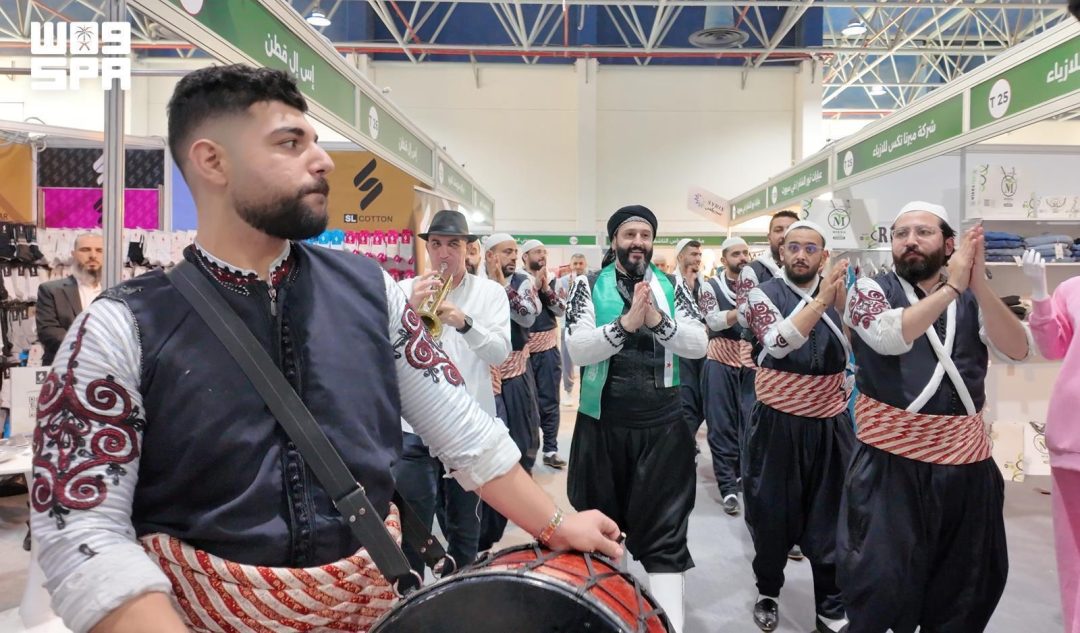
The Jeddah Center for Exhibitions and Events hosted the conclusion of the first Syrian Industries “SYRIX” Expo 2026 yesterday. More than 160 Syrian companies and factories participated in the event, which drew businessmen, importers, and distributors interested in Saudi market investment and commercial opportunities.
According to SPA, the expo facilitated bilateral meetings between Syrian manufacturers and Saudi business counterparts to establish partnerships in supply and distribution. These efforts resulted in the signing of memoranda of understanding and supply and distribution contracts to assist Syrian products in entering the Saudi market.
Agreements reached during the event covered the chemical, engineering, textile, and food sectors. The expo also presented regulatory procedures for joint ventures and investment incentives.
A knowledge program featuring panel discussions and seminars addressed partnership mechanisms, trade exchange incentives, and legal procedures. The event highlighted a shift from traditional trade exchange toward joint production and industrial investment.
Pavilions showcased sectors including agriculture, culture, tourism, labor, and the primary industrial fields of engineering, chemical, textile, and food. The expo functioned as a platform to build partnerships and explore investment opportunities to strengthen trade relations between the two countries.
Which sectors were covered by the agreements at the SYRIX Expo? The agreements signed during the expo covered four main sectors, which included the food, textile, chemical, and engineering industries. Additionally, the event showcased regulatory procedures for establishing joint ventures and provided information on investment facilities and incentives available for these sectors.
What was the purpose of the knowledge program at the expo? The knowledge program consisted of seminars and panel discussions designed to streamline legal procedures and explain partnership mechanisms. It also focused on trade exchange incentives and the transition from traditional trade exchange to industrial investment and joint production.
What industries were represented in the participating pavilions? The pavilions featured a wide range of sectors, most notably the chemical, engineering, textile, and food industries. Other represented sectors included labor, culture, tourism, and agriculture, reflecting various opportunities for economic cooperation between the Syrian and Saudi business sectors.