


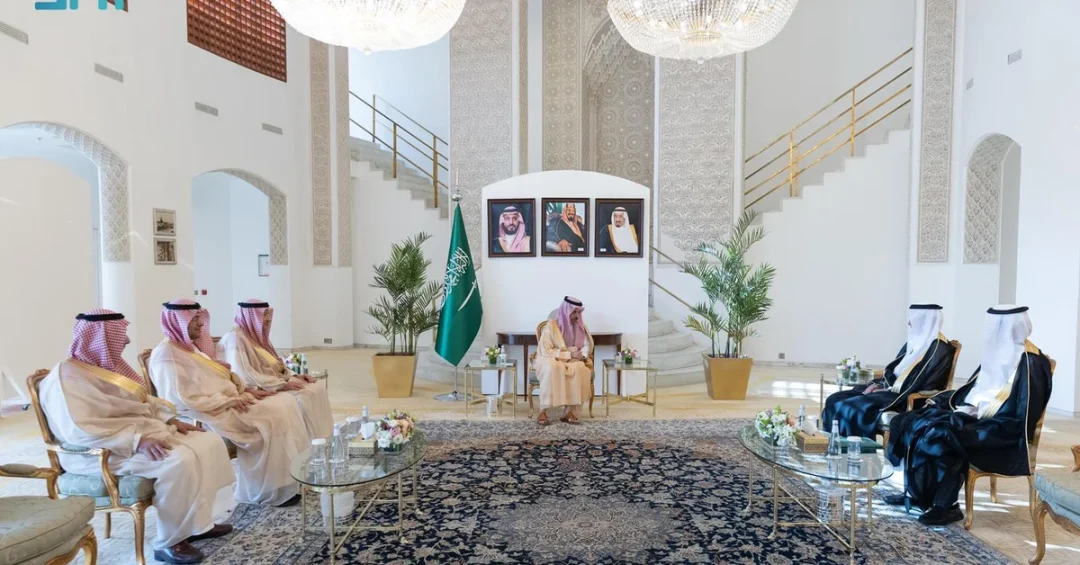
Newly appointed Saudi Consul General in New York City, Abdullah Al-Hamdan, and Consul General in Suez, Egypt, Marzouq Al-Nifaie, took the oaths of office before Minister of Foreign Affairs Prince Faisal bin Farhan bin Abdullah at the Ministry of Foreign Affairs in Riyadh on June 27, 2024. According to the official Saudi Press Agency (SPA), the ceremony marks a significant step in strengthening Saudi Arabia’s diplomatic representation in key international and regional posts.
Context and Background
This oath-taking ceremony underscores the continued commitment of the Kingdom of Saudi Arabia to maintaining robust diplomatic engagement with both global powers and neighboring nations. The appointments of consuls to New York City and Suez reflect Riyadh’s strategic focus on fostering strong bilateral relationships, economic collaboration, and cultural ties. These roles are crucial for supporting Saudi citizens abroad, facilitating trade, and promoting the Kingdom’s interests in the United States and Egypt.
Key Details
During the ceremony, the new consuls swore by Allah Almighty to be loyal to the religion, the King, and the country; not to disclose any state secrets; to preserve the country’s interests and regulations at home and abroad; and to perform their work with honesty, integrity, and sincerity. The event was attended by Vice Minister of Foreign Affairs Eng. Waleed bin Abdulkarim El-Khereiji, Assistant Minister of Foreign Affairs for Executive Affairs Abdulhadi Al-Mansouri, and Deputy Minister for Protocol Affairs Abdulmajeed Al-Samari.
Implications and Impact
The appointments of Consul General Abdullah Al-Hamdan in New York City—a vital hub for international diplomacy and finance—and Consul General Marzq Al-Nuba in Suez, located on Egypt’s strategic Suez Canal, underscore the Kingdom’s active role in global affairs. These consulates are expected to bolster cooperation in trade, tourism, and mutual investment between Saudi Arabia and the respective regions, aligning with the broader vision of strengthening intercountry relationships.
Vision 2030 Alignment
This move reinforces the efforts under Saudi Vision 2030 to build a vibrant and globally integrated nation. Expanding the diplomatic footprint through dedicated officials in key locations supports the Kingdom’s aims to attract investment, protect the welfare of its citizens abroad, and enhance its standing as a premier player in international forums, thus paving the way for a prosperous future driven by effective international partnerships.
20 Questions
Q1. What is the role of a Consul General in a foreign country?
A1. A Consul General represents their country’s interests in a specific foreign city or region, focusing on supporting citizens, handling visas, and promoting trade and cultural relations, while acting under the guidance of the embassy and the foreign ministry.
Q2. What did the oath involve for the new Saudi consuls?
A2. The oath requires the consuls to swear by Allah Almighty to be loyal to the religion, the King, and the country, to not disclose state secrets, to preserve national interests and regulations, and to perform their duties with honesty, integrity, and sincerity.
Q3. Who administered the oath ceremony?
A3. The oath was administered by the Minister of Foreign Affairs of Saudi Arabia, Prince Faisal bin Farhan bin Abdullah, at the Ministry of Foreign Affairs in Riyadh on June 27, 2024.
Q4. Which cities will the newly appointed consuls serve in?
A4. Abdullah Al-Hamdan will serve as the Saudi Consul General in New York City, United States, while Marzouk Al-Nujaifan will serve as Consul General in Suez, Arab Republic of Egypt.
Q5. Why are these appointments considered strategically important?
A5. They place Saudi diplomats in two geopolitically significant locations: New York is home to the United Nations and major financial institutions, while Suez sits along the vital waterway, strengthening trade and political connections with the U.S. and Egypt.
Q6. How does this relate to Saudi Arabia’s Vision 2030?
A6. Vision 2030 aims to enhance Saudi Arabia’s international standing and economic cooperation. These appointments support that goal by boosting its diplomatic presence and enabling better collaboration on trade and investment opportunities that benefit national development.
Q7. What are the primary responsibilities of a consul in terms of citizen services?
A7. Consuls are responsible for assisting and protecting their country’s citizens abroad, including issuing passports, providing notarial services, offering support during emergencies, and helping with legal or administrative issues that citizens may face in the host country.
Q8. Why did the Foreign Minister personally oversee the swearing-in?
A8. This underscores the importance Saudi Arabia places on the integrity and loyalty of its diplomatic corps. The personal involvement of the minister ensures that consuls are directly accountable and fully aligned with the Kingdom’s foreign policy objectives and ethical standards.
Q9. Which officials attended the ceremony?
A9. The ceremony was attended by Vice Minister of Foreign Affairs Eng. Waleed bin Abdulkarim El-Khereiji, Assistant Minister for Executive Affairs Abdulhadi Al-Mansouri, and Deputy Minister for Protocol Affairs Abdulmajeed Al-Samari.
Q10. What is the function of a consulate as opposed to an embassy?
A10. An embassy represents a country at the state level in a capital city, while consulates are located in other major cities to handle more routine consular services like visas and citizen aid. Consulates work under the embassy’s leadership and cooperate closely.
Q11. How might these appointments affect Saudi-Egyptian relations?
A11. Placing a capable consul in Suez strengthens consular and economic support for both Saudi and Egyptian interests in the region, potentially boosting trade through the Suez Canal and increasing collaboration in maritime logistics and regional stability.
Q12. What role does New York play in Saudi Arabia’s diplomatic strategy?
A12. New York hosts the United Nations, making it a critical location for Saudi diplomacy to engage with the UN, international bodies, and the U.S. financial markets. A strong consulate there enhances the Kingdom’s global influence and investment channels.
Q13. How does the selection of consuls typically work in Saudi Arabia?
A13. The Ministry of Foreign Affairs nominates candidates based on their diplomatic expertise, experience, and dedication. The final appointment is made by the King, but under the current process, the consuls are formally introduced by the Foreign Minister before taking an oath.
Q14. What does the oath’s requirement to ‘preserve the country’s interests’ entail?
A14. It means the consuls must promote and protect Saudi Arabia’s political, economic, and social interests in the host country, including lobbying for favorable policies, managing bilateral agreements, and ensuring the Kingdom’s reputation is upheld at all times.
Q15. Is this a common practice for Saudi diplomats?
A15. Yes, it is standard practice for Saudi diplomats to take the oath before the Foreign Minister. It symbolizes their commitment to serve the nation and maintain the highest ethical standards of Saudi foreign policy.
Q16. What challenges might the new consul in Suez face?
A16. They will navigate the local consular framework and enhance cooperation with Egyptian authorities. The challenges include managing the needs of Saudis in the area and fostering cross-border economic and cultural exchanges through the Suez corridor.
Q17. How does this appointment influence the Saudi community in the U.S.?
A17. The Saudi community in New York will receive more accessible consular services, including visa processing, legal aid, and cultural events, while also facilitating educational and professional opportunities for Saudi nationals in the region.
Q18. What is the historical context of Saudi-Egypt diplomatic ties?
A18. Saudi and Egypt have deep rooted historical ties, supporting Arab alliances, economic partnerships, and political stability in the region. The new consulate in Suez reinforces this long-standing relationship and provides practical means for sustaining trust and cooperation.
Q19. How will the Saudi consulate in New York boost Vision 2030’s international investments?
A19. By having a consulate in New York, the Kingdom can better engage with investment firms, financial markets, and global business leaders, promoting and facilitating foreign direct investment into Saudi Arabia, which is a core objective of Vision 2030.
Q20. What is the general tone of Saudi Arabia’s current foreign policy?
A20. Saudi Arabia’s foreign policy focuses on constructive dialogue, economic integration, and diplomacy. The policy aims to build strong partnerships, protect national interests, and contribute to international security and prosperity, as seen in these latest appointments.
Reader Feedback
We value your thoughts. Please share your feedback on this article.
Your feedback helps us improve our coverage.