


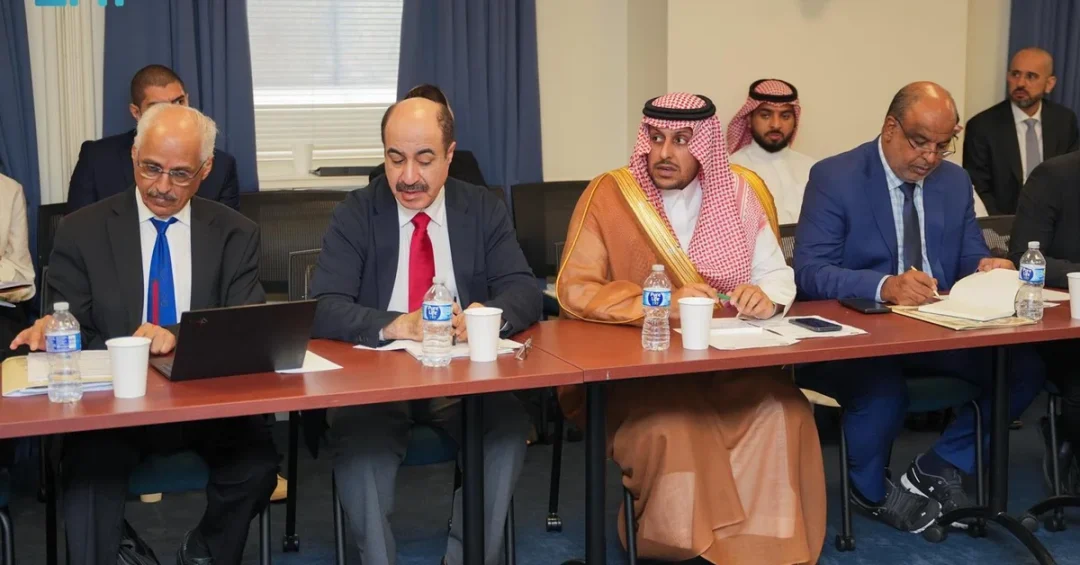
The Kingdom of Saudi Arabia, represented by a high-level delegation led by Abdulaziz bin Omar Al-Sakran, Deputy Governor for International Relations at the General Authority of Foreign Trade (GAFT), participated in the fifth annual GCC-U.S. Trade and Investment Dialogue in Washington, DC, alongside the SelectUSA Investment Summit, as part of a delegation comprising 22 public and private sector entities. The participation underscores the Kingdom’s active role in shaping regional and international economic partnerships and advancing the goals of Saudi Vision 2030.
Context and Background
Held on June 26, 2024, in the United States capital, the GCC-U.S. Trade and Investment Dialogue serves as a strategic platform for exchanging expertise and perspectives between senior officials and industry experts. The forum facilitates constructive discussions on trade and investment policies in the Gulf Cooperation Council (GCC) states and the United States, addressing shared challenges, identifying mutual goals, and enhancing bilateral trade cooperation. Key focus areas include the exchange of goods and services, digital trade, consumer protection, and collaborative efforts against commercial fraud.
Saudi Arabia’s participation is part of a broader strategic engagement with global partners to diversify the national economy and strengthen the Kingdom’s position as a leading investment destination. The delegation includes representatives from key ministries, government agencies, and private sector leaders, reflecting the comprehensive approach of Vision 2030 to integrate all sectors of society into economic development.
Key Details
The delegation’s schedule included active participation in the SelectUSA Investment Summit, an initiative designed to boost economic growth by facilitating connections between foreign capital and U.S. companies. The summit aims to strengthen the U.S. investment landscape by highlighting industry trends and emerging opportunities across various sectors, thereby connecting investors with specific investment opportunities within U.S. companies.
Abdulaziz bin Omar Al-Sakran’s leadership underscored the importance Saudi Arabia places on strengthening its trade and investment ties with the United States, one of the Kingdom’s largest non-oil trade partners. The summit also provides an opportunity for Saudi entities to explore partnership opportunities, align with global supply chains, and promote the Kingdom’s investment environment, especially in areas aligned with Vision 2030’s economic diversification targets.
Implications and Impact
The GCC-U.S. Trade and Investment Dialogue and the SelectUSA Summit collectively contribute to fostering a robust trade environment between the GCC and the United States, addressing regulatory barriers, and promoting digital trade as a driver of economic growth. Saudi Arabia’s active role in these discussions reflects its role as a dynamic regional leader, committed to open markets, sustainable trade, and technological innovation.
The dialogue has broader geopolitical implications, as it facilitates deeper integration of the Gulf economies with the U.S., enhancing supply chain resilience, and supporting bilateral investment flows that are expected to accelerate in the post-pandemic era. For Saudi Arabia, this engagement directly supports its ambitious economic transformation agenda, which aims to increase non-oil exports, attract foreign direct investment, and create high-value jobs for Saudi nationals.
Vision 2030 Alignment
The Kingdom’s participation in these high-level international forums aligns seamlessly with the objectives of Saudi Vision 2030, which emphasizes economic diversification, global integration, and strategic partnerships. By actively engaging in the GCC-U.S. Trade and Investment Dialogue, Saudi Arabia reinforces its leadership in shaping forward-thinking trade policies, harnessing digital trade opportunities, and promoting consumer protection standards that build trust in international markets. Through such constructive engagements, Saudi Arabia continues to position itself as a pioneering hub for trade and investment, realizing its Vision 2030 aspirations and enhancing its contribution to global economic stability and prosperity.
20 Questions
Q1. What is the main purpose of the GCC-U.S. Trade and Investment Dialogue?
A1. The dialogue aims to enhance trade and investment relations between the Gulf Cooperation Council (GCC) countries and the United States. It provides a platform for officials to discuss policies, exchange experiences, address obstacles, and identify common goals to boost bilateral economic cooperation.
Q2. Who led the Saudi delegation to the Dialogue and the SelectUSA Investment Summit?
A2. The delegation was led by Abdulaziz bin Omar Al-Sakran, the General Deputy Governor for International Relations at the General Authority of Foreign Trade (GAFT). He guided the Saudi delegation, which included representatives from 22 public and private entities.
Q3. How many entities were part of the Saudi delegation?
A3. The Saudi delegation comprised 22 entities from both the public and private sectors. This shows the wide range of involvement in Saudi trade and investment efforts.
Q4. What is the SelectUSA Investment Summit?
A4. The SelectUSA Investment Summit is an annual event to boost economic growth by facilitating connections between foreign companies and U.S. firms. It aims to strengthen the U.S. investment landscape and highlight industry trends and opportunities.
Q5. When and where did the events take place?
A5. The events took place on June 26, 2024, in Washington, DC, United States. The fifth annual GCC-U.S. Trade and Investment Dialogue was held alongside the SelectUSA Investment Summit.
Q6. What are the main topics discussed at the GCC-U.S. Trade and Investment Dialogue?
A6. The dialogue covers trade and investment policies, flows of goods and services, digital trade, consumer protection, and combating commercial fraud. These topics are vital for strengthening GCC-U.S. economic relations.
Q7. Why is Saudi participation in this Dialogue significant?
A7. Saudi Arabia’s participation is significant because it demonstrates its commitment to diversifying the economy and strengthening strategic trade partnerships, particularly with the United States. It aligns with Vision 2030 to boost non-oil exports and global integration.
Q8. How does the Dialogue benefit Saudi Arabia’s Vision 2030?
A8. The Dialogue directly supports Vision 2030 by fostering economic diversification, promoting digital trade, and enhancing global investment ties. It helps Saudi Arabia position itself as a leading global hub for trade and investment.
Q9. What is the role of the General Authority of Foreign Trade (GAFT) in Saudi Arabia?
A9. GAFT is the Saudi agency responsible for foreign trade policies, negotiating trade agreements, and enhancing the Kingdom’s trade relations globally. It aims to facilitate the flow of goods and services, ensuring consumer protection, and promoting export growth.
Q10. What does the Dialogue aim to identify common goals?
A10. It aims to find shared goals that can boost trade and investment between the GCC and the US. This helps in creating a unified framework for cooperation.
Q11. How does the Dialogue address obstacles in trade?
A11. The dialogue provides a platform to discuss and resolve obstacles in trade and investment policies. It helps officials to come together to address challenges and create a more favorable environment for mutual economic cooperation.
Q12. What is the significance of Saudi Arabia’s participation in the SelectUSA Summit?
A12. The participation allows Saudi Arabia to explore investment opportunities in the U.S., strengthen ties with American companies, and showcase the Kingdom’s own investment potential. It supports the flow of capital and knowledge.
Q13. What are the main benefits for Saudi Arabia from these dialogues?
A13. The benefits include improved market access for non-oil products, enhanced technical collaboration, and a stronger framework for protecting investments. These are essential for increasing non-oil exports and global competitiveness.
Q14. How does digital trade feature in the discussions?
A14. Digital trade is a key focus area because it represents a growing sector in the global economy. The dialogue looks at policies to facilitate electronic commerce and digital services, aligning with Saudi Arabia’s digital transformation goals.
Q15. Why is consumer protection important in the dialogue?
A15. Consumer protection is vital for building trust in trade. The dialogue addresses measures to protect consumers from fraudulent activities, ensuring fair and reliable markets in both regions.
Q16. What is the role of Saudi Arabia’s Ministry of Commerce and Investment in this context?
A16. The Ministry of Commerce and Investment works with GAFT and other entities to create an attractive environment for investment and trade. Their efforts are integral to the Kingdom’s Vision 2030 strategies.
Q17. How does the participation of 22 entities reflect Saudi Arabia’s approach?
A17. The wide representation shows the Kingdom’s cohesive and multi-sectoral approach to international economic engagement. It ensures that both government and private interests are aligned to maximize benefits.
Q18. How does this participation contribute to strengthening bilateral economic relations between KSA and the US?
A18. It reinforces the strong partnership and explores new areas of cooperation. By fostering direct contacts, it helps expand a deep economic relationship and provides the stability and predictability needed for long-term investments.
Q19. How does the dialogue support the GCC’s economic diversification goals?
A19. By engaging with the U.S., the GCC can diversify its trade partners and reduce its dependence on oil. This dialogue helps GCC countries adopt best practices in trade, technology, and consumer protection, aligning with their national diversification plans.
Q20. What are the next steps for Saudi Arabia after this summit?
A20. Saudi Arabia will continue to leverage its bilateral relations, focusing on implementing the outcomes of the summit. The main steps include following up on investment leads and integrating these into national programs to build a diversified, thriving knowledge-based economy as per Vision 2030.
Reader Feedback
We value your thoughts. Please share your feedback on this article.
Your feedback helps us improve our coverage.