


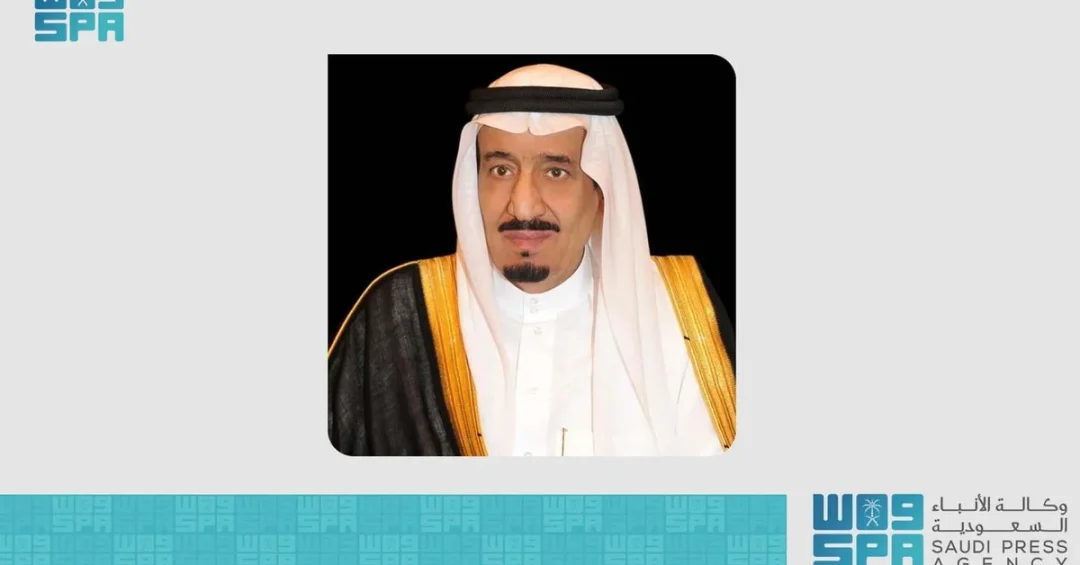
The Custodian of the Two Holy Mosques, King Salman bin Abdulaziz Al Saud, has sent a cable of thanks to the Minister of Interior and Chairman of the Supreme Hajj Committee, Prince Abdulaziz bin Saud bin Naif bin Abdulaziz, in response to his congratulations on the occasion of Eid Al-Adha and the successful conclusion of the Hajj season for the year 1445 AH. According to the official Saudi Press Agency (SPA), the cable acknowledged the greetings extended by the Minister of Interior, the Governors of the Regions, and all those involved in the operations of this year’s pilgrimage.
Context and Background
The annual Hajj pilgrimage is a cornerstone of Islamic faith, drawing millions of Muslims from around the world to the holy cities of Makkah and Madinah. Saudi Arabia, under the leadership of the Custodian of the Two Holy Mosques, assumes the immense responsibility of ensuring the safety, comfort, and spiritual fulfillment of every pilgrim. The successful management of Hajj 1445 AH involved extensive coordination among numerous governmental, security, and civil agencies, all operating under the Supreme Hajj Committee chaired by Prince Abdulaziz bin Saud bin Naif.
This year’s pilgrimage occurred against a backdrop of significant modernization initiatives aimed at enhancing the pilgrim experience. Saudi Arabia has leveraged advanced technologies, streamlined digital services, and expanded infrastructure capacity to meet the demands of an ever-growing number of faithful arriving from over 180 countries. The seamless execution reflects the Kingdom’s unwavering commitment to facilitating this fundamental pillar of Islam.
Key Details
In his reply cable, King Salman expressed his thanks and appreciation for the great efforts made by the government and civil agencies in serving the pilgrims. He prayed that Allah Almighty accepts the Hajj of all pilgrims and returns them to their homelands in safety and security. The King also praised the combined work of all teams involved, highlighting the successful implementation of the comprehensive Hajj plan.
Additionally, the cable underscored the importance of unity and the shared responsibility among Saudi institutions to uphold the high standards that the Kingdom has set for its hosting duties. The acknowledgment came as Prince Abdulaziz, along with regional governors, had conveyed their congratulations on the auspicious occasion and the smooth operation of the pilgrimage season, marking a significant achievement in public service and organizational efficiency.
Implications and Impact
The successful completion of Hajj 1445 AH under the careful watch of the Saudi Ministry of Interior strengthens the Kingdom’s status as a leading host for major global events. The event demonstrates the Kingdom’s ability to manage complex logistics, security, and crowd control while maintaining the spiritual ambiance of the pilgrimage. Internationally, this reinforces confidence in Saudi Arabia’s capacity to safeguard the welfare of millions and underscores the broader message of peace, solidarity, and the potential for future diplomatic and humanitarian collaborations.
Moreover, the response from the Custodian of the Two Holy Mosques serves as a public gratitude for the tireless efforts of all those who served the pilgrims, including health, safety, transportation, and volunteer teams. This collective success contributes to a positive image of the Kingdom as a model of efficient and compassionate religious stewardship, further building bridges across the Muslim world.
Vision 2030 Alignment
As Saudi Arabia progresses under Vision 2030, the streamlined management of Hajj 1445 is emblematic of the Kingdom’s ongoing transformation into a global hub for culture, tourism, and religious travel. The expansion of services such as the Nusuk platform, smart health services, and crowd management technologies aligns directly with the Vision’s ambitious goals of enhancing the pilgrim experience and making it easier for more Muslims to visit the holy sites. The masterful coordination of this year’s Hajj not only fulfills a spiritual duty but also to the broader objectives of leveraging religious tourism as a driver of economic growth and international engagement. With each successful season, the Kingdom continues to evolve, embedding the pillars of Vision 2030—a vibrant society, a thriving economy, and an ambitious nation—into the very fabric of its services and governance, ensuring an even more prosperous and welcoming future for all.
20 Questions
Q1. Who sent the cable of thanks?
A1. The Custodian of the Two Holy Mosques, King Salman bin Abdulaziz Al Saud, sent the cable, as confirmed by the official Saudi Press Agency on June 22, 2024.
Q2. To whom was the cable addressed?
A2. The cable was addressed to the Minister of Interior and Chairman of the Supreme Hajj Committee, Prince Abdulaziz bin Saud bin Naif bin Abdulaziz, who had earlier sent congratulations.
Q3. What occasion prompted the cable?
A3. The cable was sent on the occasion of Eid al-Adha and the successful completion of the Hajj season for the year 1445 AH.
Q4. Which government agencies were acknowledged in the cable?
A4. The King acknowledged the efforts of all government and civil agencies that participated in serving the pilgrims during the Hajj season, including those coordinated by the Ministry of Interior.
Q5. What did the King pray for in his cable?
A5. He prayed that Allah accepts the Hajj of all pilgrims, ensures their safety and well-being, and grants success in future efforts for the good of Islam and Muslims.
Q6. Who else was acknowledged in the cable?
A6. The Minister of Interior, the Governors of the Regions, and all individuals participating in the work of the Hajj season were acknowledged for their dedication.
Q7. What role does Prince Abdulaziz hold in the Hajj process?
A7. He serves as the Chairman of the Supreme Hajj Committee, responsible for overseeing the comprehensive and security measures during the pilgrimage.
Q8. When was the cable sent according to SPA?
A8. The cable was sent on June 22, 2024, as reported in a dispatch from the Saudi Press Agency that same day.
Q9. What is the significance of Eid al-Adha in this context?
A9. Eid al-Adha is a major Islamic festival marking the end of the Hajj, and it is a time for celebrating shared heritage and gratitude.
Q10. How many pilgrims typically perform Hajj?
A10. While no exact figure is in the cable, recent years have seen over two million pilgrims, with numbers regulated by Saudi authorities for safety and facility.
Q11. Which cities are central to the Hajj?
A11. Makkah, where the Kaaba is located, and Madinah, the Prophet’s Mosque, are the two primary sites in Saudi Arabia for the pilgrimage.
Q12. What does the Ministry of Interior do during Hajj?
A12. The Ministry oversees security, crowd management, and public safety, ensuring pilgrims are protected and that the sacred rituals can proceed without disruptions.
Q13. Did the King’s cable include a specific message for pilgrims?
A13. Yes, he prayed for the acceptance of their Hajj and for their safe return home, reflecting the Kingdom’s duty of care.
Q14. What is the general tone of the communication?
A14. The tone is highly appreciative and respectful, emphasizing the success of the season and the collaboration of all parties involved.
Q15. What does this cable reveal about Saudi leadership?
A15. It underscores the leadership’s attentiveness, gratitude, and spiritual responsibility toward both the pilgrims and the civil servants who serve them.
Q16. How is this reported by SPA?
A16. The Saudi Press Agency is the official source, releasing a dispatch that first described the King’s response and the context of the cable.
Q17. What does the success of Hajj imply for Saudi infrastructure?
A17. It implies robust infrastructure development, particularly in transportation, digital services, and crowd control, which align with Vision 2030’s modernization goals.
Q18. How does this relate to Vision 2030?
A18. Vision 2030 includes enhancing the Hajj experience and expanding capacity, so this successful season contributes directly to those national ambitions.
Q19. Who else worked with the Ministry of the Interior?
A19. The Ministry collaborated with civil agencies, including health, transportation, and volunteer organizations, to facilitate comprehensive service for pilgrims.
Q20. What is the international reaction expected?
A20. Typically, the international community and Muslim-majority countries appreciate the smooth management of Hajj, boosting diplomatic goodwill and cultural respect.
Reader Feedback
We value your thoughts. Please share your feedback on this article.
Your feedback helps us improve our coverage.