


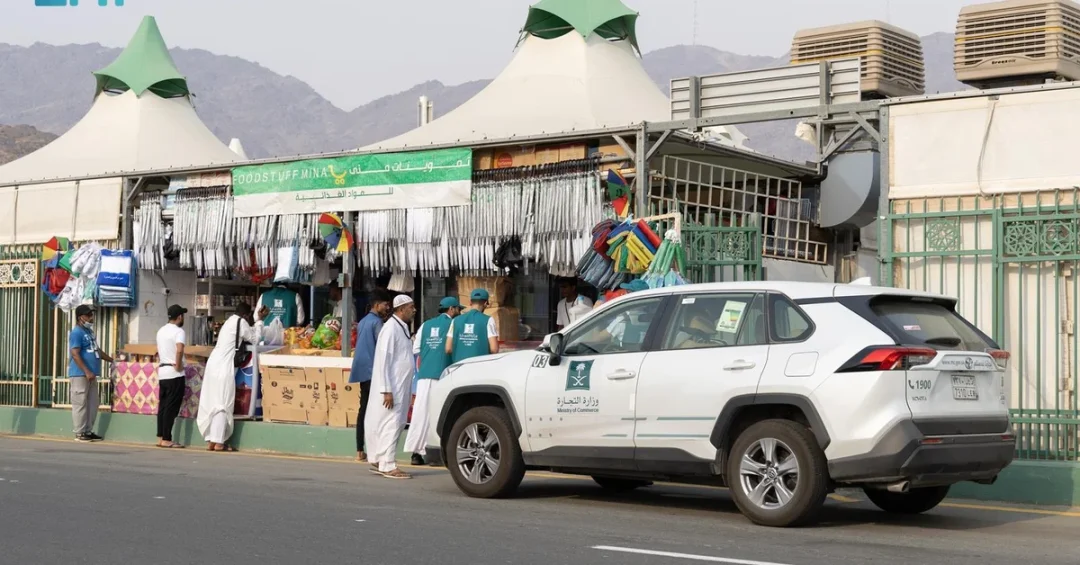
The Ministry of Commerce of Saudi Arabia confirmed the delivery of more than 400 million food items to pilgrims during the Hajj season 1445 AH (2024). According to the Saudi Press Agency (SPA), the ministry’s supervisory teams coordinated with organizers to ensure the seamless availability of essential goods for the millions of pilgrims undertaking the annual pilgrimage. This comprehensive logistics operation underscores the Kingdom’s commitment to providing a safe and comfortable experience for all visitors.
Context and Background
Hajj, the fifth pillar of Islam, draws millions of Muslims from around the world to the holy city of Makkah each year. Managing such a massive influx requires meticulous planning and robust supply chain infrastructure. The Ministry of Commerce plays a pivotal role in safeguarding consumer interests by overseeing market stability, preventing price exploitation, and ensuring that high-quality food products are readily available. This year’s operation is part of a broader strategy to enhance the experience of pilgrims and align with the ambitious goals of Saudi Vision 2030.
Key Details
According to the official statement, beverages were the most in-demand category, with over 160 million packages of milk and juice delivered. Bottled water followed closely, with more than 147 million packages supplied to pilgrims. Baked goods, including loaves of bread, accounted for over 84 million items. These numbers reflect the vast scale of the pilgrimage and the rigorous planning involved in meeting the dietary and hydration needs of visitors.
The Ministry’s supervisory teams inspected sales outlets, monitored food supply chains, and oversaw commercial establishments to enforce consumer protection regulations. Their efforts ensured that price controls were maintained and that no unauthorized practices hindered pilgrims from accessing essential goods. The ministry also implemented a system to track delivery and consumption patterns, allowing for real-time adjustments to prevent shortages.
Implications and Impact
The successful delivery of over 400 million food items during the 2025 Hajj season reinforces Saudi Arabia’s capacity to host large-scale global events. It also reflects the effective coordination between government entities, private sector suppliers, and local authorities. For the international community, this achievement demonstrates the Kingdom’s commitment to ensuring the well-being and security of pilgrims, which in turn fosters trust and confidence in its ability to manage the spiritual and logistical demands of the Hajj.
Moreover, the emphasis on consumer protection and compliance with regulations safeguards the integrity of the Hajj experience. Pilgrims from dozens of countries can rely on the quality and safety of the products provided, which is essential for their comfort and health. The successful execution of this year’s food distribution plan sets a new benchmark for future seasons, contributing to the Ministry’s long-term goal of operational excellence.
Vision 2030 Alignment
This massive food delivery initiative directly supports the goals of Saudi Vision 2030, which seeks to elevate the quality of services provided to pilgrims and visitors. By leveraging innovative supply chain solutions and fostering cross-sector cooperation, the Kingdom is transforming the Hajj experience into a model of efficiency and hospitality. These efforts are a testament to the leadership’s dedication to strengthening the infrastructure that serves the two holy mosques, aligning with the visionary objectives of creating a more connected and service-oriented society.
20 Questions
Q1. What is the total number of food items delivered to Hajj pilgrims?
A1. The Ministry of Commerce announced that more than 400 million food items were delivered to pilgrims during the 2025 Hajj season. This includes beverages, water, and baked goods, reflecting the extensive logistical planning undertaken to meet the needs of millions.
Q2. Which food category was in the highest demand?
A2. Beverages were the most in-demand, with over 160 million packages of milk and juice supplied. Bottled water followed closely with 147 million packages, and baked goods like bread constituted 84 million loaves.
Q3. When was this announcement made?
A3. The announcement was made on June 18, 2024, via the Saudi Press Agency (SPA). The information was released during the ongoing Hajj season, which took place in that period.
Q4. What role did the Ministry of Commerce play?
A4. The Ministry of Commerce supervised the entire food delivery operation, coordinating with organizing bodies, inspecting sales outlets, monitoring supply chains, and enforcing consumer protection regulations to ensure pilgrims received essential goods without disruptions.
Q5. How many packages of bottled water were delivered?
A5. Over 147 million packages of bottled water were delivered to pilgrims. This high volume was necessary to prevent dehydration during the pilgrimage, which occurs in the hot climate of Makkah.
Q6. How many baked goods were supplied?
A6. The ministry reported that 84 million loaves of bread were delivered. Bread is a staple food for many pilgrims, and its availability was crucial to support their dietary needs.
Q7. Why is the food supply chain so important during Hajj?
A7. Hajj is one of the largest gatherings in the world, with millions of people in a compact area. A reliable food supply ensures the well-being of pilgrims, prevents health crises, and allows them to focus on spiritual worship without daily concerns.
Q8. What measures were taken to prevent food violations?
A8. Supervisory teams inspected sales outlets, monitored supply chains, and oversaw commercial establishments. They enforced consumer protection regulations, checked pricing, and took legal action against non-compliant businesses to prevent fraud and hoarding.
Q9. Who are the organizers mentioned in the plan?
A9. The ministry collaborated with Hajj organizers, which includes the Ministry of Hajj and Umrah, the General Presidency for the Affairs of the Two Holy Mosques, and other related governmental and private entities that manage the pilgrimage logistics.
Q10. What is the significance of the 1445 AH Hijri year?
A10. 1445 AH corresponds to the Islamic calendar year that includes the Hajj season in June 2024. It represents the year in which this particular Hajj was performed, and the milestone also highlights the Islamic calendar’s lunar nature.
Q11. How does the Kingdom ensure that food quality meets international standards?
A11. The Ministry of Commerce applies strict quality control measures, including regular inspections and laboratory tests, to ensure food items meet Saudi and international safety regulations. The ministry also coordinates with certified suppliers to guarantee that all products are free from contaminants.
Q12. What happens to the leftover food after the Hajj?
A12. The Ministry and other authorities ensure that any unused food is properly distributed to needy families or disposed of in an environmentally friendly manner. This initiative aligns with the Kingdom’s sustainability goals and commitment to no waste.
Q13. How does this food delivery operation reflect Vision 2030?
A13. Vision 2030 prioritizes enhancing the experience of pilgrims and improving the efficiency of services in the holy sites. This food operation exemplifies the vision’s goal to modernize logistics and provide the highest quality services, ultimately lifting the Kingdom’s status as a global hub.
Q14. What types of beverages were included?
A14. The beverages included milk and juice, with over 160 million packages. Additionally, other beverages such as water were counted separately, with 147 million packages. This breakdown ensures that hydration and nutritional needs are met.
Q15. Are there any measures to ensure food safety?
A15. Yes, the Ministry implements rigorous safety protocols, including temperature-controlled transportation, regular inspections, and hazard analysis. These measures prevent spoilage and contamination, ensuring that pilgrims consume safe and hygienic food.
Q16. How does the Ministry handle unforeseen shortages?
A16. The ministry’s real-time monitoring system allows for immediate response. In case of potential shortages, additional shipments are dispatched from reserve supplies. This proactive approach minimizes any risk of scarcity.
Q17. What is the estimated number of pilgrims in 2025?
A17. While specific numbers are not mentioned in the official statement, the Ministry’s supply of 400 million items indicates that the number of pilgrims was in the millions. The significant volume reflects the scale of the demand.
Q18. How does the public sector coordinate with private suppliers?
A18. The Ministry collaborates with registered private suppliers to ensure timely delivery. This public-private partnership is essential for a logistics operation of this magnitude, leveraging the expertise and efficiency of the private sector.
Q19. What consumer protection regulations were specifically enforced?
A19. Regulations included pricing transparency, clear labeling, and freshness guarantees. The authorities also monitored for illegal price hikes and counterfeit products, ensuring that pilgrims are not exploited during the peak season.
Q20. How will this successful operation influence future Hajj seasons?
A20. The success of this plan will set a standard for future logistics, improving scalability and response. The data collected will inform improvements in supply chain strategies, ultimately making the Hajj experience more seamless for pilgrims in the coming years.
Reader Feedback
We value your thoughts. Please share your feedback on this article.
Your feedback helps us improve our coverage.