


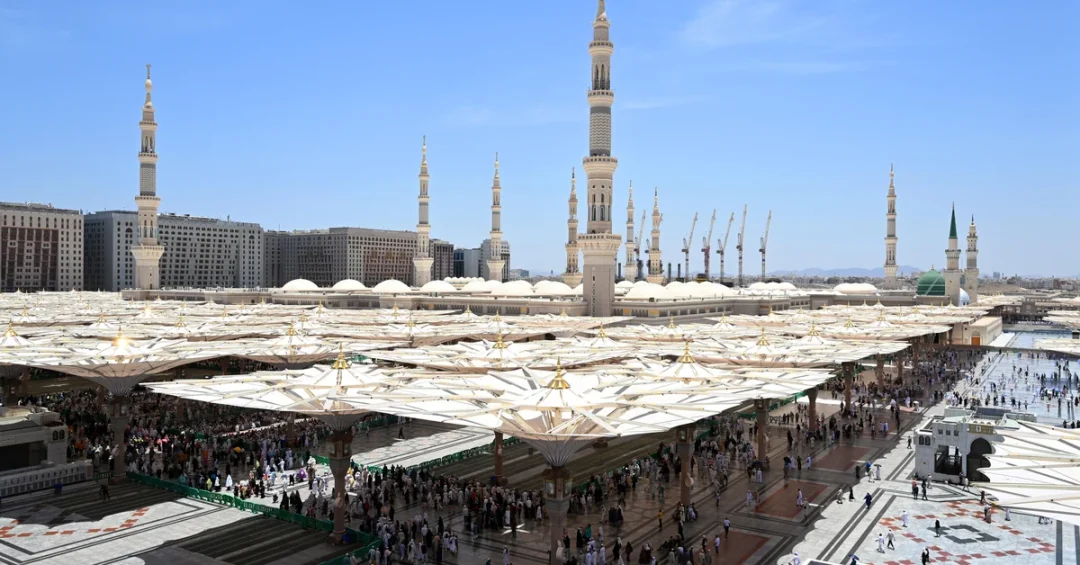
Diafat Al Madinah Association has provided more than 1.7 million field services to pilgrims and visitors at frequently visited sites in Madinah during the Hajj season this year, as announced by the association in a report released through the Saudi Press Agency on June 18, 2024. This significant achievement underscores the Kingdom’s unwavering commitment to ensuring a comfortable and memorable spiritual journey for all guests of Allah.
Context and Background
The Diafat Al Madinah Association operates under the umbrella of the Kingdom’s comprehensive hospitality and service framework, designed to support the growing number of pilgrims who visit Madinah annually. Its efforts are coordinated with relevant authorities, including reception at arrival ports and pick-up centers, distribution of meals, guidance services, and hospitality programs. These initiatives are part of a broader national strategy to elevate the pilgrim experience in line with the Kingdom’s Vision 2030, which aims to host 30 million Umrah pilgrims by 2030 and enhance the spiritual journey of all visitors.
The association’s work spans from the first season of Hajj until Dhul-Hijjah 7, with over 720 volunteer hours dedicated to the cause. This year’s services are being extended to the post-Hajj season, ensuring that the hospitality continues even after the peak period.
Key Details
During the Hajj season, the association provided 176,610 meals to pilgrims and distributed 1.80 million bottles of water as part of its Soqia (water distribution) program at designated dispatch centers. Additionally, 93,432 pilgrims benefited from the Tirhab (welcome) program, which offers a warm reception upon arrival. The association also distributed more than 10,000 umbrellas to shield pilgrims from the sun, and 260 pilgrims received clothing through the Kiswa program.
For special assistance, the Al-Mosanda program supported 29,500 elderly pilgrims and those with disabilities, while 674 pilgrims received services under the Diwaniyah Diafa (hospitality) program. The association’s comprehensive approach ensures that every pilgrim’s need is addressed, from the moment of arrival to the moment of departure.
Implications and Impact
These services significantly enhance the pilgrim experience in Madinah, contributing to the international perception of Saudi Arabia as a land of hospitality and care. The smooth coordination between the association and official bodies highlights the Kingdom’s operational efficiency and its commitment to the welfare of Muslims worldwide. The inclusion of specialized programs for vulnerable groups demonstrates a humanitarian approach that aligns with global standards of inclusive service.
The scope of these services also signals the increasing scale of annual Hajj operations, with the Kingdom continuously upgrading its infrastructure and service delivery to meet the growing number of pilgrims. This not only fulfills religious obligations but also strengthens Saudi Arabia’s position as a leading global destination for pilgrimage.
Vision 2030 Alignment
The efforts of the Diafat Al Madinah Association are a testament to the Kingdom’s Vision 2030 commitment to enrich the experience of pilgrims and visitors. By providing high-quality, organized services, the Kingdom is not only fulfilling its religious duty but also positioning itself as a model for global tourism and hospitality. As the Kingdom continues to modernize its facilities and services, initiatives like these ensure that every guest leaves with a lasting impression of peace and generosity, contributing to the realization of the ambitious goals outlined in Vision 2030.
20 Questions
Q1. What is the Diafat Al Madinah Association?
A1. The Diafat Al Madinah Association is a Saudi organization dedicated to providing services and hospitality to pilgrims and visitors in Madinah during the Hajj season. It operates with support from relevant authorities to ensure comfort.
Q2. How many services did the association provide this Hajj season?
A2. The association provided more than 1.7 million field services to pilgrims and visitors at frequently visited sites, covering various needs from meals to guidance and support.
Q3. When were these services offered?
A3. The services were provided from the beginning of the Hajj season until Dhul-Hijjah 7, with volunteer hours totaling 720. The association is also extending services into the post-Hajj season.
Q4. How many volunteer hours were dedicated?
A4. The association recorded over 720 volunteer hours during the specified period, reflecting the dedication of volunteers in serving pilgrims and visitors throughout the season.
Q5. How many meals were distributed to pilgrims?
A5. The association provided 176,610 meals to pilgrims, ensuring that they had access to nutritious food during their stay in Madinah.
Q6. What is the Soqia program?
A6. The Soqia program is an initiative to distribute water to pilgrims. In this season, the association distributed 1.80 million bottles of water to pilgrims and visitors.
Q7. How many pilgrims benefited from the Tirhab program?
A7. The Tirhab program, which welcomes pilgrims, benefited 93,432 pilgrims. It includes reception services and orientation.
Q8. What is the Tirhab program?
A8. The Tirhab program is a welcome initiative designed to receive pilgrims at entry points and pick-up centers, offering a smooth and warm arrival experience in Madinah.
Q9. How many umbrellas were distributed?
A9. The association distributed more than 10,000 umbrellas to pilgrims and visitors, providing protection from the sun during outdoor activities.
Q10. What is the Kiswa program?
A10. The Kiswa program provides clothing to pilgrims who may have lost or need new garments. In this season, 260 pilgrims benefited from this service.
Q11. How many elderly and disabled pilgrims received support?
A11. The Al-Mosندا program supported 29,500 older people and those with disabilities, ensuring they received additional care and assistance.
Q12. What is the Diwiyah Diafa program?
A12. The Diwiyah Diafa program offers hospitality services, including food and rest. A total of 674 pilgrims received these services during the season.
Q13. How does the association coordinate with authorities?
A13. The association works in partnership with relevant authorities to manage arrival ports, distribution, and other services, ensuring all is smooth.
Q14. Why is this significant for pilgrims?
A14. It enhances their experience and shows the Kingdom’s care, making the spiritual journey more comfortable and memorable.
Q15. How does this fit into Vision 2030?
A15. It aligns with Vision 2030’s goal to improve services for pilgrims and increase their numbers, fostering a supportive environment.
Q16. Are services available after Hajj?
A16. Yes, the association is preparing for the post-Hajj season to continue providing services for visitors to Madinah, ensuring ongoing care.
Q17. How does the association support pilgrim welfare?
A17. It offers meals, water, shelter, clothing, and support for vulnerable groups, all contributing to the welfare of pilgrims during their stay.
Q18. What is the scale of water distribution?
A18. They distributed 1.80 million bottles of water as part of the Soqia program, ensuring pilgrims stay hydrated.
Q19. How does the international community view these efforts?
A19. These efforts showcase Saudi Arabia’s hospitality and care for pilgrims, boosting its reputation as a welcoming and service-oriented nation.
Q20. What is the significance of the 720 volunteer hours?
A20. The 720 hours reflect the selfless dedication of volunteers, emphasizing the spirit of cooperation and community service in the Kingdom.
Reader Feedback
We value your thoughts. Please share your feedback on this article.
Your feedback helps us improve our coverage.