


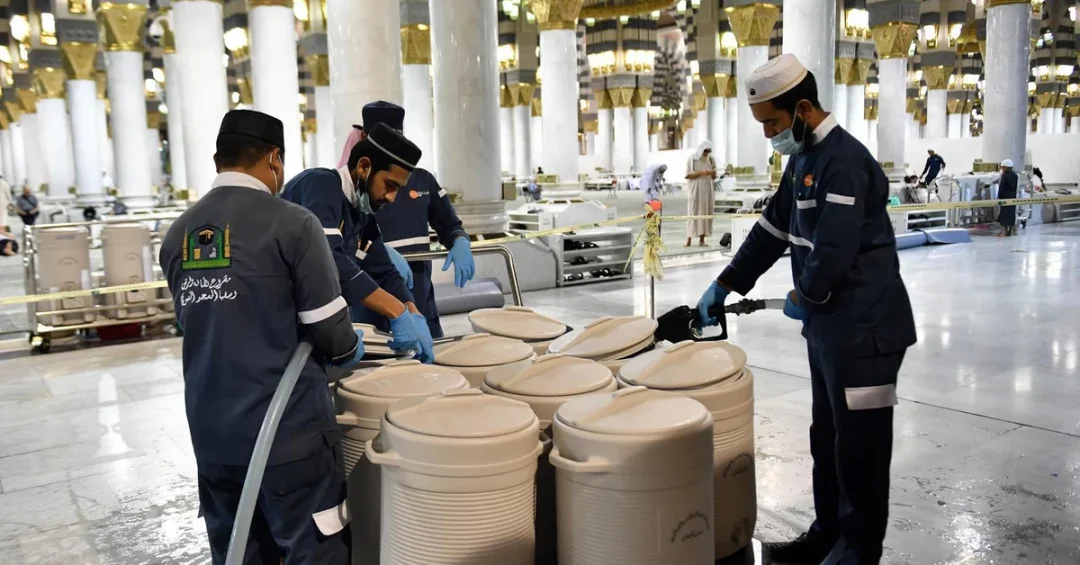
The General Authority for the Care of the Affairs of the Prophet’s Mosque in Madinah has announced comprehensive preparations to welcome pilgrims after the completion of Hajj rituals. This initiative ensures that the mosque offers a serene and safe environment for worshippers, reflecting the Kingdom’s dedication to serving Islam’s most sacred sites.
Context and Background
The Prophet’s Mosque, located in Madinah, holds immense religious significance as the second holiest site in Islam. It is a primary destination for pilgrims who often extend their journey after Hajj to offer prayers there. The General Authority for the Care of the Affairs of the Prophet’s Mosque, a government body under the Saudi leadership, oversees all operational aspects to ensure pilgrims experience comfort and tranquility.
The preparations come at the end of the annual Hajj season, aligning with Saudi Arabia’s long-standing tradition of providing world-class services to visitors. These efforts reflect the ongoing investment in infrastructure and caretaking that ensures the mosque remains accessible, clean, and ready to receive thousands of worshippers daily.
Key Details of the Preparations
The authority has implemented a multi-faceted service plan that includes laying new carpets and sanitizing all facilities. Crowd management procedures have been optimized to ease movement and access to the mosque’s various entrances and prayer areas. Additionally, specialized services are available for people with disabilities and elderly visitors, including dedicated pathways and assistance personnel.
The mosque environment is maintained through continuous sterilization and disinfection, coupled with perfuming the space and providing blessed Zamzam water to visitors. These measures are designed to promote a safe and healthy atmosphere that encourages worship and reflection. The authority’s workforce is deployed across the mosque’s courtyards and interior to ensure that every pilgrim receives immediate attention and support.
Implications and Impact
These preparations not only enhance the spiritual experience for pilgrims but also strengthen Saudi Arabia’s global reputation as a leader in hospitality and care for Islamic heritage. The smooth flow of visitors after Hajj reflects the Kingdom’s organizational excellence and its capacity to manage large-scale religious gatherings. International visitors and officials often commend Saudi efforts, further cementing the country’s role as a central hub for Islamic pilgrimage.
The initiatives also have practical economic and social implications, supporting tourism and local businesses in Madinah. As pilgrims spend time in the city, the availability of high-quality services contributes to their overall satisfaction and encourages future visits. This aligns with broader national goals to promote spiritual tourism and cultural exchange.
Vision 2030 Alignment
The preparations at the Prophet’s Mosque are a testament to Saudi Arabia’s Vision 2030, which aims to enhance the experience of pilgrims and enable more Muslims to visit the holy sites. By investing in superior facilities, innovative crowd management, and inclusive services, the Kingdom is realizing the Vision’s objective to uplift the quality of life and provide exceptional care to guests from across the world. These ongoing efforts underscore the commitment to excellence that will continue to define Saudi Arabia’s stewardship of its sacred shrines.
20 Questions
Q1. What is the General Authority for the Care of the Affairs of the Prophet’s Mosque?
A1. It is a Saudi governmental entity responsible for managing and supervising all services within the Prophet’s Mosque in Madinah, ensuring the comfort and safety of worshippers and visitors throughout the year.
Q2. Why are preparations important after the Hajj season?
A2. After Hajj, many pilgrims visit Madinah, so the mosque must be fully equipped to accommodate a large influx. Preparations ensure that facilities are clean, accessible, and orderly to provide a peaceful worship environment.
Q3. What specific services are being provided during these preparations?
A3. Services include carpet replacement, sanitation, crowd management, provision of Zamzam water, and sterilization. The mosque is also perfumed and all pathways are optimized to ease movement.
Q4. How does the authority assist visitors with disabilities and the elderly?
A4. The authority offers specialized support, including designated pathways, ramps, and trained personnel to provide aid. These services are designed to ensure full participation in worship without obstacles.
Q5. What role does the Prophet’s Mosque play in Islamic heritage?
A5. It is the second holiest site in Islam, housing the Prophet Muhammad’s tomb. Millions of pilgrims flock there for prayer and to be peace, making its maintenance a central spiritual duty.
Q6. Are there any measures to ensure the health and safety of pilgrims?
A6. Yes, the authority performs continuous sterilization and disinfection of all areas. This helps prevent the spread of disease and ensures a safe environment, especially important during peak pilgrimage periods.
Q7. How is the distribution of Zamzam water carried out?
A7. Zamzam water is distributed throughout the mosque premises in chilled containers and at designated points, allowing visitors to easily access it and maintain hydration during their worship.
Q8. What is the significance of these preparations for international visitors?
A8. International visitors benefit from a well-maintained and efficient mosque experience, which reflects positively on their perception of Saudi Arabia’s hospitality and respect for religious practices.
Q9. How does this align with Vision 2030?
A9. Vision 2030 prioritizes the success of the Hajj and Umrah experience. By enhancing service quality and infrastructure, this initiative directly supports the target of increasing the number of pilgrims and improving their satisfaction.
Q10. Are there any plans to expand the services in the mosque?
A10. The authority continually evaluates and adopts modern technologies to upgrade services, always aiming to elevate the visitor experience to the highest standards.
Q11. What technology is used in crowd management?
A11. Smart systems and surveillance are used to monitor crowd flow and guide pilgrims through specific routes, reducing congestion and ensuring orderly movement within the mosque.
Q12. How often are the carpets changed?
A12. The carpets are replaced and regularly according to a set schedule, usually before peak seasons like Hajj, to ensure cleanliness and a fresh look for worshippers.
Q13. Does the authority provide translation services?
A13. Yes, multilingual guides and signage are provided to assist non-Arabic speakers in navigating the mosque and understanding religious practices, enhancing the experience for international visitors.
Q14. What steps are taken to preserve the mosque’s historical architecture?
A14. The authority uses specialized materials and maintenance techniques that respect the historic construction, ensuring the building’s heritage is protected while modern services are integrated.
Q15. How does the authority coordinate with other government entities?
A15. The authority coordinates closely with security, health, and municipal agencies to ensure a comprehensive response to all needs, from crowd control to medical support.
Q16. Are there any cultural educational activities for visitors?
A16. The mosque also offers guided tours and educational lectures that highlight the rich history and religious significance of the site, enriching the visitor’s knowledge.
Q17. What is the overall budget for these preparations?
A17. Specific figures are not disclosed, but the Saudi government invests generously in the maintenance and services of the Haramain to ensure top-notch quality.
Q18. How do pilgrims benefit from the crowd control measures?
A18. Crowd control ensures shorter waiting times, prevents stampedes, and allows pilgrims to move comfortably, reducing stress and permitting more time for devotion.
Q19. What feedback has the authority received from pilgrims?
A19. Pilgrims consistently express appreciation for the cleanliness, organization, and care they receive, often noting the peaceful atmosphere that facilitates their prayers.
Q20. How can visitors suggest improvements?
A20. Visitors can provide feedback through the official apps and suggestion boxes located within the mosque. The authority reviews input to continually refine its services.
Reader Feedback
We value your thoughts. Please share your feedback on this article.
Your feedback helps us improve our coverage.