


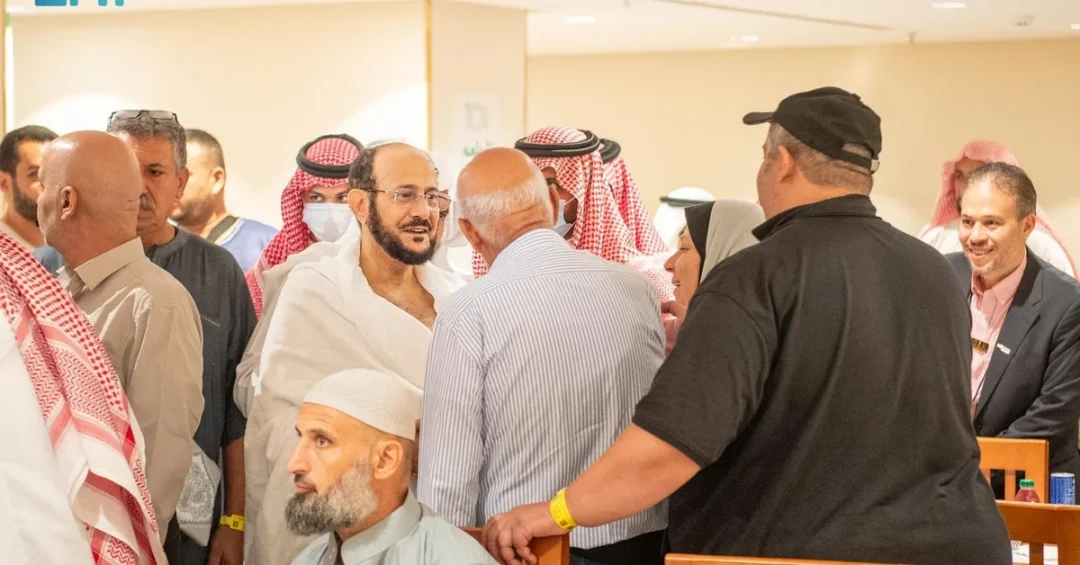
The Minister of Islamic Affairs, Call and Guidance, Sheikh Abdullatif bin Abdulaziz Al Al-Sheikh, visited the residence headquarters of the guests of the Custodian of the Two Holy Mosques Hajj Program from the families and relatives of martyrs and the wounded from Palestine in Makkah. The visit took place on June 13, 2024, according to the Saudi Press Agency (SPA), and focused on inspecting the services offered to these special guests.
Context and Background
This initiative is part of the longstanding annual program by the Custodian of the Two Holy Mosques, King Salman bin Abdulaziz Al Saud, which hosts pilgrims from around the world, particularly those who have faced hardship. The program aims to provide a complete and comfortable pilgrimage experience for Muslims who might otherwise be unable to perform Hajj. The inclusion of Palestinian families is a reflection of the Kingdom’s continuous support for the Palestinian people in times of need.
Key Details
During the visit, Sheikh Abdullatif bin Abdulaziz Al Al-Sheikh, along with accompanying officials, examined the accommodation, food, and general living conditions provided to the Palestinian guests. He ensured that all services meet the highest standards of comfort and accessibility, aligning with the Kingdom’s goal of providing all Hajj pilgrims with a fulfilling and stress-free spiritual journey.
Several guests from the State of Palestine expressed sincere gratitude to the Saudi leadership for hosting them. They appreciated the comprehensive services, including health care, dining, and religious guidance, which allowed them to perform Hajj rituals with peace and tranquility. Their thanks also extended to the Ministry of Islamic Affairs for the diligent oversight and attentive care.
Implications
This gesture reinforces Saudi Arabia’s leading role in Islamic solidarity and its commitment to humanitarian causes across the Muslim world. By extending the Hajj hospitality to Palestinian families of martyrs and the wounded, the Kingdom underscores its moral and practical support for Palestine. The international community, notably Muslim nations, may see this as a model of compassion and accountability in fulfilling religious obligations and providing aid to those affected by conflict.
Vision 2030 Alignment
The visit aligns with Saudi Vision 2030’s goals of enhancing services to pilgrims and visitors, a key pillar of the Kingdom’s transformation. The Vision emphasizes the development of the Hajj ecosystem through innovation and guest-centric services. By ensuring exceptional care for guests of the Custodian of the Two Holy Mosques, Saudi Arabia reaffirms its dedication to a legacy of service and, importantly, to fostering a sense of peace and unity among the global Muslim community.
20 Questions
Q1. What was the purpose of the Minister’s visit?
A1. The Minister of Islamic Affairs, Sheikh Abdullatif bin Abdulaziz Al Al-Sheikh, visited the residence of Palestinian Hajj guests to inspect the services and facilities provided to them, ensuring they meet the Kingdom’s high standards for pilgrimage comfort.
Q2. Which group of guests was the focus of this inspection?
A2. The guests were the families and relatives of Palestinian martyrs and wounded individuals. They were hosted under the Custodian of the Two Holy Mosques Hajj Program in Makkah.
Q3. When did the visit take place?
A3. The visit was reported on June 13, 2024, according to the Saudi Press Agency (SPA), as part of the ongoing Hajj season preparations.
Q4. What specific services did the Minister inspect?
A4. The Minister inspected accommodation, cleanliness, health care, meals, and spiritual guidance provided to the Palestinian guests, confirming that they meet the Kingdom’s rigorous quality standards.
Q5. How did the Palestinian guests respond to their stay?
A5. The guests expressed sincere gratitude and appreciation for the Kingdom’s leadership and the services provided, which allowed them to perform Hajj in comfort and with a sense of security.
Q6. What is the Custodian of the Two Holy Mosques Hajj Program?
A6. It is a charitable initiative by Saudi Arabia that sponsors pilgrims from various countries each year, covering all expenses for those who cannot otherwise undertake Hajj, including those in difficult circumstances.
Q7. Why are Palestinian families specially included?
A7. Including Palestinian families reflects Saudi Arabia’s enduring solidarity and support for the Palestinian cause, providing them with the opportunity to fulfill the religious duty of Hajj despite conflict and displacement.
Q8. What other services are typically offered to guests?
A8. The program includes flights, accommodation, meals, healthcare, and guidance, with a dedicated team to ensure the pilgrims’ comfort and spiritual fulfillment throughout their stay.
Q9. How does this visit relate to Vision 2030?
A9. It supports Vision 2030’s goal to improve the experience of pilgrims by ensuring high-quality services, which is central to making Makkah and Madinah as world-class destinations for visitors.
Q10. Which ministry is responsible for this program?
A10. The Ministry of Islamic Affairs, Call and Guidance oversees the program, managing logistics and services for the guests of the Custodian of the Two Holy Mosques.
Q11. What did the minister highlight during the inspection?
A11. The minister highlighted the importance of utmost care and quick response to any request, emphasizing that every guest should feel the Kingdom’s hospitality and care.
Q12. How many Palestinian guests were hosted in this cohort?
A12. The exact number was not disclosed, but the program hosts several hundred Palestinian guests, including families of martyrs and the wounded, each year.
Q13. How does Saudi Arabia’s Hajj program impact its international standing?
A13. It enhances Saudi Arabia’s reputation as a leader in Islamic solidarity and humanitarian service, demonstrating compassion and responsibility towards the global Muslim community.
Q14. What kind of accommodation do the guests receive?
A14. Guests are accommodated in well-equipped residences near the holy sites, with facilities including accessible rooms, food courts, and prayer areas, all managed by experienced staff.
Q15. Are there any health services provided?
A15. Yes, a dedicated medical team is available around the clock, including doctors, nurses, and emergency services, to ensure the well-being of all pilgrims.
Q16. How did the guests express their gratitude?
A16. They expressed sincere words of thanks to the Saudi leadership and the Ministry, acknowledging the excellent treatment and generous assistance they received during their pilgrimage.
Q17. Does this program extend to other nationalities?
A17. Yes, the program hosts guests from multiple countries, including conflict-affected zones, to ease their ability to perform Hajj under the Saudi King’s patronage.
Q18. What improvements have been made in recent years?
A18. There have been improvements in accommodation quality, digital registration, and service integration, aiming to offer pilgrims a smoother and more comfortable experience.
Q19. How is the success of this program measured?
A19. Success is measured through guest satisfaction surveys, feedback, and the smooth running of logistics and health indicators, ensuring all needs are met.
Q20. What is the takeaway from this visit?
A20. The visit confirms Saudi Arabia’s continuous commitment to its religious duty and humanitarian role, ensuring that all pilgrims, including Palestinians, receive the highest care and respect.
Reader Feedback
We value your thoughts. Please share your feedback on this article.
Your feedback helps us improve our coverage.