


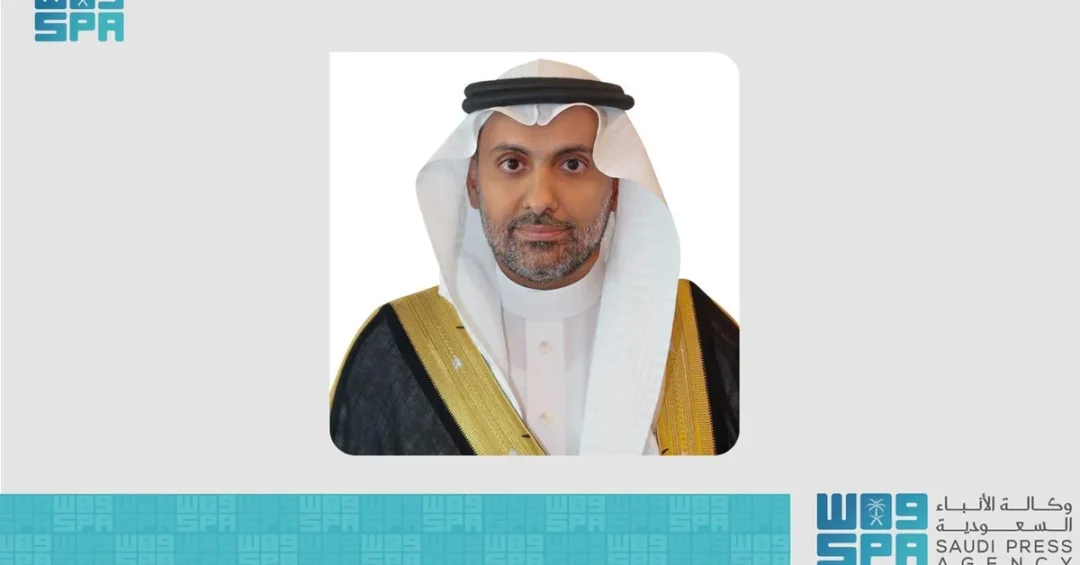
Minister of Health Fahd bin Abdulrahman Al-Jalajel conducted comprehensive inspection tours across the holy sites on Thursday, June 13, 2024, to ensure the full readiness of medical facilities serving pilgrims during Hajj season 1445 AH. The visit underscores Saudi Arabia’s unwavering commitment to providing the highest quality healthcare to all pilgrims, a key component of the Kingdom’s role as a host of the annual pilgrimage.
Context and Background
The annual Hajj pilgrimage draws millions of Muslims from around the world to the holy sites in and around Makkah. Managing the health and safety of such a large gathering requires extensive coordination and preparation across multiple government agencies. The Ministry of Health, under the leadership of Minister Al-Jalajel, has been deploying a comprehensive health system to accommodate the needs of pilgrims, including emergency care, primary health clinics, and specialized hospital services.
The inspection tour is part of a series of readiness checks conducted by Saudi authorities in the weeks leading up to Hajj. By visiting key medical hubs, the Minister aimed to directly verify that staffing, medical equipment, pharmaceuticals, and facility preparedness meet the highest international standards. This proactive approach is typical of the Kingdom’s meticulous planning, which has historically ensured the health and safety of pilgrims.
Key Details
During his tours, the Minister visited several prominent medical institutions, including King Abdulaziz Hospital, King Faisal Specialist Hospital, Al-Noor Specialist Hospital, King Abdullah Medical City, and facilities run by National Guard Medical Services and Ministry of Interior Medical Services. He also inspected the urgent care track, which is part of the modern healthcare model being implemented, as well as private sector pharmacy tracks and key sites like Mina Al-Jisr Hospital, Mina Al-Sharaa Al-Jadeed Hospital, and several health centers.
The Minister emphasized the need for medical teams to deliver exemplary care and hospitality, reflecting the Kingdom’s esteemed status. He urged all healthcare professionals and staff to accurately identify and meet the diverse needs of pilgrims, underscoring the importance of quality services that align with the spirit of the pilgrimage.
International Impact
The comprehensive preparations signal Saudi Arabia’s efficiency and capability to manage global public health challenges. For the international community, it reassures that pilgrims from all countries will have access to high-standard medical care. The multi-agency collaboration—including the Ministry of Health, Ministry of Interior, and National Guard—serves as a model for public health planning during mass gatherings. Furthermore, such robust preparation enhances the Kingdom’s standing as a regional leader in health security and emergency management.
Vision 2030 Alignment
Ensuring the health and comfort of pilgrims directly supports Saudi Arabia’s strategic goals under Vision 2030. The plan highlights the importance of enhancing the hospitality and services offered to the two holy mosques and their visitors. By modernizing the health sector and focusing on digital and quality care, the Ministry is aligning with the Vision’s objective to offer a diversified and innovation-driven healthcare system. This inspection tour is a reflection of the Kingdom’s commitment to continuously improving the pilgrim experience while strengthening its global leadership in humanitarian care and medical excellence.
20 Questions
Q1. What is the purpose of the Health Minister’s inspection of the holy sites?
A1. The purpose is to ensure the health facilities and medical teams are fully prepared and equipped to provide high-quality care to pilgrims during the upcoming Hajj season. It is a standard readiness check by Saudi authorities to guarantee safety.
Q2. Which hospitals were visited during the inspection?
A2. The Minister visited several key hospitals, including King Abdulaziz Hospital, King Faisal Specialist Hospital, Al-Noor Specialist Hospital, and King Abdullah Medical City, among others in the holy sites.
Q3. Why is health sector readiness crucial for Hajj?
A3. Readiness is crucial because millions of pilgrims gather in a confined space, increasing the risk of communicable diseases, heat-related illnesses, and injuries. A prepared health system ensures immediate response and effective care.
Q4. What role do medical services play during the pilgrimage?
A4. They provide essential care, emergency treatment, and health education, ensuring pilgrims can perform their rituals safely and with dignity, thereby enhancing the overall pilgrimage experience.
Q5. How does the Ministry of Health coordinate with other agencies for Hajj?
A5. The Ministry works with the National Guard Medical Services, Ministry of Interior, and private sector to create a seamless network of care, with clear referral pathways and shared protocols for emergency management.
Q6. What is the modern health care model track?
A6. The modern health care model track is an initiative introduced by the Ministry of Health, focusing on integrated, patient-centered care with a strong emphasis on using technology and digital tools to improve efficiency and outcomes.
Q7. What challenges are unique to providing health care during Hajj?
A7. Unique challenges include extreme heat, high crowd density, and a diverse international patient population with varied medical histories, requiring careful planning and versatile medical support.
Q8. How does the health sector ensure the quality of services for pilgrims?
A8. Through rigorous inspections, staff training, continuous quality improvement programs, and post-visit audits, the sector ensures services meet high standards and adapts to emerging needs.
Q9. What is the role of the private sector in healthcare for pilgrims?
A9. The private sector contributes through pharmacy chains, clinics, and specialized services, broadening the availability of medical supplies and expanding access to care, thus supporting the overall health infrastructure.
Q10. How does the health system maintain dignity for pilgrims?
A10. The system emphasizes culturally sensitive care, ensuring communication in multiple languages, respect for privacy, and attention to spiritual needs during treatment, reflecting the Kingdom’s hospitality.
Q11. What kind of medical staff are deployed?
A11. A multidisciplinary team of physicians, nurses, technicians, and support staff are deployed, including specialists in emergency medicine, cardiology, and primary care, to handle any event.
Q12. What happened during the inspection at Mina Al-Jisr Hospital?
A12. The Minister inspected the hospital’s facility readiness, including patient wards, emergency units, and supply chains, ensuring that the staff were prepared to receive pilgrims in that high-density area.
Q13. What is the importance of health education for pilgrims?
A13. Health education helps pilgrims prevent heat-related illnesses, manage chronic conditions, and follow hygiene practices, reducing the overall burden on medical services and ensuring a safer pilgrimage.
Q14. How has technology improved healthcare for pilgrims?
A14. Technology enhances data sharing, telemedicine consultations, electronic health records, and real-time monitoring, allowing quicker diagnosis and better tracking of health trends during the pilgrimage.
Q15. What does the minister’s message to medical staff imply?
A15. His message underscores the need for compassion, accountability, and round-the-clock availability, emphasizing that they serve as custodians of the pilgrims’ health and the Kingdom’s reputation.
Q16. How does this tour contribute to Saudi Arabia’s Vision 2030?
A16. It contributes by strengthening the health care ecosystem, improving quality of life, and positioning the Kingdom as a leader in global health preparedness, directly aligned with Vision 2030 goals.
Q17. Are there specific measures for heat and the desert climate?
A17. Yes, the Ministry deploys hydration stations, shaded areas, air-conditioned emergency zones, and protocols for heat stroke management, and these measures are part of standard Hajj health planning.
Q18. How do hospitals manage emergency surges during Hajj?
A18. Hospitals use prepared surge capacity plans, triage systems, and mobile medical teams to handle peaks in demand. They also coordinate with ambulance networks for quick transport.
Q19. What role do volunteers play in supporting health services?
A19. Volunteers support the medical staff by guiding pilgrims, assisting in first aid, and providing non-clinical support, freeing up professionals to focus on critical care. Their contribution is vital.
Q20. What is the significance of the private sector pharmacies track?
A20. The track ensures that pharmacies are operational, well-stocked, and accessible throughout the holy sites, enabling pilgrims to obtain prescription medications and over-the-counter items conveniently.
Reader Feedback
We value your thoughts. Please share your feedback on this article.
Your feedback helps us improve our coverage.