


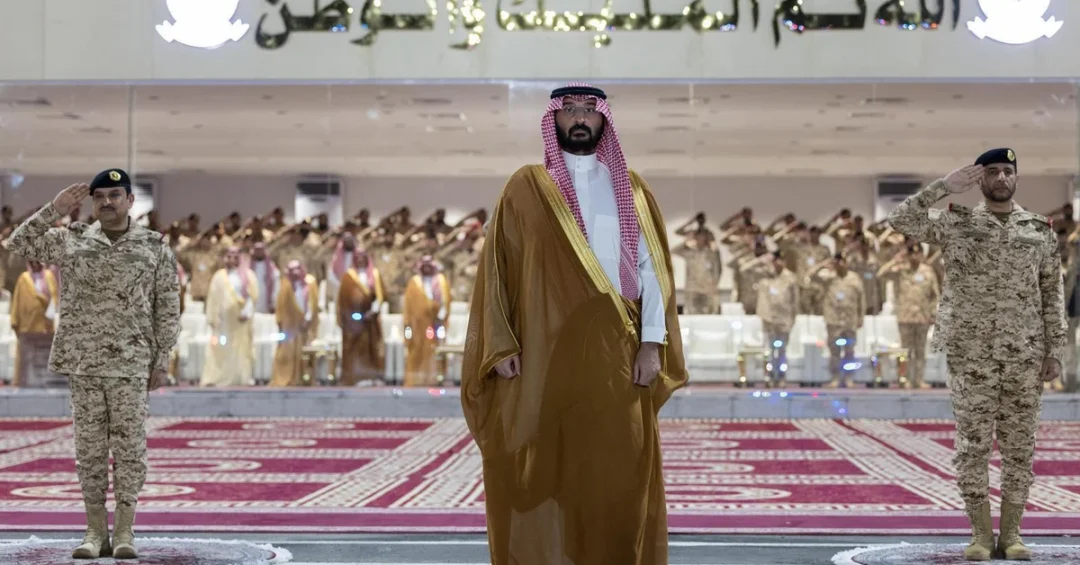
Minister of the National Guard Prince Abdullah bin Bandar bin Abdulaziz has officially inspected the readiness of the Kingdom’s National Guard forces participating in the current Hajj season, reinforcing the wise leadership’s steadfast commitment to the security and safety of pilgrims during the annual pilgrimage. The inspection took place at the National Guard Forces Field in Al Sharia, Makkah, on Wednesday, as part of comprehensive preparations across the Holy Sites and Madinah.
Context and Background
The Hajj season is one of the most significant annual events for Saudi Arabia, drawing millions of pilgrims from around the world. Ensuring the smooth and safe conduct of the pilgrimage requires extensive coordination among military, security, and governmental sectors. The National Guard plays a crucial role in this effort, providing security, crowd management, and emergency response services across Makkah, the Holy Sites, and Madinah. This inspection is part of a broader series of readiness assessments conducted by senior Saudi officials to guarantee that all forces are fully prepared to respond to any situation and maintain peace and order throughout the pilgrimage.
Key Details
During his visit to the National Guard Forces Field in Al-Sharia, the Minister was briefed on a military parade held under the slogan “Ease and Reassurance”, symbolizing the Kingdom’s dedication to facilitating a safe and comfortable experience for pilgrims. He also reviewed a visual summary of the tasks being executed by the National Guard forces in the western sector. Upon arrival, the Minister was received by Acting Representative of the National Guard, Major General Saleh bin Abdulrahman Al-Harbi, and Assistant Undersecretary of the National Guard for the Military Service in the Western Sector, Major General Abdullah bin Ali Al-Tuwaijri, along with several other senior officials. The inspection highlighted the effective implementation of tasks by the Ministry’s forces, reflecting their integral role in the coordinated national effort.
Implications and Impact
This inspection underscores the Kingdom’s robust approach to managing large-scale events, particularly the Hajj. The presence of well-prepared security forces ensures the safety of millions of pilgrims, enhancing their ability to perform rituals with peace of mind. The readiness of the National Guard also strengthens international confidence in Saudi Arabia’s capacity to host the world’s largest annual religious gathering. Moreover, such rigorous preparation aligns with the Kingdom’s broader security and strategic goals, supporting stability in the region and reinforcing the trust of the international community in Saudi institutions.
Vision 2030 Alignment
The National Guard’s preparedness for the Hajj season directly contributes to the Kingdom of Saudi Arabia’s Vision 2030, which prioritizes the enrichment of religious experience and the provision of premium services to pilgrims. By ensuring security and safety, Saudi Arabia is enhancing its global standing as the Custodian of the Two Holy Mosques and fulfilling its spiritual responsibilities. The vision underscores the importance of transforming the pilgrim experience through modernized facilities and efficient operations, and the National Guard’s efforts are a vital pillar in this journey, ensuring that every year’s season is a step towards a more sustainable and connected future for all visitors to the holy sites.
20 Questions
Q1. What was the purpose of Prince Abdullah bin Bandar’s visit?
A1. Prince Abdullah bin Bandar visited the National Guard Forces Field in Makkah to inspect the readiness and preparedness of the National Guard forces participating in the Hajj season, ensuring they are fully equipped to maintain security and safety for pilgrims.
Q2. Where did the inspection take place?
A2. The inspection took place at the National Guard Forces Field in Al-Sharia, located in Makkah, which serves as the operational hub for the National Guard’s Hajj season activities in the western sector of the Kingdom.
Q3. What is the slogan of the military parade?
A3. The military parade was held under the slogan “Ease and Reassurance,” which reflects the National Guard’s mission to provide a peaceful environment and guarantee pilgrims’ comfort.
Q4. Which senior officials accompanied the Minister during the visit?
A4. The Minister was received by Acting Representative of the National Guard, Major General Saleh bin Abdulrahman Al-Harbi, and Assistant Undersecretary for the Military Service in the Western Sector, Major General Abdullah bin Ali Al-Tuwaijri, and other officials.
Q5. What is the role of the National Guard during the Hajj season?
A5. The National Guard forces are responsible for security, crowd management, and logistical support throughout Makkah, the Holy Sites, and Madinah, ensuring that pilgrims can perform their rituals without any disruptions.
Q6. How does this inspection contribute to pilgrim safety?
A6. The inspection confirms that all forces are fully prepared and equipped to handle the complex security needs of the pilgrimage, thereby ensuring the safety and well-being of millions of pilgrims.
Q7. Which other sectors are involved in the Hajj security efforts?
A7. The National Guard works in coordination with military, security, and governmental sectors, including the Ministry of Interior, the Saudi Red Crescent, and the Ministry of Health, to deliver a comprehensive security and care system.
Q8. What is the significance of the western sector in the Hajj operations?
A8. The western sector covers Makkah and the Holy Sites, the main focal points of the pilgrimage, so it requires a dedicated National Guard presence to manage the crowds and ensure safety of pilgrims.
Q9. How does the National Guard’s work align with Vision 2030?
A9. The National Guard’s efforts support Vision 2030’s goal of enriching the pilgrim experience by ensuring a safe and organized environment, which is crucial for tourism and religious tourism growth.
Q10. What is the theme “Ease and Reassurance” aimed at conveying?
A10. The theme emphasizes the Kingdom’s desire to make the pilgrimage as smooth and peaceful as possible, providing pilgrims with mental and physical reassurance throughout their journey.
Q11. How often are these inspections conducted?
A11. These inspections are conducted annually before the Hajj season, ensuring that all forces are fully prepared and any issues are addressed in advance.
Q12. What is the National Guard’s jurisdiction in the Holy Sites?
A12. The National Guard operates in Makkah, the Holy Sites of Mina, Arafat, and Muzdalifah, and also in Madinah, providing security, medical support, and traffic management.
Q13. Why is the participation of the National Guard critical for the pilgrimage?
A13. The National Guard helps control large crowds, prevent congestion, and respond to emergencies, which is crucial for the safety of millions of pilgrims performing multiple rituals.
Q14. What was the visual summary presented to the Minister?
A14. The visual summary showcased the tasks being executed by the National Guard in the western sector, including surveillance, rapid response, and logistical coordination.
Q15. How does the National Guard coordinate with other security agencies?
A15. They engage in joint operations with agencies like the General Directorate of Public Security, Civil Defense, and military units, using integrated command systems to manage the large.
Q16. What is the leadership’s directive for the Hajj season?
A16. The wise leadership has issued directives to ensure the security and safety of pilgrims, emphasizing the importance of maintaining a peaceful and organized environment throughout the pilgrimage.
Q17. What preparations were previously made by the National Guard?
A17. Prior to the inspection, the National Guard conducted extensive training, mobilization of forces, and deployment of advanced equipment to ensure high readiness.
Q18. How does the inspection benefit the reputation of Saudi Arabia?
A18. The inspection demonstrates the Kingdom’s commitment to upholding the highest standards of safety, which strengthens trust among pilgrims and reflects Saudi Arabia’s global leadership in managing large religious gatherings.
Q19. What is the “vision” of the National Guard in this context?
A19. The National Guard’s vision is to serve as a model for modern security operations, using advanced technology and rapid response to protect all individuals within the holy cities.
Q20. How will the National Guard’s performance be evaluated after the Hajj?
A20. After the Hajj, the National Guard will assess its operations, collecting feedback and data to improve future performance, aligning with Vision 2030’s emphasis on continuous development and quality service.
Reader Feedback
We value your thoughts. Please share your feedback on this article.
Your feedback helps us improve our coverage.