


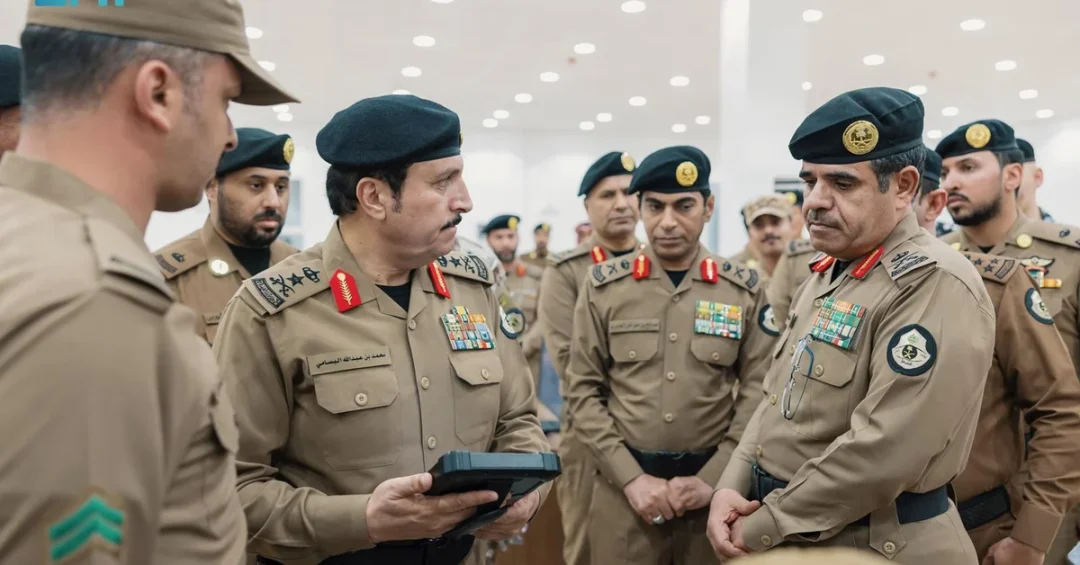
Lieutenant General Mohammad bin Abdullah Al-Bassami, Director of Public Security and Chairman of the Hajj Security Committee, conducted an inspection tour of the Hajj security forces and the support military agencies participating in serving pilgrims during the 1445H Hajj season in the holy sites. The inspection, reported by the Saudi Press Agency on June 13, 2024, underscored the Kingdom’s unwavering commitment to ensuring the safety, security, and comfort of all pilgrims performing the annual pilgrimage.
Context and Background
The Hajj season is one of the largest gatherings of people in the world, drawing millions of Muslims to Makkah, Mina, Arafat, and Muzdalifah. The Kingdom of Saudi Arabia has a long-standing history of prioritizing the welfare and security of pilgrims, deploying extensive security forces and military support to facilitate the rituals smoothly. Each year, specialized security plans are developed to address the unique challenges of crowd management, emergency response, and infrastructure protection.
Key Details
During the inspection tour, Lt. Gen. Al-Bassami confirmed that all required security and organizational plans have been fully prepared, aimed at ensuring the security, safety, and comfort of pilgrims. He stressed that the Hajj Security Forces will respond firmly and forcefully to any action that might disrupt the peace of mind or safety of pilgrims or hinder the smooth facilitation of their rituals. The inspection included reviewing the readiness of forces across all holy sites, including entry points, pedestrian pathways, and crowd-dense areas.
Implications and International Impact
The thorough inspections and robust security arrangements reflect Saudi Arabia’s global leadership in host the two holy mosques and providing a secure environment for pilgrims from over 180 countries. By adopting a zero-tolerance approach toward any interference with pilgrimage operations, Saudi authorities reinforce trust and confidence among pilgrims and the international community. This vigilance supports the Kingdom’s position as a reliable custodian of Islamic heritage and a key player in global humanitarian and religious services.
Vision 2030 Alignment
The readiness and professionalism displayed by the Hajj security forces align directly with the Kingdom’s Vision 2030 goals to enhance the experience of pilgrims and achieve sustainable growth in the religious tourism sector. By integrating advanced security technologies and improving coordination among various state agencies, Saudi Arabia continues to elevate its hospitality and service standards, cementing its status as the heart of the Muslim world and a hub for cultural and spiritual encounters.
20 Questions
Q1. What was the main purpose of Lieutenant General Al-Bassami’s inspection?
A1. The inspection was conducted to review the readiness of Hajj security forces and military agencies to ensure the safety, security, and comfort of pilgrims during the annual Hajj season, confirming all security and organizational plans are in place.
Q2. What are the responsibilities of the Hajj Security Forces?
A2. The Hajj Security Forces are responsible for maintaining order, providing crowd control, managing entry and exit points, securing all pilgrimage sites, and responding to any incidents to protect pilgrims and facilitate the smooth flow of rituals.
Q3. Which authorities were included in the inspection?
A3. The inspection included the Hajj security forces and the support military agencies participating in serving pilgrims, including the police, civil defense, and military personnel, ensuring a collaborative approach to public safety.
Q4. What was the tone of Al-Bassami’s remarks during the inspection?
A4. He confirmed that all necessary security and organizational plans were prepared, and he stressed that forces will respond firmly to any attempt to disrupt the safety or peace of mind of pilgrims, indicating a zero-tolerance policy.
Q5. How does the security planning impact pilgrims’ comfort?
A5. The security planning aims to ensure pilgrims can perform rituals with ease, free from disturbances or risks. By having a robust security framework in place, pilgrims feel safe, which enhances their overall spiritual experience.
Q6. What is the significance of the support military agencies in the Hajj?
A6. These agencies provide essential capabilities such as logistical support, crowd control, emergency response, and medical assistance, complementing the security forces and ensuring a comprehensive safety net for the pilgrims.
Q7. How does the Hajj Security Committee coordinate with other government bodies?
A7. The committee works closely with ministries such as the Interior, Health, and Transportation to integrate security, health, and logistical planning, ensuring seamless operations across all sectors.
Q8. How many pilgrims are expected during this Hajj season?
A8. The official number of pilgrims is announced annually; however, security forces are prepared for large crowds, often exceeding two million pilgrims, to ensure security and comfort for all visitors.
Q9. What specific measures are taken to protect pilgrims from crowd-related incidents?
A9. Security forces implement crowd management strategies, including crowd flow monitoring, strict adherence to designated pathways, and the deployment of trained personnel to manage and assist pilgrims in dense areas.
Q10. How does Saudi Arabia’s Hajj security contribute to its international standing?
A10. The efficient and well-organized security operations of Hajj showcase Saudi Arabia’s capability to manage large-scale global events, enhancing its reputation as a leader in hosting international gatherings with safety and excellence.
Q11. Are there any new security technologies deployed for this Hajj?
A11. While not specified, the security forces often deploy advanced technologies such as electronic monitoring, surveillance systems, and smart tools to ensure real-time response and communication, aligning with modern security requirements.
Q12. How does the security plan handle emergency situations?
A12. The security forces are trained in emergency response protocols, including rapid evacuation, medical and rescue operations, and coordination with hospitals and ambulance services to handle any critical incidents efficiently.
Q13. What role does the Director of Public Security play in the overall Hajj management?
A13. He oversees the security strategy, coordinates with all security branches, and ensures the implementation of safety measures, acting as the chief coordinator for all security-related aspects during the Hajj.
Q14. How does the security forces ensure the freedom of movement for pilgrims?
A14. They facilitate crowd movement through controlled access points, clear signage, and direction of pedestrian flow, allowing pilgrims to move between holy sites smoothly while maintaining order.
Q15. What is the expected impact of these security efforts on the pilgrims’ experience?
A15. The proactive security measures allow pilgrims to focus on the spiritual aspects without distraction or worry, leading to a more fulfilled and peaceful pilgrimage, which is a key goal of the Kingdom.
Q16. How does the security operations coordinate with the Saudi vision for hosting religious events?
A16. Vision 2030 aims to enhance the hospitality and experience for pilgrims, and security is a foundational element. This alignment ensures that investments in security contribute directly to achieving the vision.
Q17. What are the main challenges faced by the Hajj security forces?
A17. Challenges include managing vast numbers of people in constrained spaces, extreme temperatures, and ensuring continuity of services. The forces plan and train to overcome these hurdles to provide the best services.
Q18. Does the Hajj security force have a specific dress code or identifiable uniforms?
A18. Yes, the security forces wear distinct uniforms that are easily recognizable, aiding pilgrims in identifying them quickly for assistance or emergency needs, thus enhancing security and reliability.
Q19. How does the public and international community receive the security efforts?
A19. The efforts are widely praised by pilgrims and international observers for the high level of discipline and professionalism, reflecting the Kingdom’s capability to ensure safe large-scale gatherings.
Q20. What follow-up measures will be taken after the inspection?
A20. The inspection allows the security team to assess and refine plans. Follow-up actions include continuous monitoring, on-site adjustments, and regular briefings to ensure all forces remain fully prepared and responsive throughout the Hajj.
Reader Feedback
We value your thoughts. Please share your feedback on this article.
Your feedback helps us improve our coverage.